



Classifier
An AI classifier is a machine learning algorithm that assigns class labels to input data, categorizing information into predefined classes based on learned patt...
10 min read
AI
Classifier
+3
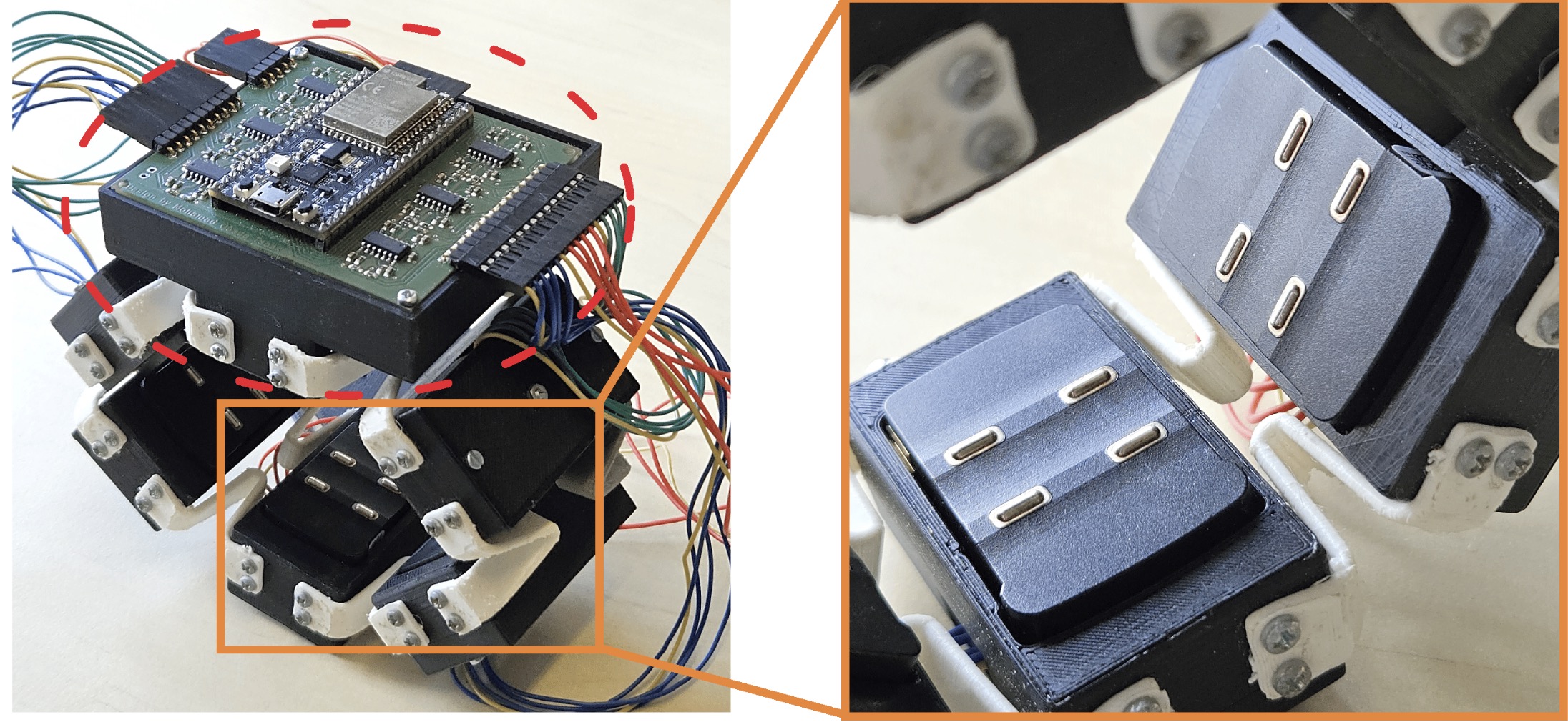
Explore how AI intent classification powers chatbots, customer support, and sales by identifying user intentions using advanced NLP and machine learning models.
AI intent classification, also known as intent recognition or intent detection, is a key technique in natural language processing bridges human-computer interaction. Discover its key aspects, workings, and applications today!") (NLP). It involves figuring out the intention or purpose behind what a user inputs, whether through text or speech. This process helps machines understand and respond correctly to human language, improving interactions between users and machines.
Intent classification works by examining the input data and sorting it into predefined intent categories. These categories represent specific actions or goals the user wants to achieve. For example, if a user types “I want to book a flight,” the system can place this input under the “booking” intent.
Main components of intent classification:
Intent classification is widely used in conversational AI systems like chatbots and virtual assistants to understand user queries and provide suitable responses, improving customer experience.
In customer service, intent classification helps categorize and route customer inquiries to the right support team, ensuring quick and accurate help. Search engines and content recommendation systems use it to improve search results and personalization by understanding user intent from queries.
Overall, AI intent classification is foundational in modern AI applications, boosting efficiency and enhancing user experience across fields.
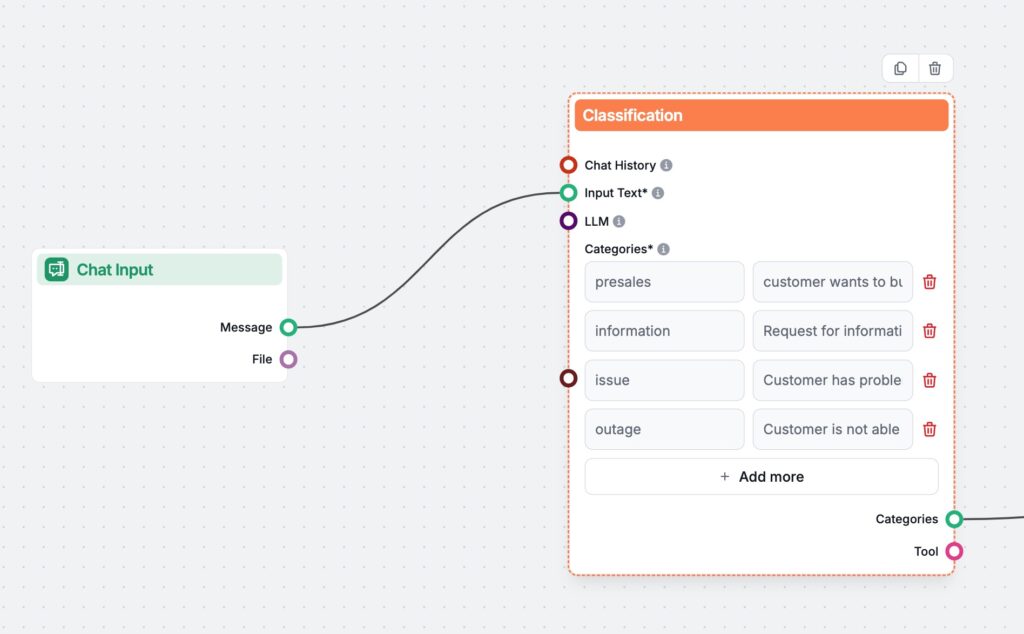
Text classification with FlowHunt. The diagram above illustrates the concept of intent classification in AI flow, showcasing how different user inputs are mapped to specific intents using clustering techniques based on LLM call. This visual representation helps in understanding how AI systems can distinguish between varying intent categories, thus enhancing their interaction capabilities.
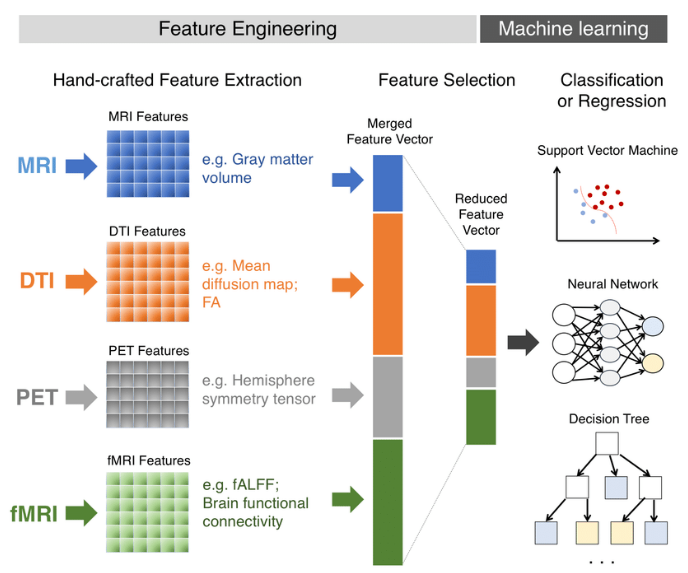
Machine learning algorithms are crucial for intent classification. They learn from large data sets to make accurate predictions. These algorithms can generalize from specific examples, allowing them to manage new data effectively. In intent classification, models are trained on labeled datasets to spot patterns indicating different intents.
AI intent classification is a technology that has transformed many industries by helping systems understand and sort user intentions accurately. Key applications include:
Improvements in NLP and machine learning are leading to more advanced, accurate, and context-aware applications. As the technology grows, its use will expand, bringing further improvements to different sectors.

Start your free trial today and see results within days.
Intent classification is core to modern AI and especially NLP, enabling systems to identify, sort, and predict user needs from written or spoken input.
NLP bridges human-computer interaction. Discover its key aspects, workings, and applications today!") helps machines understand, interpret, and respond to human language. NLP includes:
It uses rule-based systems, statistical methods, and neural machine learning techniques to analyze large text datasets, find patterns, and predict intentions.
Machine learning algorithms allow systems to learn from large datasets and make accurate predictions. In intent classification, models are trained on labeled data to spot intent patterns. Common techniques:
Mathematical optimization and data mining improve their accuracy for intent classification.
AI intent classification is advancing rapidly, driven by key trends:
Adding emotional intelligence to AI lets systems recognize and respond to human emotions, improving interactions—especially in customer service and healthcare.
Predictive AI enables systems to anticipate user needs and offer proactive solutions. This is vital in e-commerce and finance for predicting consumer behavior and market trends.
Multimodal AI processes and combines different data types—text, images, and audio—simultaneously, providing detailed understanding of user intent, essential for complex settings like autonomous vehicles and smart homes.
Smaller, efficient models like OpenAI’s GPT-4 Mini and Apple’s On-Device models provide strong performance with minimal computational resources—ideal for mobile and edge devices.
Open-source AI encourages innovation and collaboration, giving developers and researchers free access to tools, fostering transparency and accelerating progress.
AI intent classification methods are transforming technology and setting the stage for future innovations that will provide more personalized, efficient, and fair solutions.
Get latest tips, trends, and deals for free.
Intent classification is critical for chatbots, virtual assistants, and customer service systems, but faces several challenges:
Natural language is ambiguous—words/phrases can have multiple meanings (e.g., “bank” as a financial institution or riverbank). Systems must use contextual understanding and word sense disambiguation to clarify meanings.
Users express intentions differently (e.g., “buy,” “purchase,” “order” for acquiring a product). Models must learn from diverse inputs to handle this variability and classify intents accurately.
Specialized vocabulary and industry terms can reduce model accuracy. Training on domain-specific datasets helps models better understand unique vocabulary and expressions.
Real-time applications (chatbots, assistants) require low latency for smooth experiences. Algorithms must be optimized for speed and scalability.
Bias in training data can lead to unfair results. Transparency is vital—users should know how their data is used and how decisions are made. Addressing these issues builds trust and fairness.
By addressing these challenges, AI intent classification systems become more robust and provide better user experiences.
AI intent classification is progressing through new methods that combine different data types and advanced machine learning. Recent research shows that using multiple sensing methods together improves accuracy and reliability.
For example, a study of a bracelet using both force myography and surface electromyography sensors found that combining these sensors enhanced hand gesture identification—reducing errors versus single-sensor approaches. This is key for making AI (such as robotics and prosthetics) more intuitive and responsive.
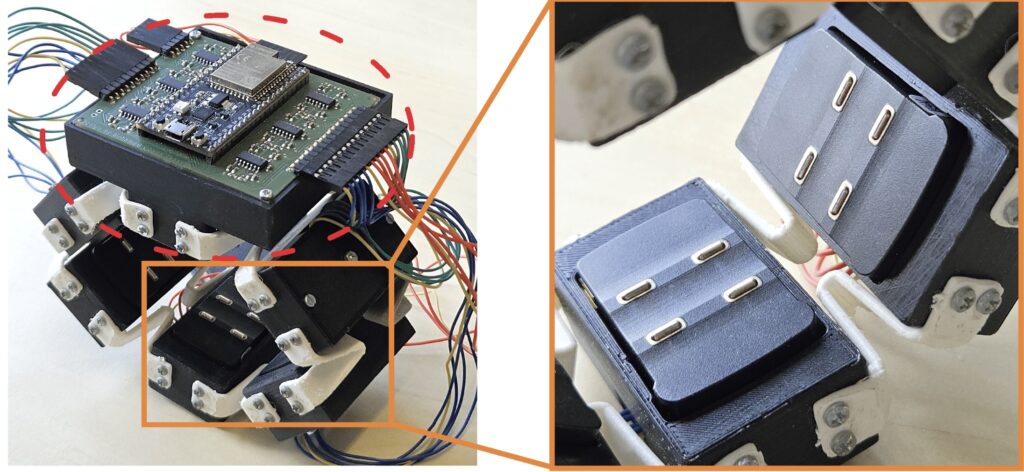
Sensing new types of signals can improve intent classification dramatically.
Image Source: A Multimodal Bracelet to Acquire Muscular Activity and Gyroscopic Data to Study Sensor Fusion for Intent Detection – MDPI
The development of Attention-Based Variational Autoencoders is also advancing AI’s ability to understand and anticipate human intentions, inspired by how humans naturally interpret each other’s actions. This enables AI systems to handle complex tasks and fit smoothly into human environments.
Looking ahead, there will be a stronger focus on ethical, safe, and reliable AI that aligns with human values—ensuring systems are dependable and capable of understanding complex intentions in diverse situations.
Viktor Zeman is a co-owner of QualityUnit. Even after 20 years of leading the company, he remains primarily a software engineer, specializing in AI, programmatic SEO, and backend development. He has contributed to numerous projects, including LiveAgent, PostAffiliatePro, FlowHunt, UrlsLab, and many others.

Smart Chatbots and AI tools under one roof. Connect intuitive blocks to turn your ideas into automated Flows.
An AI classifier is a machine learning algorithm that assigns class labels to input data, categorizing information into predefined classes based on learned patt...
Text classification, also known as text categorization or text tagging, is a core NLP task that assigns predefined categories to text documents. It organizes an...
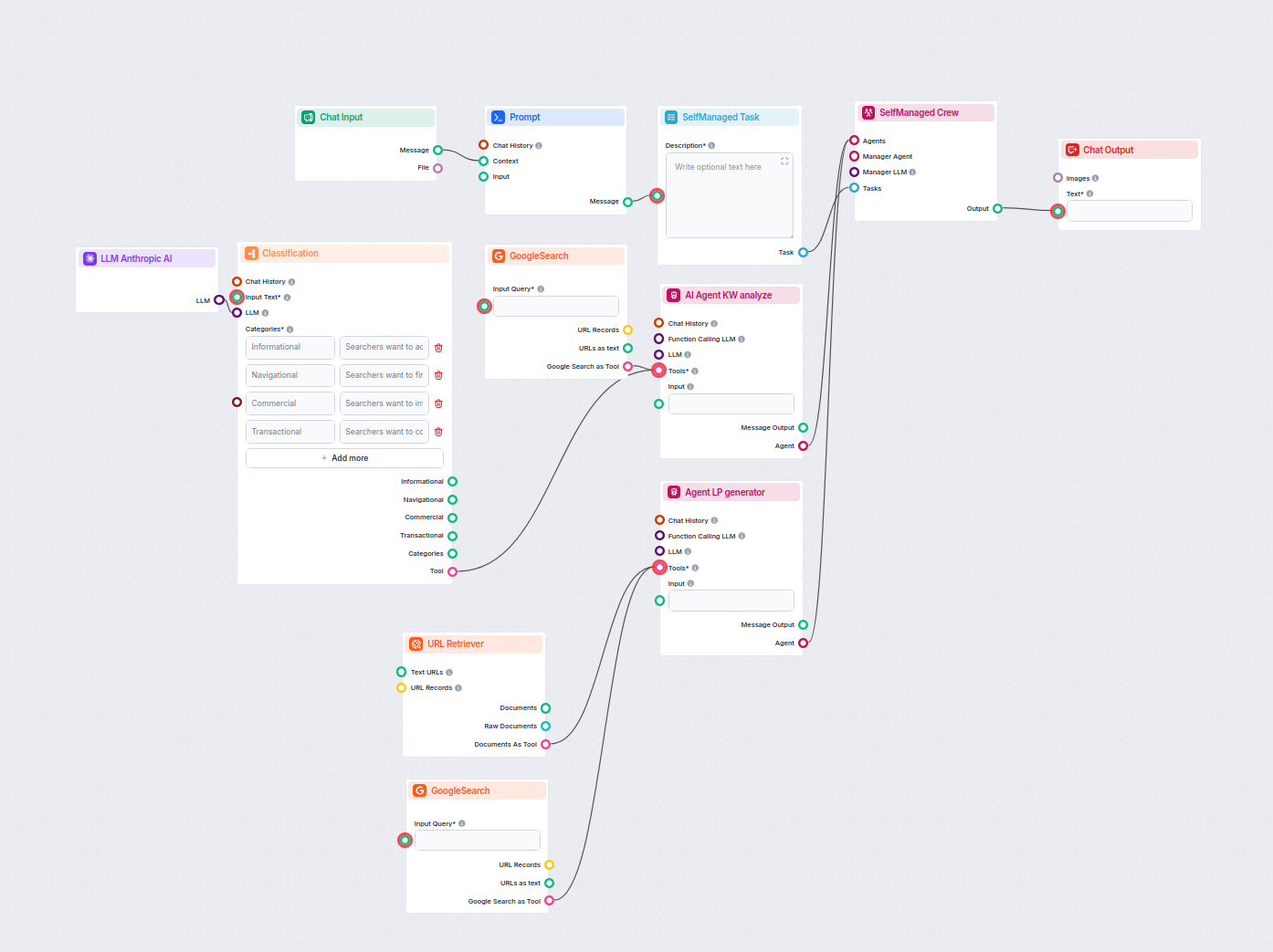
This AI-powered workflow classifies search queries by intent, researches top-ranking URLs, and generates a highly optimized landing page for PPC and SEO campaig...
Cookie Consent
We use cookies to enhance your browsing experience and analyze our traffic. See our privacy policy.