


GPT-4.1: Performance Analysis Across Standard AI Tasks
OpenAI’s GPT-4.1 marks a major leap in AI performance. This article analyzes its strengths and limitations across five core AI tasks—content generation, mathema...
6 min read
AI
GPT-4.1
+8

A comprehensive analysis of OpenAI’s GPT-4.1 Nano, evaluating its strengths, limitations, and speed across five key tasks including content generation, calculations, summarization, comparison, and creative writing.
When asked to create comprehensive content about project management fundamentals, GPT-4.1 Nano employed an impressive iterative research methodology.
The model demonstrated a sophisticated information-gathering strategy:
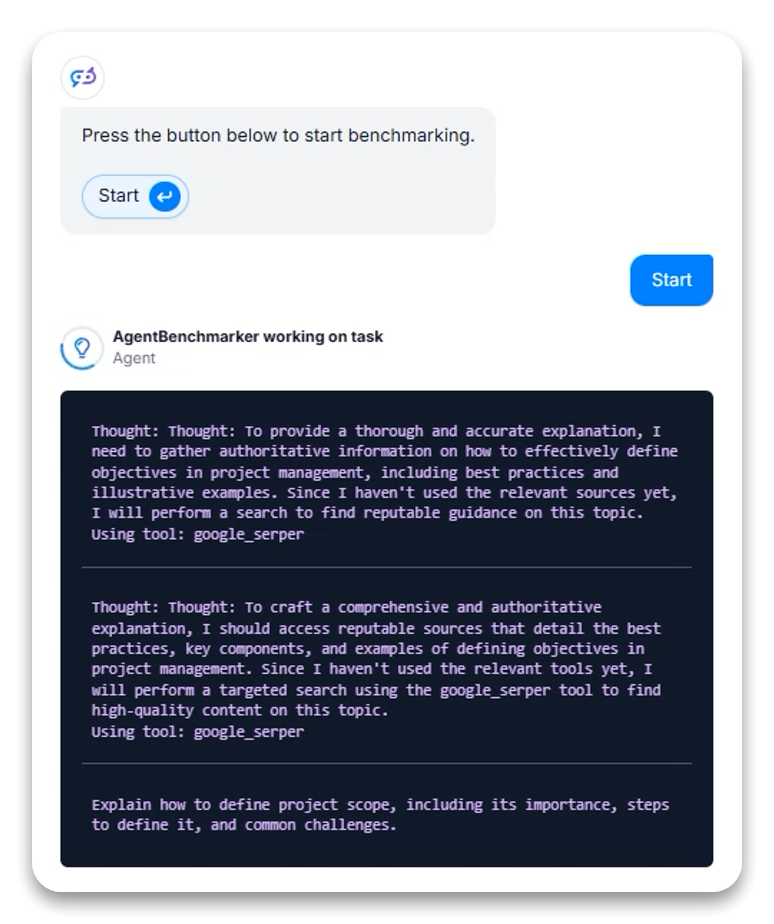
When the scope expanded from just “defining objectives” to include project scope and delegation, the model seamlessly adapted, gathering additional information for each new component without losing focus.
The final article (815 words) was well-structured with:
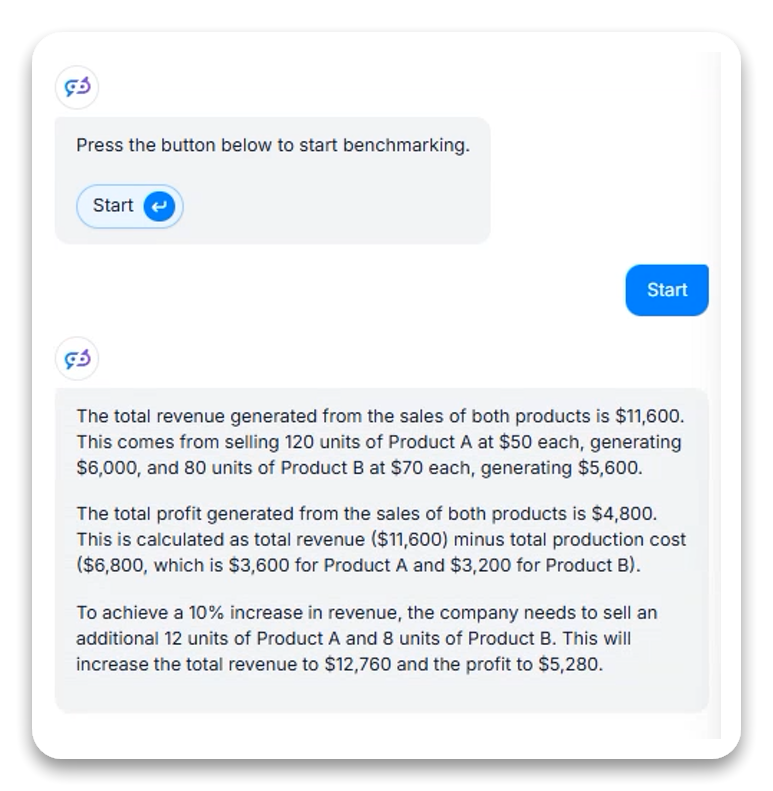
For this quantitative reasoning task, GPT-4.1 Nano demonstrated strong mathematical capabilities without requiring external tools.
The model:
The response was presented in clear, easily understood paragraphs that:

Start your free trial today and see results within days.
When tasked with summarizing a complex technical article about OpenAI’s o1 models, GPT-4.1 Nano demonstrated exceptional information distillation skills.
The model:
The 99-word summary successfully:
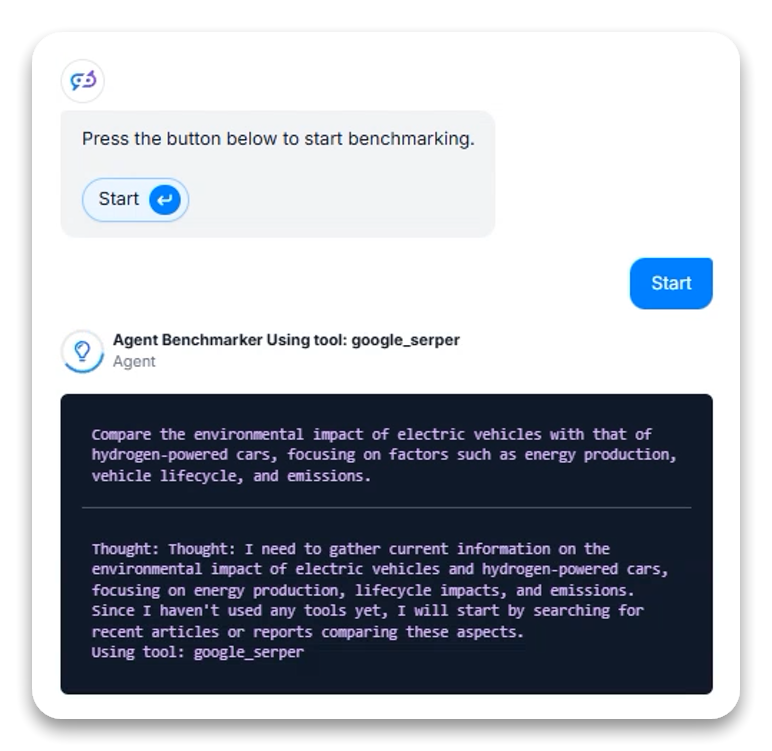
For this analytical comparison task, GPT-4.1 Nano needed to compare electric and hydrogen-powered vehicles across multiple dimensions.
The model employed a straightforward research strategy:
The comparison (295 words) effectively:
Get latest tips, trends, and deals for free.
The final task assessed GPT-4.1 Nano’s creative abilities through a futuristic narrative about a world dominated by electric vehicles.
Without using external research tools, the model:
The narrative (418 words) effectively:
GPT-4.1 Nano demonstrates impressive versatility across diverse task types, with particular strengths in:
Areas for potential improvement include:
The model performs particularly well on structured tasks with clear parameters, with the calculation task showing the highest efficiency. For creative and analytical tasks, GPT-4.1 Nano maintains strong quality while requiring minimal processing time.
This analysis suggests that GPT-4.1 Nano represents a powerful option for applications requiring versatility across diverse task types with an emphasis on efficiency and accuracy.
Arshia is an AI Workflow Engineer at FlowHunt. With a background in computer science and a passion for AI, he specializes in creating efficient workflows that integrate AI tools into everyday tasks, enhancing productivity and creativity.

Discover how you can use FlowHunt to build AI solutions with smart chatbots and automation tools—no coding required.
OpenAI’s GPT-4.1 marks a major leap in AI performance. This article analyzes its strengths and limitations across five core AI tasks—content generation, mathema...

An in-depth analysis of Meta's Llama 4 Scout AI model performance across five diverse tasks, revealing impressive capabilities in content generation, calculatio...

Discover how Google's Gemini 2.0 Flash-Lite performs across content creation, calculations, summarization, and creative tasks. Our in-depth analysis reveals imp...
Cookie Consent
We use cookies to enhance your browsing experience and analyze our traffic. See our privacy policy.