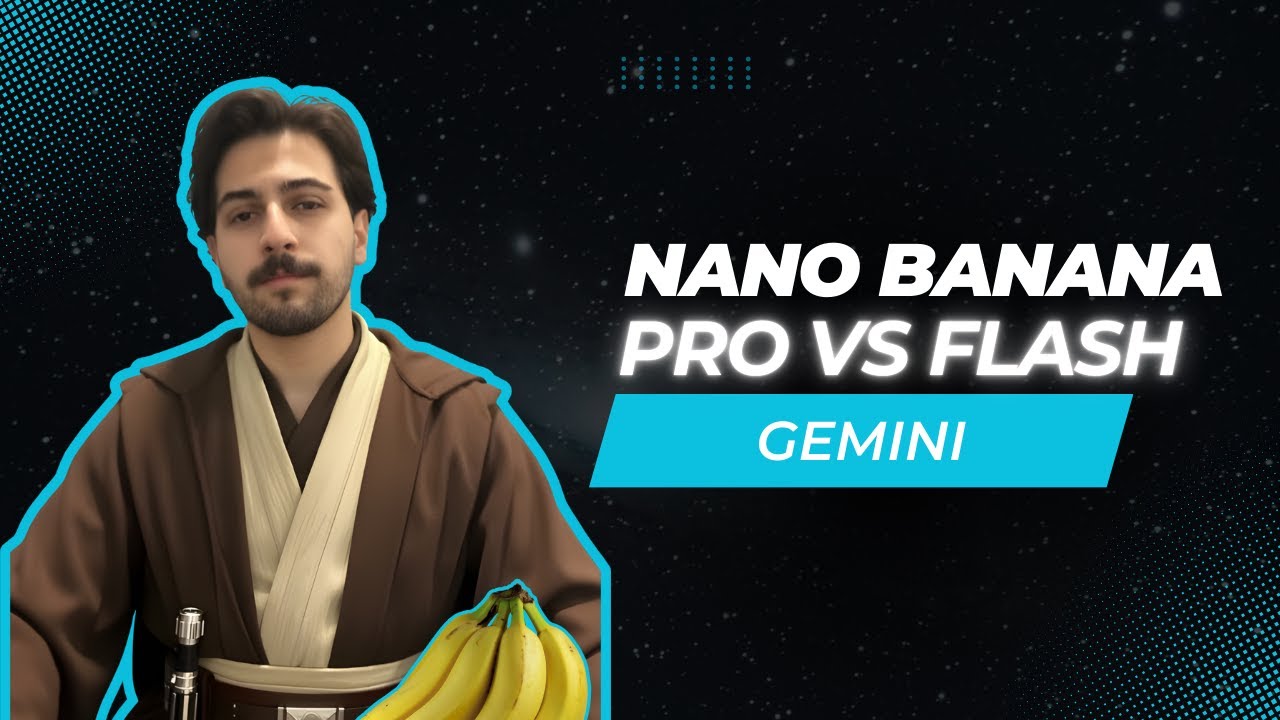
Nano Banana Pro vs Nano Banana Flash: The Complete AI Image Generation Comparison Guide
Discover the key differences between Nano Banana Pro and Nano Banana Flash AI image generation models. Learn which model delivers superior realism, detail, and value for your creative projects.
Artificial intelligence has revolutionized creative workflows, and image generation stands at the forefront of this transformation. Among the most powerful tools available today are Nano Banana Flash and Nano Banana Pro—two advanced AI models that have captured the attention of designers, content creators, and digital artists worldwide. While both models deliver impressive results, they differ significantly in quality, detail, and overall realism. Understanding these differences is crucial for anyone looking to maximize their creative output and investment in AI-powered image generation.
What is AI Image Generation and Why It Matters
Artificial intelligence image generation has fundamentally changed how creators approach visual content production. Rather than spending hours in design software or hiring expensive photographers and editors, creators can now describe their vision in text and have AI models generate photorealistic images in seconds. This democratization of visual content creation has opened doors for entrepreneurs, marketers, and artists who previously lacked the resources or technical skills to produce professional-quality imagery.
The technology behind these models relies on sophisticated neural networks trained on billions of images. These networks learn to understand the relationship between text descriptions and visual elements, allowing them to generate entirely new images based on detailed prompts. The quality of output depends heavily on the underlying model architecture, training data, and the sophistication of the generation algorithm. This is where models like Nano Banana Pro and Nano Banana Flash differentiate themselves—they represent different tiers of capability within the AI image generation landscape.
Ready to grow your business?
Start your free trial today and see results within days.
Why Choosing the Right AI Image Model Impacts Your Workflow
Selecting the appropriate AI image generation model is not merely a technical decision—it directly affects your creative efficiency, production costs, and final output quality. When you choose a model that doesn’t quite meet your needs, you end up spending additional time refining prompts, regenerating images, and making manual adjustments in post-production. This iterative process compounds costs and delays project timelines. Conversely, investing in a more capable model like Nano Banana Pro can streamline your entire workflow, reduce the number of generations needed, and ultimately deliver better results faster.
The choice between models also reflects your specific use case. Are you generating quick concept sketches for brainstorming? A standard model may suffice. Are you creating final-delivery assets for commercial projects where photorealism and intricate detail are non-negotiable? A premium model becomes essential. Understanding your requirements and matching them to the right tool is the foundation of efficient AI-powered creative work.
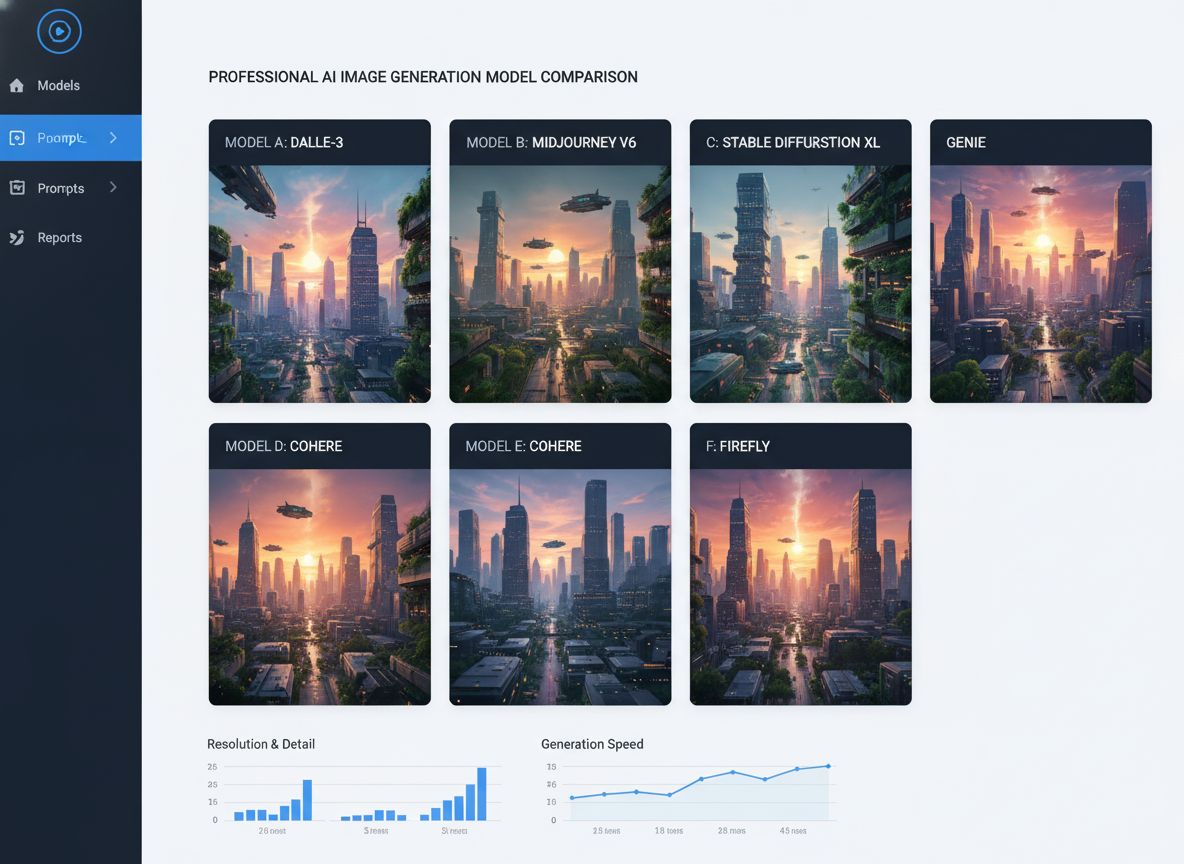
Nano Banana Flash vs Nano Banana Pro: Feature Comparison
To help you make an informed decision, here’s a detailed comparison of the key characteristics of both models:
Feature
Nano Banana Flash
Nano Banana Pro
Detail Level
Good, but noticeable AI artifacts
Exceptional, photorealistic detail
Skin Texture Rendering
Smooth, lacks pores and imperfections
Highly detailed with visible pores and texture
Reference Image Understanding
Adequate recognition
Superior subject recognition and accuracy
Lighting and Atmosphere
Standard implementation
Advanced volumetric effects and ray tracing
Text Rendering in Images
Occasional errors or inconsistencies
Accurate text and typography
Iterative Refinement Needed
Often requires multiple generations
Typically achieves desired results in 1-2 attempts
Cost per Generation
Lower per-image cost
Higher per-image cost
Long-term Value
Higher total cost due to iterations
Lower total cost despite higher per-image price
Best Use Case
Concept art, quick drafts
Commercial projects, final deliverables
Join our newsletter
Get latest tips, trends, and deals for free.
Understanding the Quality Difference: Real-World Examples
The distinction between Nano Banana Flash and Nano Banana Pro becomes immediately apparent when examining side-by-side comparisons using identical prompts. Consider a detailed prompt requesting a character holding a glowing lightsaber with specific lighting conditions, dramatic atmosphere, and photorealistic quality. With Nano Banana Flash, the output is competent—the character is recognizable, the lightsaber is properly positioned, and the overall composition works. However, upon closer inspection, you notice the skin appears too smooth, lacking the natural imperfections that make human skin appear realistic. The clothing lacks weathering or texture variation. The background, while present, feels somewhat generic.
In contrast, Nano Banana Pro generates an image that immediately commands attention. The skin displays visible pores, subtle variations in tone, and realistic moisture that suggests perspiration or environmental conditions. Clothing shows appropriate wear, wrinkles, and material-specific texture. The background integrates seamlessly with the subject, featuring atmospheric effects like volumetric fog and proper light scattering. Most impressively, any text elements—logos, sponsorships, or labels—render with perfect accuracy, whereas standard models often struggle with text generation.
This quality gap becomes even more pronounced when using reference images. Nano Banana Pro demonstrates remarkable ability to recognize and understand reference subjects. When provided with a reference photo of a person from a different angle or lower resolution, the model comprehends the subject’s identity and generates new images that maintain accurate facial features, proportions, and distinctive characteristics while applying the requested modifications and styling.
FlowHunt’s Integration of Nano Banana Pro: Streamlining Your Creative Process
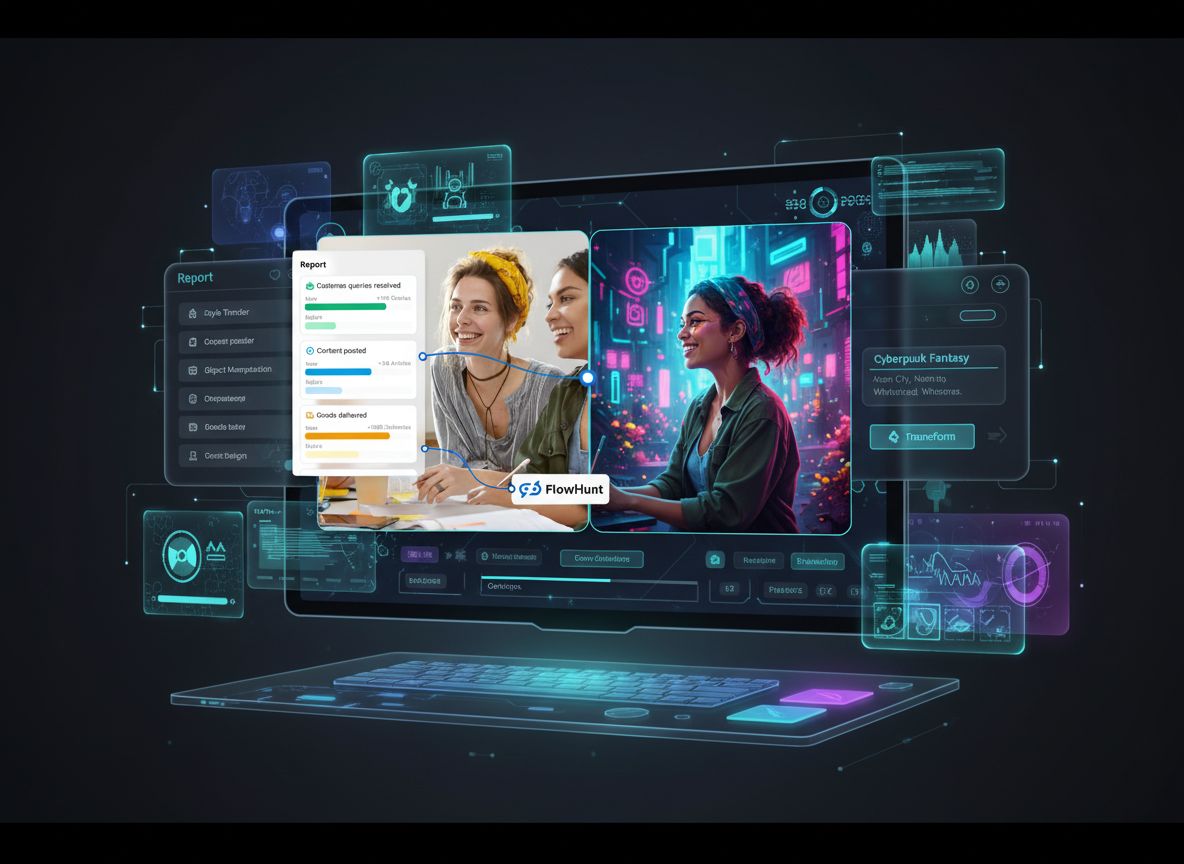
FlowHunt has recognized the transformative potential of Nano Banana Pro and integrated it directly into the Photomatic AI platform. This integration means you no longer need to juggle multiple tools or services—you can access advanced image generation capabilities alongside your other AI-powered workflows within a unified environment. The seamless integration eliminates friction in your creative process, allowing you to move from concept to final asset without context switching or managing separate accounts and subscriptions.
By incorporating Nano Banana Pro into FlowHunt’s ecosystem, users gain access to:
Unified workflow management where image generation integrates with content creation, research, and publishing tools
Consistent quality standards across all AI-generated assets within your projects
Simplified access to advanced models without managing multiple platform subscriptions
Cost efficiency through FlowHunt’s subscription model, which provides access to Nano Banana Pro at a fraction of standalone pricing
Seamless collaboration features that allow teams to share, iterate on, and refine generated images within the platform
This integration exemplifies how FlowHunt positions itself as a comprehensive solution for modern creative and marketing teams, eliminating the fragmentation that typically characterizes AI tool adoption.
Advanced Prompting Techniques for Maximum Realism
The difference between mediocre and exceptional AI-generated images often comes down to prompting technique. While Nano Banana Pro is more forgiving and produces better results with basic prompts, leveraging advanced prompting strategies unlocks its full potential. The most effective prompts include specific, technical details that guide the model toward photorealistic output.
Camera and Lens Specifications: Instead of simply requesting a “realistic photo,” specify exact camera equipment. For example: “shot on Sony A7R IV with 85mm lens, f/1.8 aperture” or “Fujifilm XT20 with cropped sensor, 35mm lens, f/0.95.” This specificity trains the model to replicate the exact optical characteristics and aesthetic of professional photography equipment, resulting in images that look like they were captured by skilled photographers using high-end gear.
Skin and Texture Details: For human subjects, explicitly request skin texture elements: “highly detailed skin texture with visible pores, subtle imperfections, soft surface scattering, and natural moisture on skin.” This prevents the common AI artifact of unnaturally smooth, plastic-looking skin that immediately signals artificial generation.
Lighting and Atmospheric Effects: Describe lighting conditions with precision: “dramatic red object source lighting with volumetric fog, rim lighting, dark moody atmosphere, cinematic lighting with ray tracing and reflections.” These technical terms guide the model to implement sophisticated lighting effects that enhance realism.
Quality Modifiers: Include quality-focused language such as “masterpiece, best quality, 8K resolution, ultra HD, highly detailed.” These modifiers consistently improve output quality across AI image generation models.
Contextual Details: Rather than generic descriptions, provide specific context. Instead of “person in action,” try “person in combat stance with fierce intensity, gripping object with both hands, dynamic pose.” Specificity helps the model generate more compelling and detailed compositions.
Real-World Application: Formula 1 Victory Scene Generation
A practical example demonstrates Nano Banana Pro’s capabilities in complex, multi-element scenarios. Consider generating an image of a Formula 1 driver standing victoriously over a competitor’s damaged car. This prompt requires the model to:
Accurately render a specific person’s facial features and physique
Generate realistic racing attire with accurate sponsorship logos and branding
Create a damaged Formula 1 car with correct aerodynamic elements, team colors, and sponsor logos
Render fine details like carbon fiber texture, tire wear patterns, and helmet design
Compose all elements into a coherent, dramatic scene with appropriate lighting
With Nano Banana Flash, the result is recognizable but imperfect. Sponsorship logos may be garbled or inconsistent. The car’s details lack precision. The overall image reads as “AI-generated” to a discerning eye.
With Nano Banana Pro, the output is stunning. Every sponsorship logo is rendered perfectly. The car’s aerodynamic elements are accurate, including the distinctive design of the team’s current season livery. The driver’s racing suit displays correct sponsor placement. The damaged McLaren shows realistic carbon fiber fractures and material deformation. The tire texture appears authentic, showing the wear patterns expected after a competitive race. The overall image is so convincing that it could easily be mistaken for professional photography or high-end digital art created by a skilled human artist.
This level of detail and accuracy is not merely aesthetic—it’s functional. For marketing teams, content creators, and designers, this quality difference means the difference between assets that require significant post-production work and assets that are ready for immediate deployment.
Supercharge Your Workflow with FlowHunt
Experience how FlowHunt automates your AI content and SEO workflows — from research and content generation to publishing and analytics — all in one place. Access Nano Banana Pro and other advanced AI models through our unified platform.
Cost-Benefit Analysis: Why Nano Banana Pro Delivers Better ROI
At first glance, Nano Banana Pro appears more expensive than Nano Banana Flash. However, a deeper analysis reveals that Pro delivers superior return on investment when you factor in the total cost of ownership. This calculation includes not just the per-image generation cost, but also the time and resources spent on iterative refinement.
Consider a typical workflow: You generate an image with Nano Banana Flash, review it, and determine it needs adjustments. Perhaps the skin texture isn’t realistic enough, or the lighting doesn’t match your vision. You modify your prompt and regenerate. This process repeats two, three, or even four times before you achieve acceptable results. Each iteration costs money and consumes time. Over a month of regular image generation, these costs accumulate significantly.
In contrast, Nano Banana Pro often delivers acceptable or excellent results on the first or second attempt. The superior model architecture and training mean fewer iterations are necessary. While each individual generation costs more, the total number of generations required is substantially lower. For a creator generating dozens or hundreds of images monthly, this efficiency compounds into meaningful cost savings.
Beyond direct financial considerations, there’s the value of time. Creative professionals understand that time is their most precious resource. Nano Banana Pro respects that resource by delivering results faster, with fewer refinement cycles. This efficiency translates to faster project completion, quicker time-to-market for content, and the ability to take on more projects within the same timeframe.
Imperfections as Realism: The Secret to Photorealistic AI Images
One counterintuitive insight from advanced AI image generation is that imperfections enhance realism. This principle contradicts the instinct that “perfect” images look better. In reality, human perception recognizes photorealistic images partly through the presence of subtle imperfections—skin pores, minor blemishes, dust particles, slight color variations, and environmental wear.
Nano Banana Pro excels at incorporating these elements. When you request “skin texture with visible pores” or “moisture on skin,” the model doesn’t just add generic texture—it understands that real skin has variation, that moisture creates subtle reflections, and that imperfections are markers of authenticity. Similarly, when generating objects or environments, Pro includes appropriate wear, weathering, and environmental interaction that signals realism.
This principle extends to clothing, materials, and backgrounds. A perfectly clean, pristine image often reads as artificial because real-world photography captures dust, wrinkles, minor damage, and environmental interaction. Nano Banana Pro’s superior understanding of these nuances allows it to generate images that feel authentic because they incorporate the subtle imperfections that characterize real photography.
Conclusion: Making Your Choice
The decision between Nano Banana Flash and Nano Banana Pro ultimately depends on your specific needs, budget, and quality requirements. For rapid prototyping, concept exploration, and internal brainstorming, Nano Banana Flash provides excellent value and sufficient quality. For commercial projects, final deliverables, and scenarios where photorealism is non-negotiable, Nano Banana Pro is the clear choice.
The integration of Nano Banana Pro into FlowHunt’s platform democratizes access to this powerful technology, making it available to teams and creators who previously couldn’t justify the cost of premium AI image generation services. By combining Nano Banana Pro with FlowHunt’s comprehensive workflow automation, content creation, and publishing capabilities, you gain a competitive advantage in speed, quality, and efficiency.
The future of creative work is increasingly AI-augmented. The question is not whether to adopt these tools, but which tools to adopt and how to integrate them into your workflow. Nano Banana Pro, accessed through FlowHunt, represents a significant step forward in making professional-quality AI image generation accessible, affordable, and integrated into your existing creative processes. For teams serious about leveraging AI to enhance their creative output, this combination offers compelling value and measurable competitive advantage.
Frequently asked questions
What is the main difference between Nano Banana Pro and Nano Banana Flash?
Nano Banana Pro delivers significantly higher detail, realism, and texture quality compared to Nano Banana Flash. While Pro is slightly more expensive, it requires fewer iterations to achieve desired results, making it more cost-effective long-term.
Can I use Nano Banana Pro with reference images?
Yes, Nano Banana Pro excels at understanding and incorporating reference images. It can recognize subjects (like specific people or objects) from reference photos and generate highly detailed variations while maintaining accuracy.
What prompting techniques improve Nano Banana Pro's output quality?
Include specific camera details (model, lens, aperture), mention skin texture and pores for human subjects, specify lighting conditions, add quality modifiers like '8K resolution' and 'masterpiece,' and describe atmospheric elements like volumetric fog or ray tracing.
Is Nano Banana Pro worth the extra cost?
Yes, Nano Banana Pro is worth the investment because it produces superior results on the first attempt, reducing the need for multiple iterations. This efficiency makes it more economical than repeatedly regenerating images with standard models.
Arshia is an AI Workflow Engineer at FlowHunt. With a background in computer science and a passion for AI, he specializes in creating efficient workflows that integrate AI tools into everyday tasks, enhancing productivity and creativity.
Arshia Kahani
AI Workflow Engineer
Transform Your Creative Workflow with FlowHunt
Access advanced AI image generation models like Nano Banana Pro directly through FlowHunt's integrated Photomatic AI platform. Generate stunning, photorealistic images with precision control.
How to Use Nano Banana in AI Studio & FlowHunt: Complete Guide to AI-Powered Image Editing
Learn how to leverage Google's Nano Banana model for free through AI Studio and integrate it with FlowHunt for professional image generation and editing with ex...
Comprehensive comparison of leading AI image generation models including Qwen ImageEdit Plus, Nano Banana, GPT Image 1, and Seadream. Discover which model excel...
Google Gemini 2.5 Flash: AI Image Generation Revolution
Explore how Google's Gemini 2.5 Flash image model is transforming creative industries with advanced image editing, 3D extraction, photo restoration, and AI-powe...
18 min read
AI
Image Generation
+3
Cookie Consent We use cookies to enhance your browsing experience and analyze our traffic. See our privacy policy.