



LangChain
LangChain je open-source rámec pro vývoj aplikací poháněných velkými jazykovými modely (LLM), který zjednodušuje integraci výkonných LLM, jako jsou GPT-3.5 a GP...
2 min čtení
LangChain
LLM
+4
LangChain je výkonný, ale příliš složitý? Zde jsou 8 nejlepších alternativ LangChain v roce 2026 — od bezplatformních tvůrců AI agentů až po štíhlejší Python frameworky — seřazené pro vývojáře a týmy, které chtějí výsledky rychleji.
Zde je porovnání nejlepších alternativ LangChain v roce 2026:
| Nástroj | Typ | Nejlepší pro | Vyžaduje Python | Vlastní hosting | Cena |
|---|---|---|---|---|---|
| FlowHunt | Platforma bez kódu | Kompletní platforma agentů, nejrychlejší čas k produkci | Ne | Ne | Bezplatná úroveň + spotřeba |
| LlamaIndex | Python framework | RAG, agenti s velkým množstvím dokumentů | Ano | N/A | Zdarma (OSS) |
| Dify | Nízký kód + OSS | Vizuální LLMOps, vlastní hosting | Volitelně | Ano | Zdarma/cloud |
| Flowise | Vizuální + OSS | Toky LangChain bez kódu | Ne | Ano | Zdarma/cloud |
| CrewAI | Python framework | Systémy vícenásobných agentů na základě rolí | Ano | N/A | Zdarma (OSS) |
| AutoGen | Python framework | Konverzační vícenásobní agenti | Ano | N/A | Zdarma (OSS) |
| Haystack | Python framework | Produkční NLP/RAG pipeline | Ano | N/A | Zdarma (OSS) |
| Semantic Kernel | SDK (.NET/Python/Java) | Podnikový ekosystém Microsoft | Ano | N/A | Zdarma (OSS) |
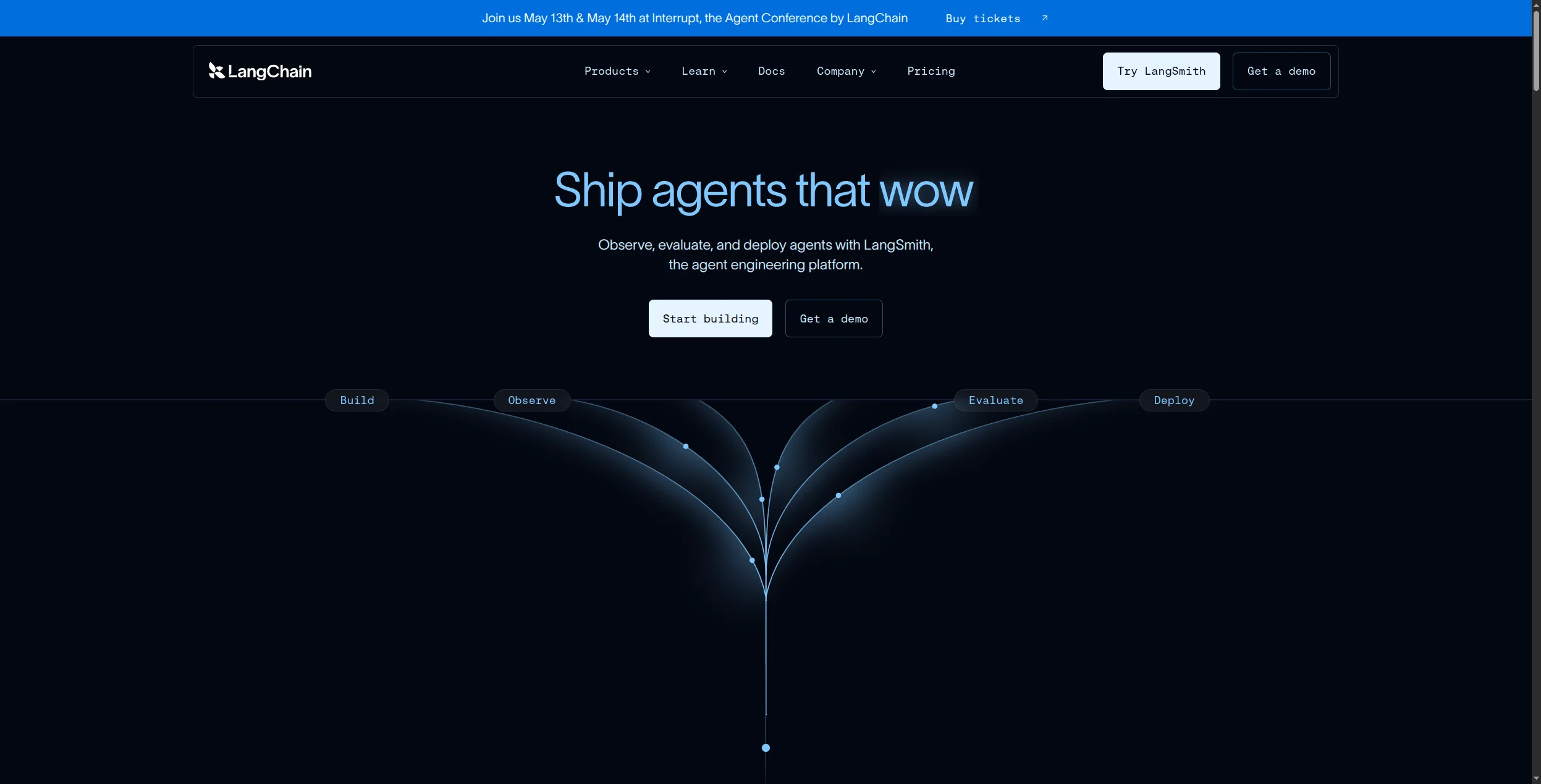
LangChain byl spuštěn na konci roku 2022 a rychle se stal výchozím frameworkem pro vytváření aplikací poháněných LLM. Zavedl koncepty, které dnes používá celý obor: řetězy (chains), agenty, paměť, nástroje, retrievery a parsery výstupů. Po nějakou dobu to byl jediný strukturovaný způsob, jak vytvořit cokoli vážného s GPT-4 nebo Claude.
Jak však framework rostl, rostly i jeho problémy. Do roku 2025 se LangChain stal nechvalně proslulým třemi věcmi:
Porušující změny. Drobné navýšení verzí pravidelně rozbíjí produkční aplikace. Týmy udržují připnuté závislosti a měsíce odkládají upgrady ze strachu — udržovací zátěž, která se časem nabaluje.
Přetížení abstrakcemi. LangChain obaluje vše do vrstev abstrakce (Runnable, LCEL, BaseChatModel, BaseRetriever), které dělají kód těžko čitelným, těžko laditelným a těžko vysvětlitelným kolegům. Jednoduchá RAG pipeline, která by mohla mít 30 řádků přímých volání API, se mění v 150 řádků zřetězených objektů LangChain.
Režie u jednoduchých úkolů. Úkoly, které by měly zabrat odpoledne — „vytvořit chatbota, který čte naši dokumentaci“ — zaberou dny, když započítáte učební křivku LangChain, ladicí relaci a prompt engineering. Framework zavádí tření, které před ním neexistovalo.
Nic z toho neznamená, že LangChain je špatný. Je výkonný, dobře zdokumentovaný a široce podporovaný. V roce 2026 však pro většinu případů použití existují lepší možnosti — štíhlejší frameworky, vizuální platformy a produkčně připravené alternativy, které řeší stejné problémy bez režie.
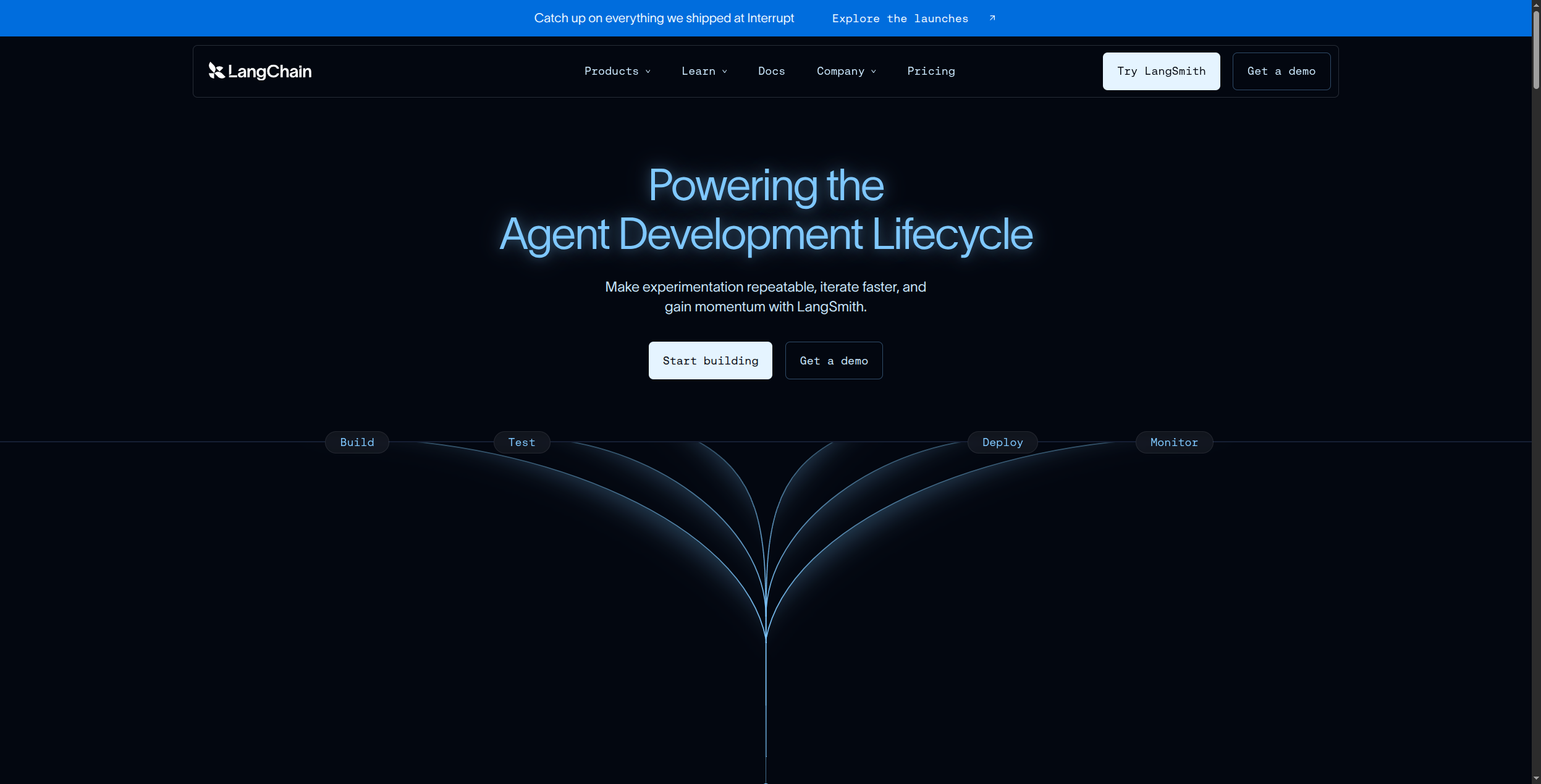
Cena: LangChain (open-source knihovna) je zdarma pod licencí MIT — žádné náklady za její použití ve vašich projektech. LangSmith (platforma pro pozorovatelnost a testování) nabízí:
Klíčové funkce:
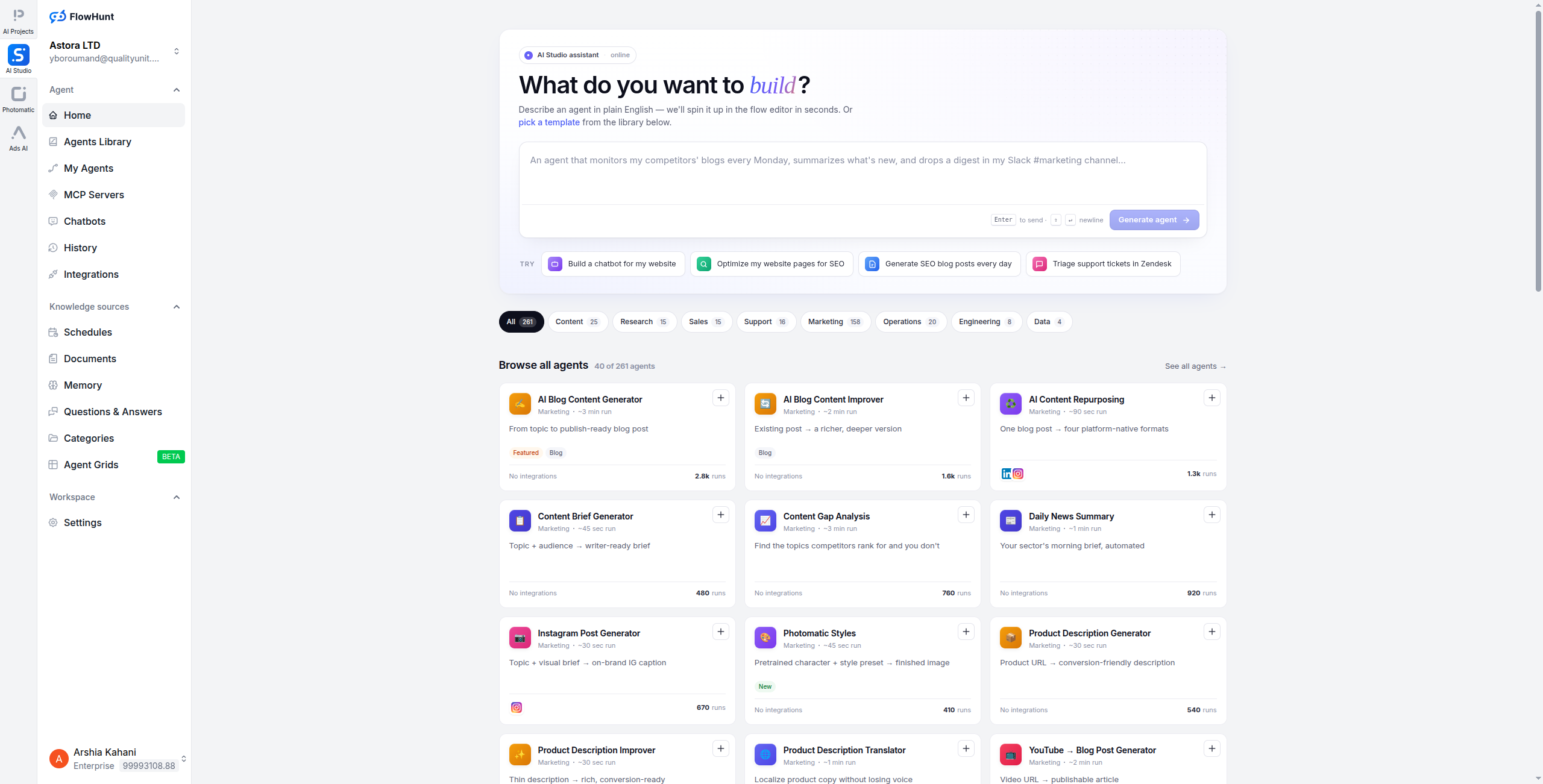
FlowHunt je nejúplnější alternativa LangChain pro týmy, které chtějí rychle nasazovat AI agenty — bez zápasu s verzemi Python balíčků, syntaxí LCEL nebo konfigurací standardního kódu. Nahrazuje celý stack LangChain (směrování modelů, volání nástrojů, RAG, paměť, orchestrace agentů) vizuálním tvůrcem přetažení, který běží ve vašem prohlížeči.
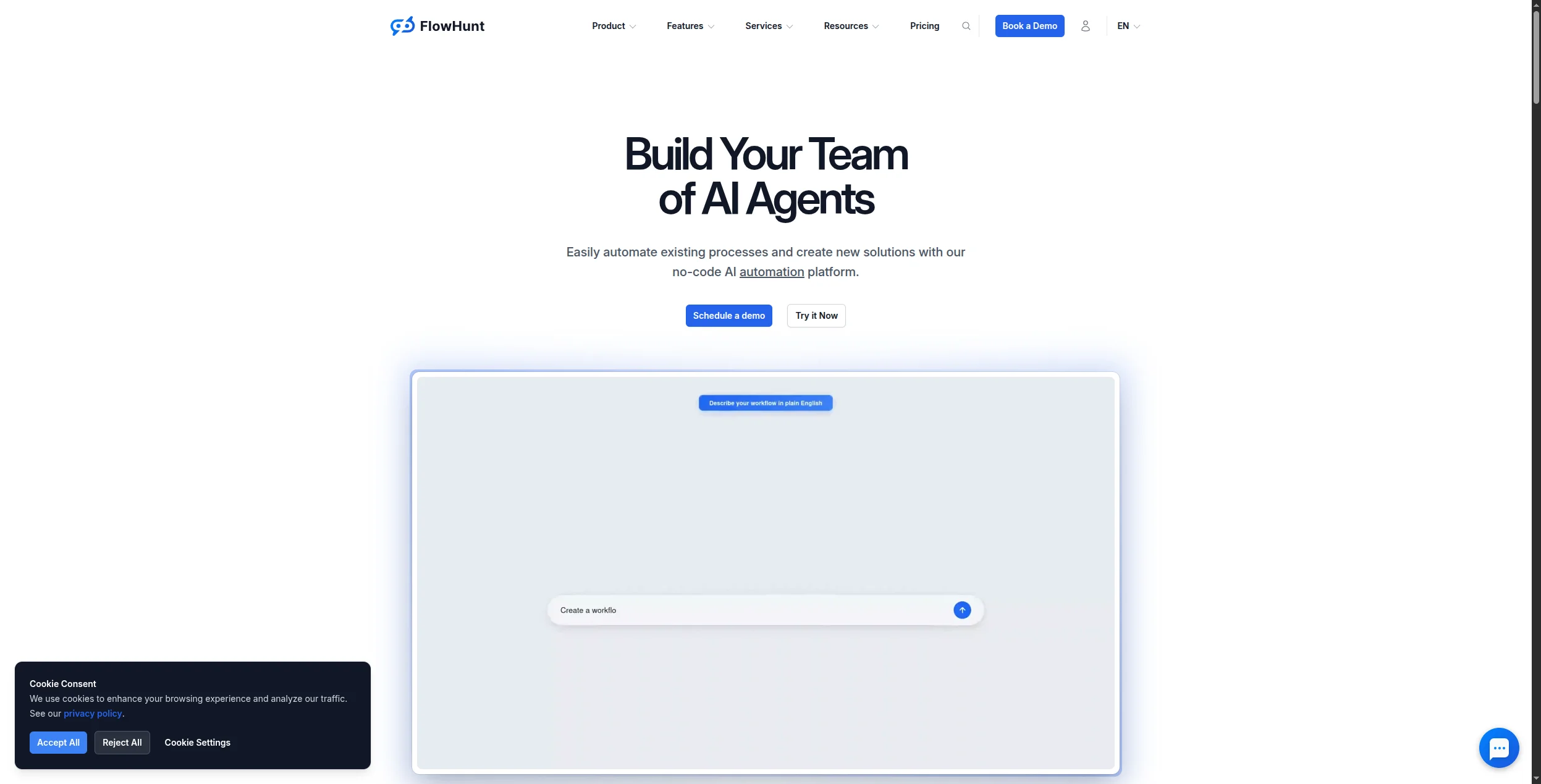
Tam, kde LangChain vyžaduje stovky řádků Pythonu pro propojení RAG agenta s pamětí a používáním nástrojů, FlowHunt vám umožňuje přetáhnout uzel „Vector Search“, připojit jej k uzlu LLM se systémovou výzvou, připojit blok paměti a nasadit za méně než hodinu. Stejný agent běží napříč chat widgety, API endpointy, Slackem a e-mailem — není potřeba žádný další integrační kód.
FlowHunt podporuje každý hlavní LLM (GPT-4o, Claude 3.5, Gemini 1.5, Mistral, Llama 3), má 1 400+ předpřipravených integrací a zahrnuje vestavěné monitorování, správu verzí a nástroje pro týmovou spolupráci. Je opravdu připraven pro podniky: vyhovuje SOC 2, s RBAC a auditními logy.
Cena:
Klíčové funkce:
Výhody: Žádný kód není potřeba, nejrychlejší čas k produkci, vestavěný RAG a paměť, 1 400+ integrací, připraveno pro podniky
Nevýhody: Menší surová flexibilita než Python framework pro vysoce vlastní logiku agentů; vyžaduje cloudové nasazení (aktuálně bez možnosti vlastního hostingu)
Nejlepší pro: Obchodní týmy, produktové týmy a vývojáře, kteří chtějí produkční agenty bez režie údržby frameworku.
Viz také: Nejlepší tvůrci AI agentů v roce 2026 pro širší srovnání platforem.
LlamaIndex (dříve GPT Index) byl účelově vytvořen pro jednu věc: propojení LLM s daty. Vyvinul se v plnohodnotný framework agentů, ale jeho hlavní silou zůstává indexování dokumentů, vyhledávání a konstrukce engine dotazů — vše oblasti, kde abstrakce LangChain působí neohrabaně.
Tam, kde abstrakce retrieveru LangChain skrývá příliš mnoho detailů, vám LlamaIndex dává explicitní kontrolu nad strategií chunkingu, výběrem embedding modelu, metrikami podobnosti a re-rankingem. Jeho QueryEngine a RouterQueryEngine usnadňují směrování otázek napříč více zdroji dat — něco, co v LangChain vyžaduje značnou vlastní práci.
LlamaIndex má také čistší podporu async a lepší integraci s nástroji pozorovatelnosti, jako je LlamaTrace (nyní Arize Phoenix), což usnadňuje ladění produkčních agentů.
Cena: LlamaIndex (open-source knihovna) je zdarma pod licencí MIT. LlamaCloud (spravovaná cloudová služba) nabízí:
Klíčové funkce:
Výhody: Špičkové zpracování dokumentů a RAG, čistší abstrakce než LangChain, vynikající podpora async, silná komunita
Nevýhody: Menší šíře než LangChain pro případy použití mimo RAG, stále vyžaduje znalost Pythonu, menší ekosystém integrací
Nejlepší pro: Vývojáře vytvářející systémy Q&A nad dokumenty, výzkumné asistenty, agenty znalostní báze nebo jakoukoli aplikaci, kde je kvalita vyhledávání dat kritická.
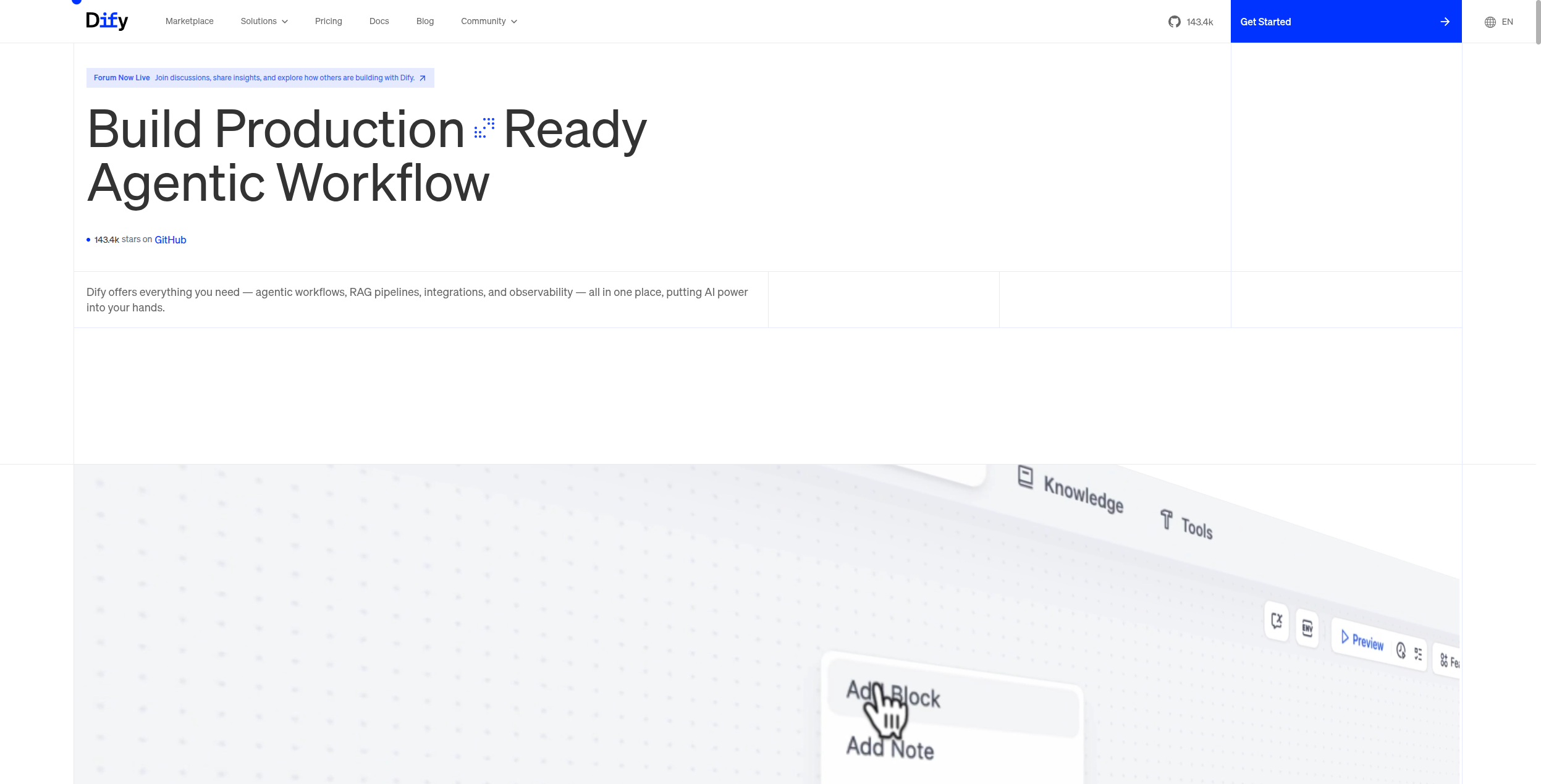
Dify je open-source platforma LLMOps, která zaujímá vizuálně-první přístup k programatickému modelu LangChain. Místo psaní Pythonu pro definování šablon výzev, vyhledávacích řetězců a pracovních toků agentů je konfigurujete ve studiu orchestrace založeném na prohlížeči.
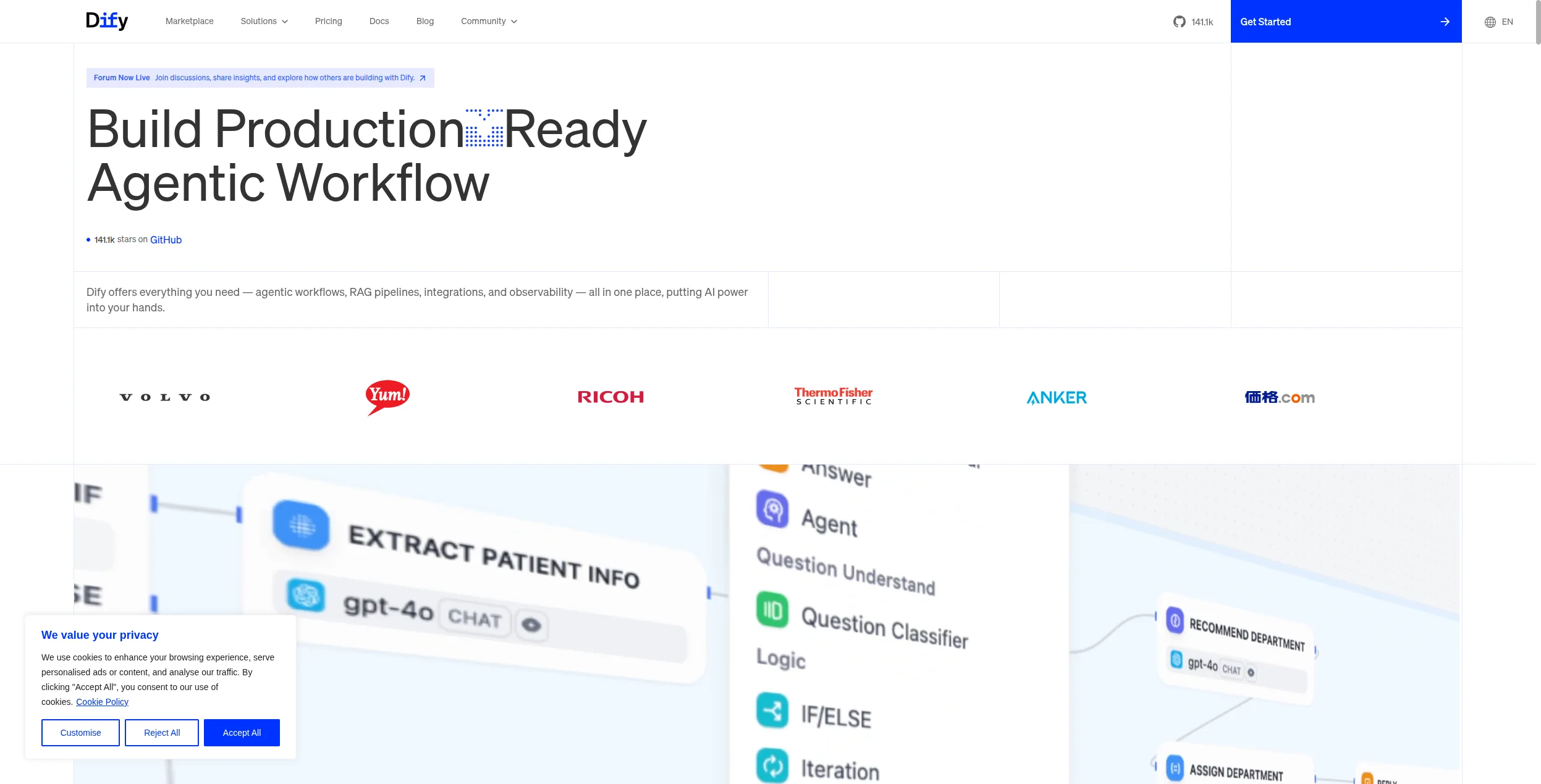
Dify zahrnuje plnohodnotný tvůrce RAG pipeline s nahráváním dokumentů, chunkingem, embeddingem a konfigurací vyhledávání — žádný kód není potřeba. Má také editor pracovních toků pro vícekrokové agentní toky, systém správy výzev a přepínač poskytovatelů modelů, který umožňuje přepínat mezi OpenAI, Anthropic, Cohere a lokálními modely bez změny jakékoli logiky aplikace.
Protože je plně open-source (licence MIT) a nasaditelný přes Docker, je Dify oblíbený u týmů, které potřebují vlastní hosting z důvodů ochrany dat nebo souladu s předpisy. Cloudová verze na dify.ai je zdarma pro začátek.
Cena:
Klíčové funkce:
Výhody: Open-source a vlastní hostovatelné, vizuální orchestrace výzev, vestavěná RAG pipeline, nezávislé na modelu, aktivní komunita
Nevýhody: Méně flexibilní než čistý Python pro složitou vlastní logiku, cloudová verze má limity spotřeby, dokumentace může zaostávat za novými funkcemi
Nejlepší pro: Vývojové týmy, které chtějí vizuální orchestraci LLM bez uzamčení k dodavateli, nebo jakýkoli tým s požadavky na ochranu dat, který vylučuje SaaS platformy.
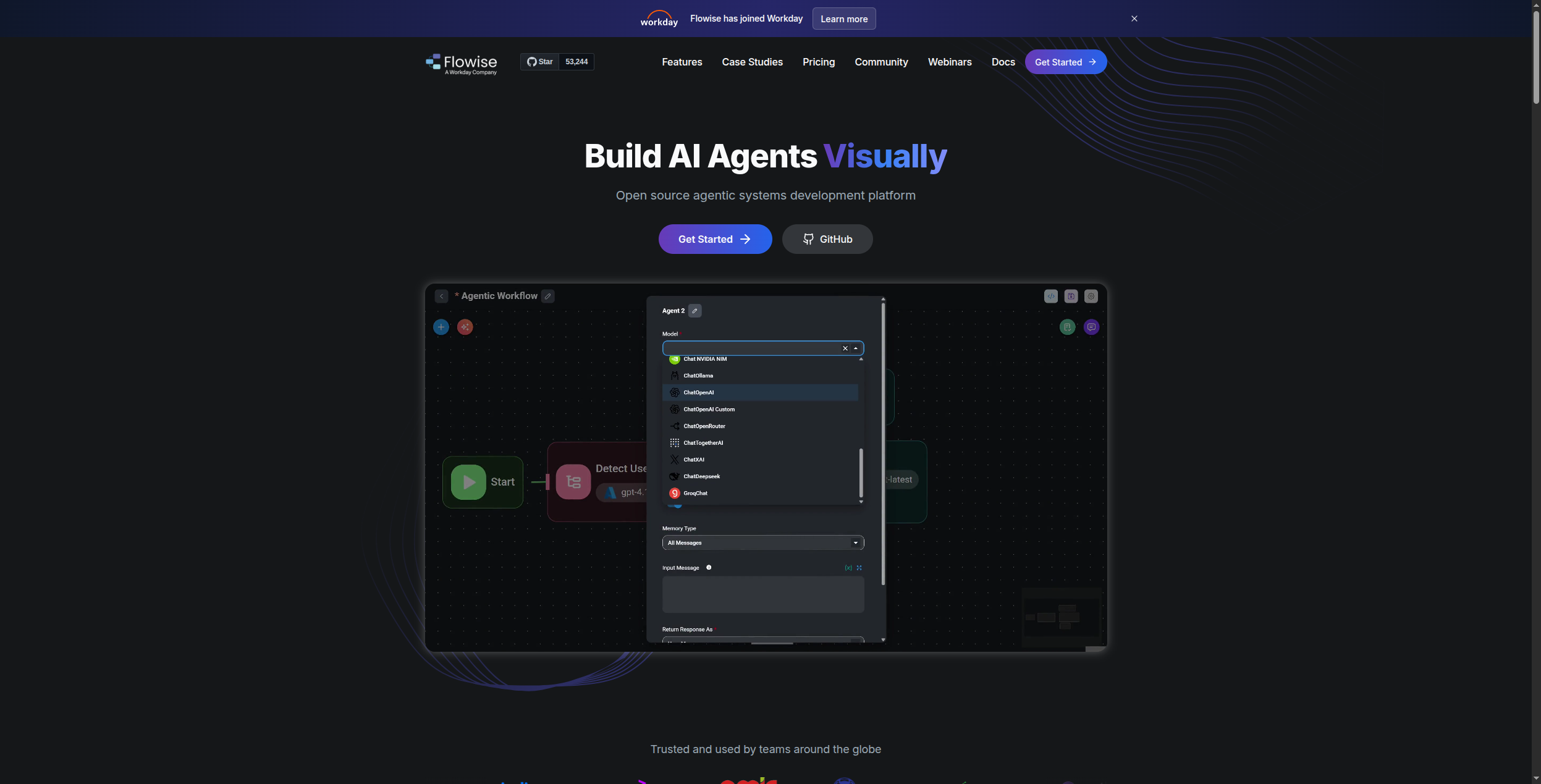
Pokud se vám líbí koncepty LangChain, ale nesnášíte psaní kódu LangChain, Flowise je odpověď. Je to open-source, vlastní hostovatelný vizuální tvůrce, který generuje toky LangChain z komponent přetažením — takže získáte celý ekosystém LangChain (loadery dokumentů, vektorová úložiště, typy paměti, integrace nástrojů) bez napsání jediného řádku Pythonu.
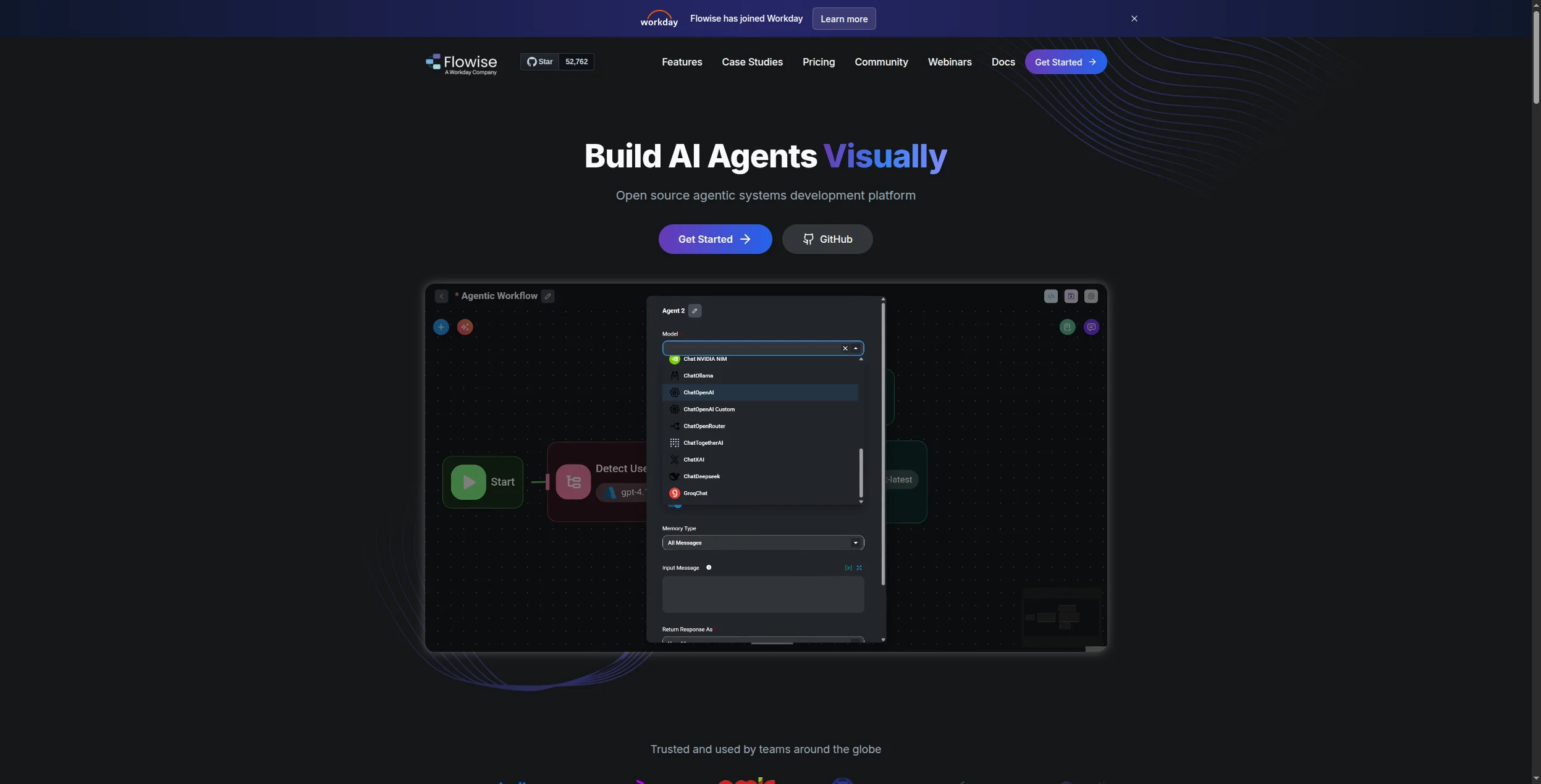
Flowise má aktivní tržiště komunitních toků a jeho knihovna uzlů pokrývá každou hlavní komponentu LangChain: ChatOpenAI, ConversationalRetrievalChain, AgentExecutor, PineconeVectorStore a další. Protože odhaluje podkladový JSON LangChain, pokročilí uživatelé mohou rozšířit jakýkoli uzel vlastním kódem, když vizuální úprava nestačí.
Cena:
Klíčové funkce:
Výhody: Skutečná kompatibilita s LangChain bez kódu, vlastní hostovatelné, aktivní komunita, snadné sdílení a verzování toků
Nevýhody: Vázáno na vydávací cyklus LangChain (dědí nestabilitu verzí), omezenější než Dify pro složité orchestrační vzory, méně vybroušené UI než komerční alternativy
Nejlepší pro: Uživatele LangChain, kteří chtějí přejít na vizuální přístup; týmy, které chtějí rychle prototypovat agenty LangChain před produkcí.
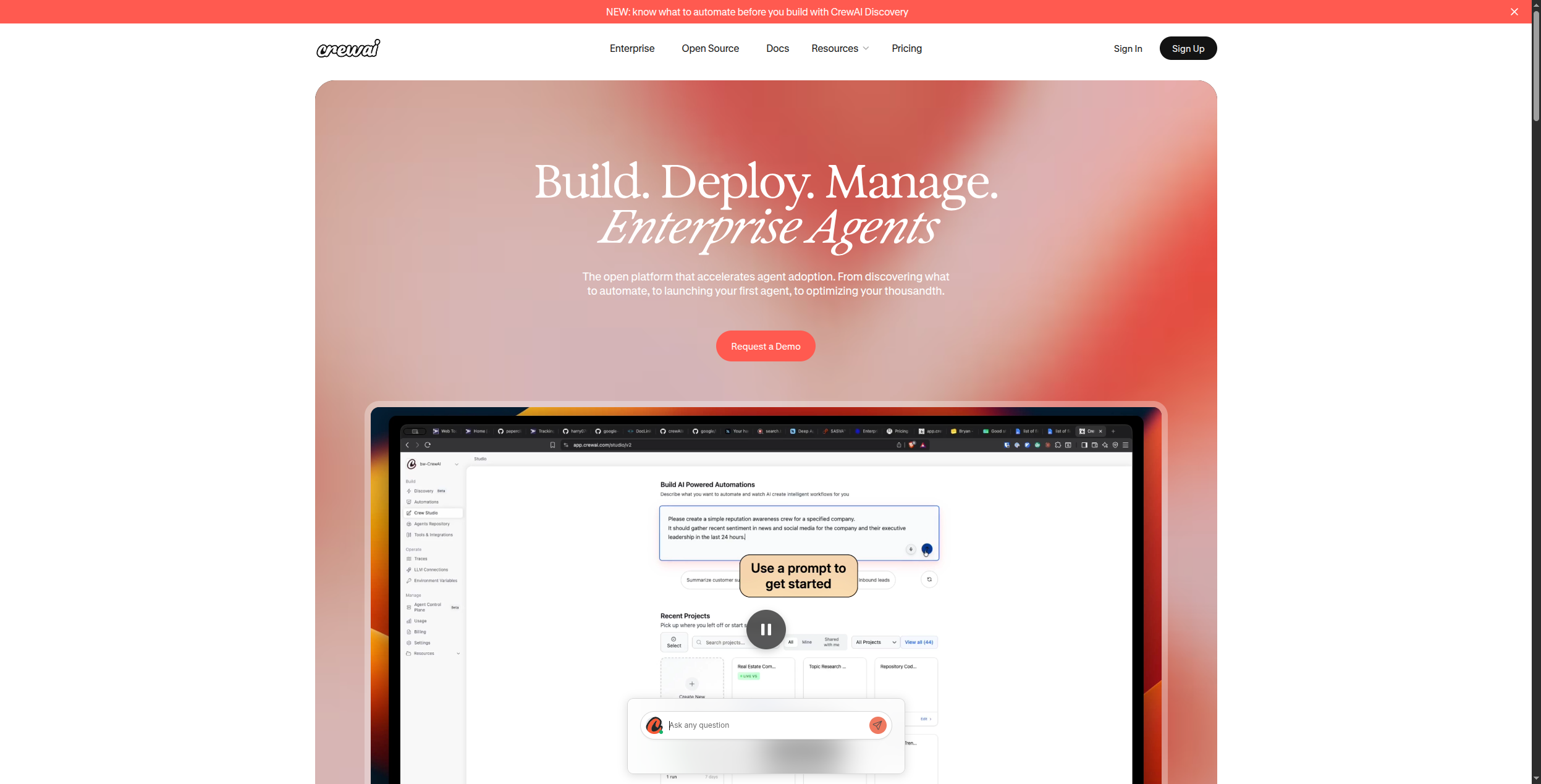
CrewAI zavádí jiný mentální model: místo řetězů a nástrojů definujete „crew“ (tým) AI agentů, z nichž každý má jméno, roli, cíl a příběh pozadí. Tým spolupracuje na úkolech prostřednictvím definovaného procesu (sekvenčního nebo hierarchického), přičemž agenti delegují práci jeden na druhého na základě svých rolí.
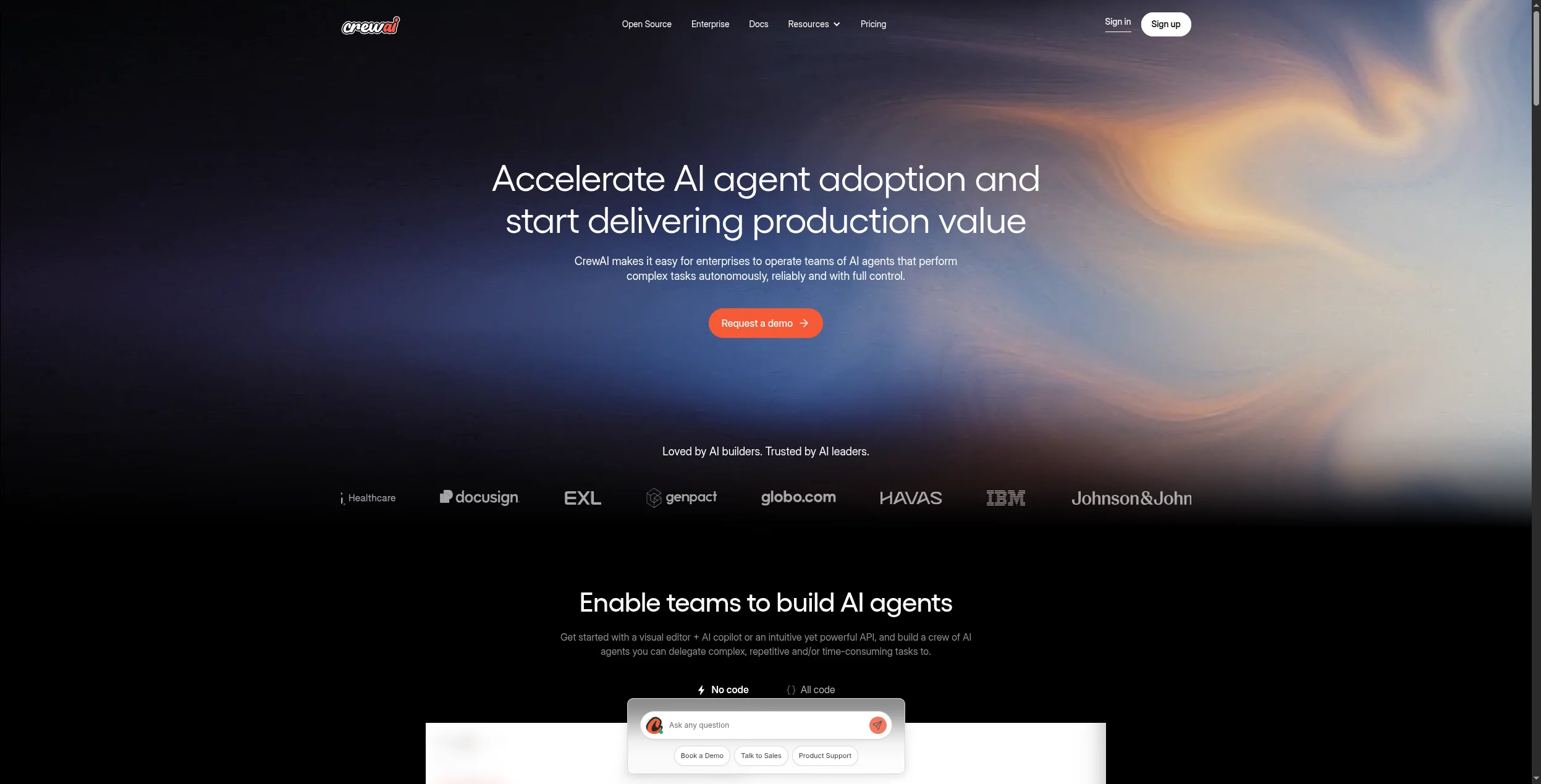
Tento vzor založený na rolích se přirozeně mapuje na reálné týmové pracovní toky — „Research Agent“, který nachází informace, „Writer Agent“, který je syntetizuje, a „QA Agent“, který kontroluje výstup před doručením. CrewAI automaticky řeší komunikaci mezi agenty, sdílení paměti a delegování úkolů.
CrewAI je pro případy použití vícenásobných agentů výrazně lehčí než LangChain a vyžaduje mnohem méně standardního kódu. Jeho abstrakce jsou natolik intuitivní, že je vývojáři mimo LangChain rychle pochopí.
Cena:
Klíčové funkce:
Výhody: Intuitivní model vícenásobných agentů na základě rolí, lehký, rychlé nastavení, vynikající pro vícenásobné agentní pracovní toky stylu pipeline
Nevýhody: Méně flexibilní pro vzory mimo crew, menší ekosystém integrací než LangChain, vyžaduje Python, nástroje pozorovatelnosti v rané fázi
Nejlepší pro: Vývojáře vytvářející výzkumné pipeline, pracovní toky tvorby obsahu nebo jakýkoli případ použití zahrnující paralelní agenty s odlišnými rolemi.
Framework AutoGen společnosti Microsoft se soustředí na konverzační vzory agentů — agenty, kteří spolu (a s lidmi) mluví, aby dokončili úkoly prostřednictvím dialogu. Jeho vzory „GroupChat“ a vnořené konverzace jej činí výkonným pro výzkumné úkoly, generování kódu a jakýkoli pracovní tok, který těží z debaty a oprav mezi agenty.
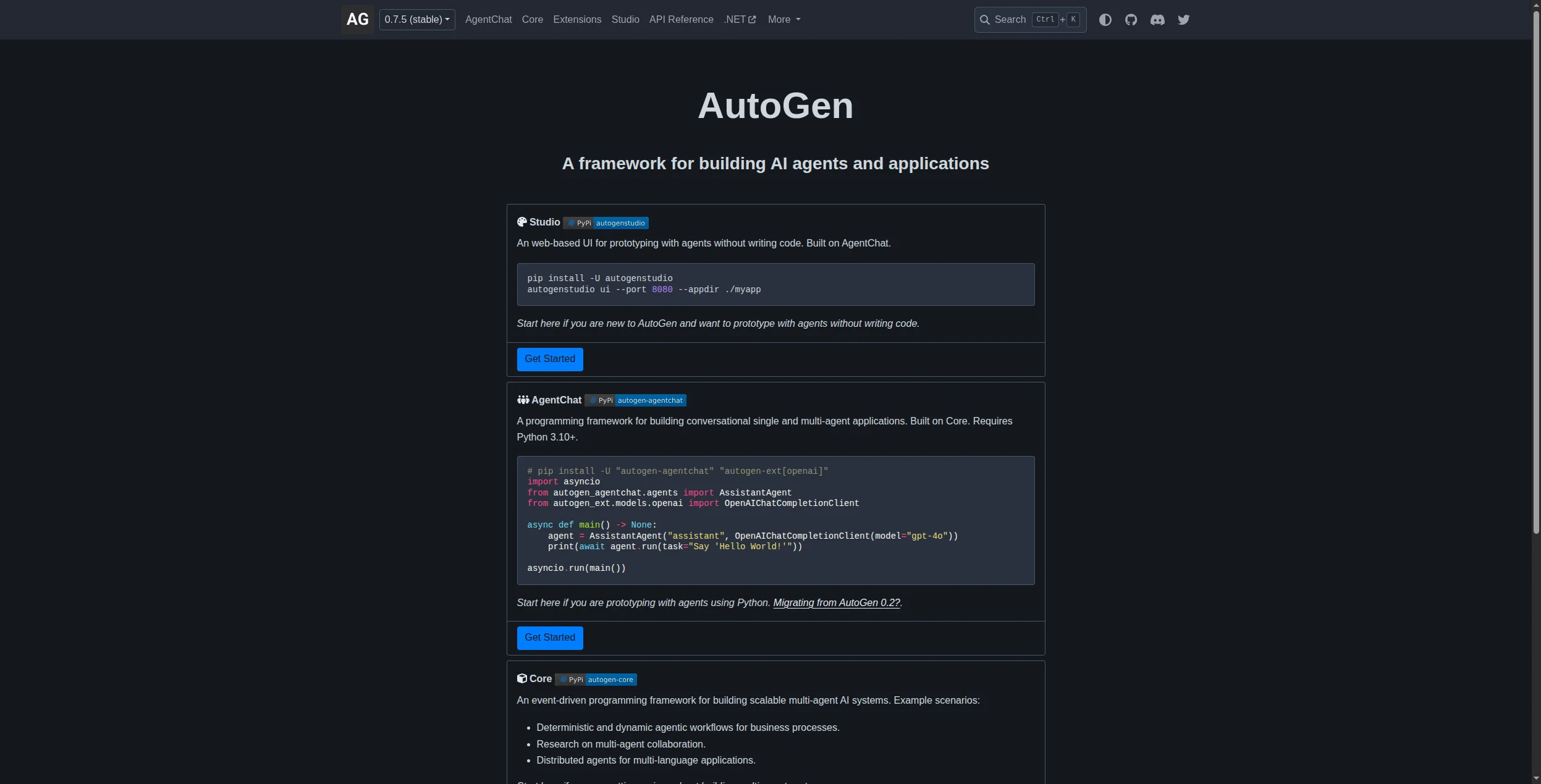
Návrh AutoGen s člověkem v obrazu je skutečným odlišujícím prvkem: můžete vstříknout lidskou zpětnou vazbu v jakémkoli bodě konverzace, což jej činí vhodným pro vysoce rizikové pracovní toky, kde plná autonomie není vhodná. Má také silné schopnosti spouštění kódu s agenty, kteří umí iterativně psát, spouštět a ladit kód.
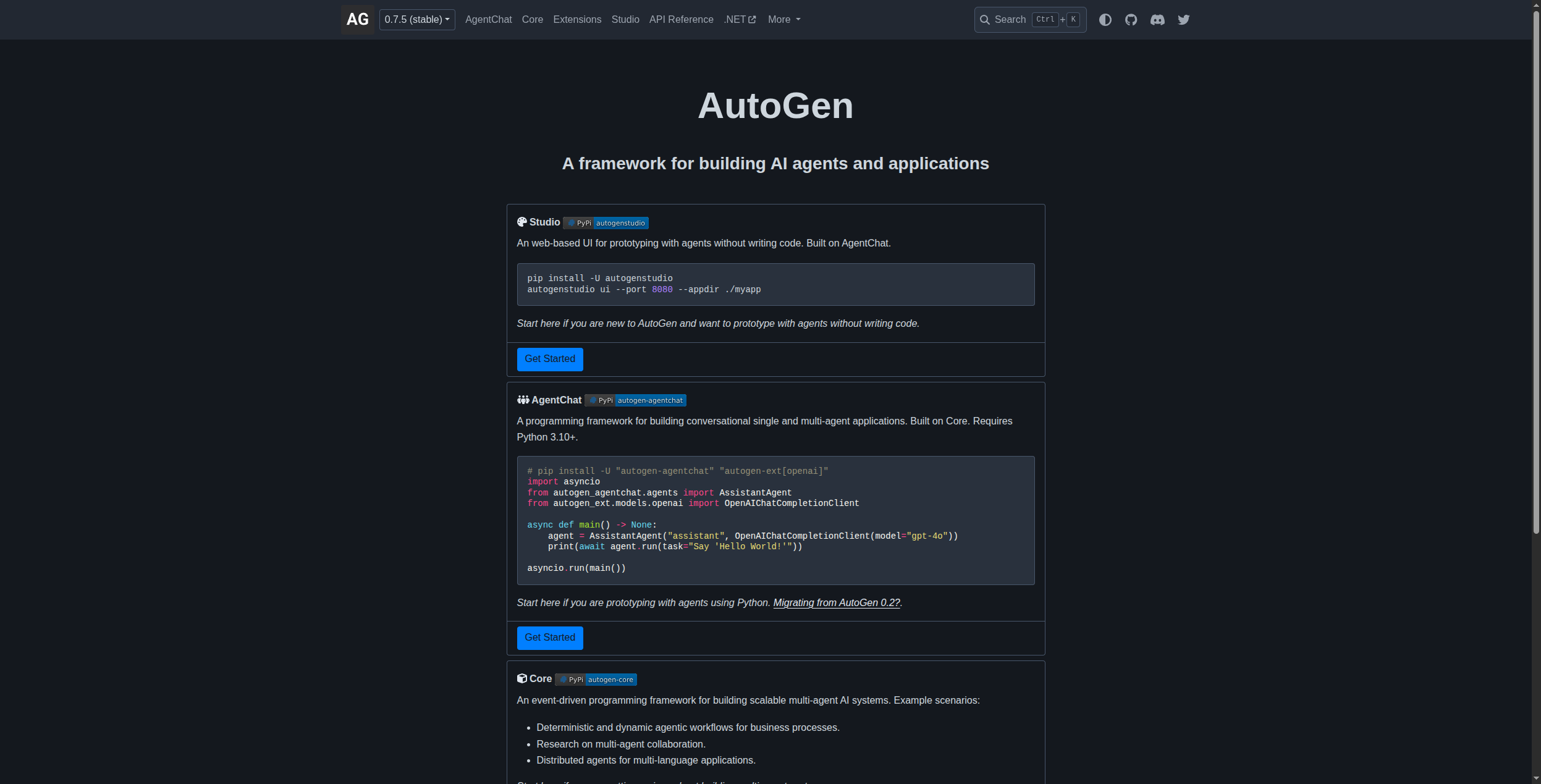
Cena: AutoGen (open-source framework) je zdarma pod licencí MIT bez poplatků za spotřebu. AutoGen Studio (vizuální rozhraní pro vytváření a testování agentů AutoGen) je rovněž zdarma a open-source. Pro podniková nasazení poskytuje Microsoft Azure AI spravovanou infrastrukturu AutoGen v rámci cenových úrovní Azure.
Klíčové funkce:
Výhody: Vynikající konverzační vzory vícenásobných agentů, silná podpora člověka v obrazu, podpora Microsoftu, vestavěné spouštění kódu
Nevýhody: Konverzační vzor nesedí všem případům použití, strmější učební křivka než CrewAI, upovídaný u jednoduchých pipeline
Nejlepší pro: Automatizaci výzkumu, agenty generování kódu, pracovní toky vyžadující lidskou kontrolu v mezikrocích a podnikové týmy v ekosystému Microsoft.
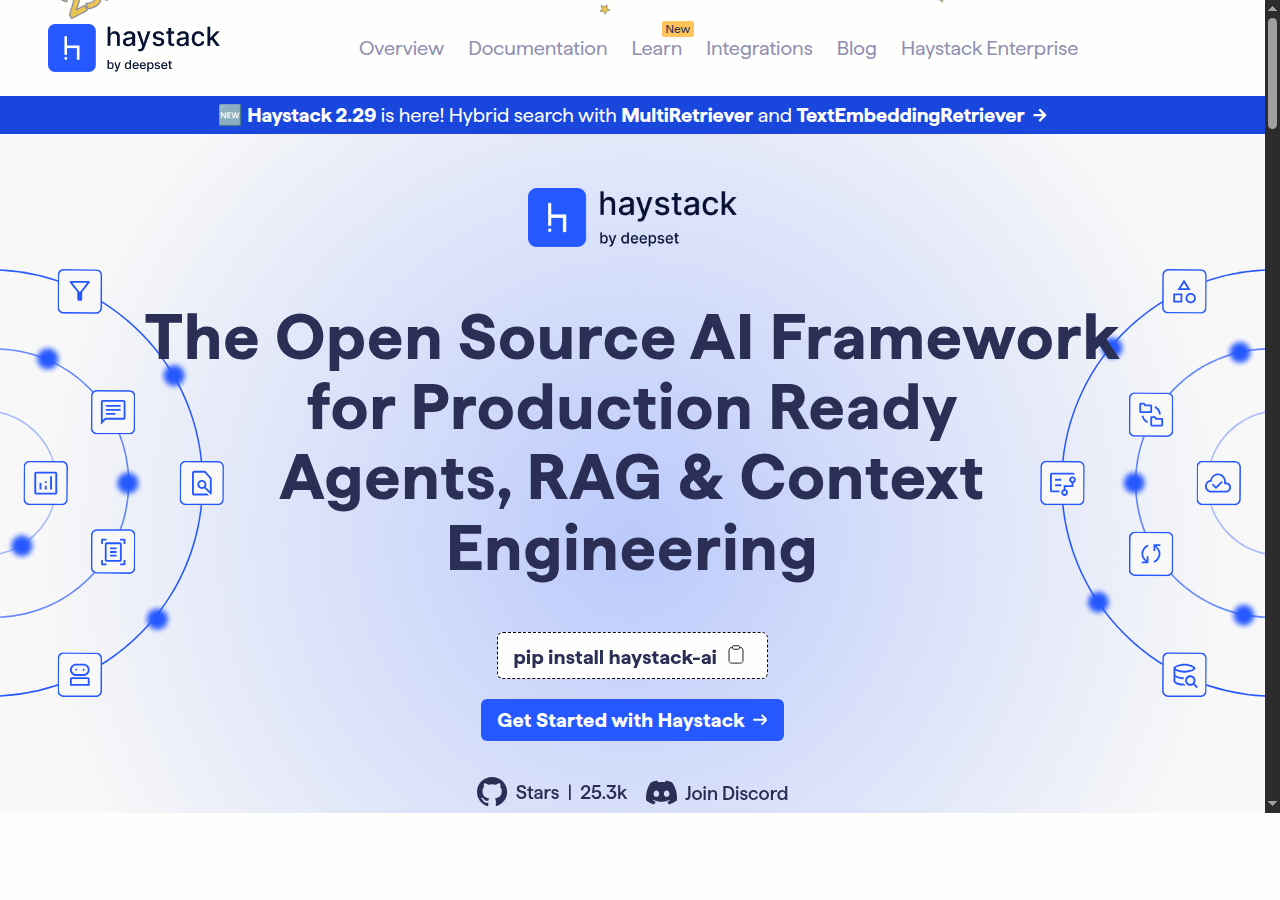
Haystack od deepset je vytvořen pro produkci. Tam, kde je LangChain často bolestí hlavy při migraci z výzkumu do produkce, je Haystack od základu navržen pro spolehlivost, modularitu a podnikové nasazení. Jeho abstrakce pipeline používá explicitní grafy komponent s typovanými vstupy/výstupy, které zachytávají integrační chyby v době sestavení spíše než za běhu.
Haystack vyniká ve zpracování dokumentů, hybridním vyhledávání (řídké + husté vyhledávání), odpovídání na otázky a generativních QA pipeline. Jeho framework vyhodnocování (Haystack Evaluation) usnadňuje systematické měření kvality vyhledávání a kvality výstupu LLM — kritickou schopnost pro produkční systémy.

Cena: Haystack (open-source framework) je zdarma pod licencí Apache 2.0. deepset Cloud (spravovaná podniková platforma postavená na Haystack) nabízí:
Klíčové funkce:
Výhody: Spolehlivost na produkční úrovni, typované komponenty pipeline, vynikající nástroje vyhodnocování, silné zpracování dokumentů, dobře zdokumentováno
Nevýhody: Více názorové než LangChain (méně flexibilní pro nové vzory), náročnější učební křivka pro začátečníky, menší ekosystém
Nejlepší pro: Podnikové týmy vytvářející produkční systémy RAG/QA, které potřebují spolehlivost, testovatelnost a metriky vyhodnocování od prvního dne.
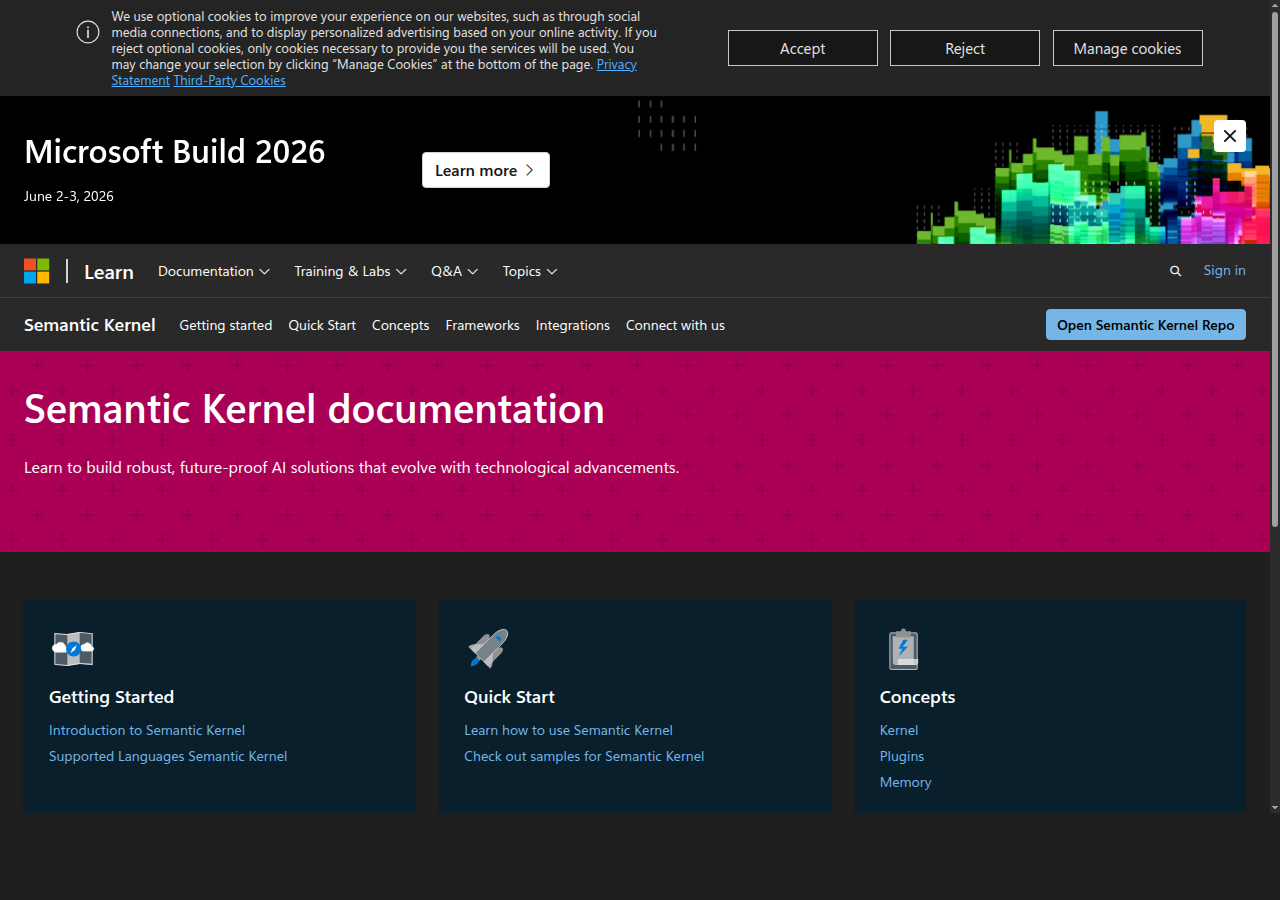
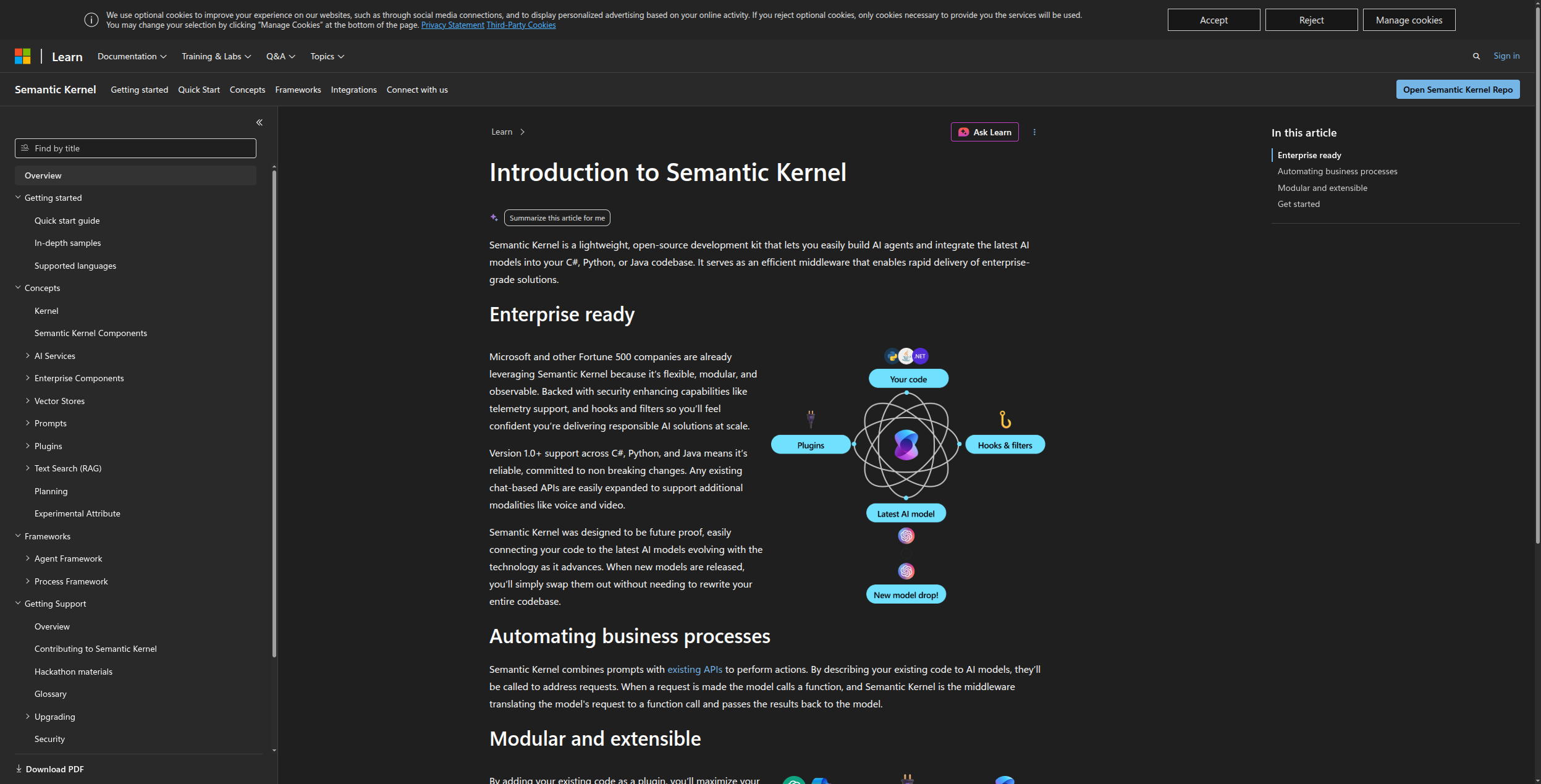
Semantic Kernel je SDK společnosti Microsoft pro vkládání LLM do podnikových aplikací. Na rozdíl od Python-prvních frameworků podporuje .NET (C#), Python a Java rovnocenně — což z něj činí jedinou seriózní možnost pro podnikové týmy, jejichž produkční stack je .NET.
Semantic Kernel používá „kernel“, který funguje jako vrstva orchestrace AI, s „plugins“ (ekvivalent nástrojů LangChain), které vystavují funkce LLM. Jeho komponenty plánovače (sekvenční, postupný, handlebars) automaticky řeší vícekrokové uvažování. Hluboká integrace s Azure OpenAI, Azure AI Search a Microsoft 365 z něj činí přirozenou volbu pro týmy, které jsou již v cloudu Microsoft.
Cena: Semantic Kernel je zdarma a open-source pod licencí MIT — za samotné SDK nejsou žádné poplatky. Náklady plynou z podkladových poskytovatelů modelů (Azure OpenAI, OpenAI API) a služeb Azure (Azure AI Search, Azure Cosmos DB pro paměť) používaných ve vaší aplikaci Semantic Kernel, účtovaných za standardní sazby Azure.
Klíčové funkce:
Výhody: Vícejazyčné SDK (.NET/Python/Java), hluboká integrace s Azure, paměť a plánování na úrovni podniku, podpora Microsoftu
Nevýhody: Více upovídané než nativní Python frameworky, zaměřené na Azure (méně užitečné mimo ekosystém Microsoft), menší komunita než LangChain/LlamaIndex
Nejlepší pro: Podnikové vývojové týmy .NET, organizace zaměřené na Azure a týmy vytvářející asistenty stylu Copilot na vrcholu infrastruktury Microsoft.

Začněte svou bezplatnou zkušební verzi ještě dnes a viďte výsledky během několika dní.
Vyberte FlowHunt, pokud je vaším cílem rychlé nasazování produkčních AI agentů bez režie údržby frameworku — zejména pokud váš tým zahrnuje nevývojáře.
Vyberte LlamaIndex, pokud potřebujete nejlepší možnou kvalitu RAG a výkon vyhledávání dat a váš tým je s Pythonem v pohodě.
Vyberte Dify nebo Flowise, pokud chcete vlastní hosting a suverenitu dat a preferujete vizuální rozhraní před kódem v Pythonu.
Vyberte CrewAI, pokud se váš případ použití přirozeně mapuje na paralelní agenty s odlišnými rolemi (výzkum, psaní, QA, analýza).
Vyberte AutoGen, pokud potřebujete sofistikované vzory s člověkem v obrazu nebo konverzační debatu vícenásobných agentů pro složité úkoly uvažování.
Vyberte Haystack, pokud vytváříte produkční NLP systémy a potřebujete nástroje vyhodnocování a spolehlivosti, které frameworkům zaměřeným na výzkum chybí.
Vyberte Semantic Kernel, pokud váš tým žije v .NET a Azure nebo pokud vytváříte integrace Microsoft 365.
Pro širší pohled na prostředí AI automatizace si přečtěte našeho průvodce Nejlepší nástroje pro automatizaci pracovních toků a Nejlepší alternativy Zapier .
Arshia je inženýr AI pracovních postupů ve FlowHunt. Sxa0vzděláním vxa0oboru informatiky a vášní pro umělou inteligenci se specializuje na vytváření efektivních workflow, které integrují AI nástroje do každodenních úkolů a zvyšují tak produktivitu i kreativitu.

FlowHunt vám dává vše, co dělá LangChain — paměť, používání nástrojů, vícekrokové uvažování, RAG — bez chaosu verzí, režie konfigurace nebo souborů se 300 řádky standardního kódu.
LangChain je open-source rámec pro vývoj aplikací poháněných velkými jazykovými modely (LLM), který zjednodušuje integraci výkonných LLM, jako jsou GPT-3.5 a GP...

Srovnání 8 nejlepších frameworků pro AI agenty v roce 2026 — LangChain, CrewAI, AutoGen, LlamaIndex, Dify, Haystack, Semantic Kernel a FlowHunt. Který je ten pr...
Ohodnoceno a recenzováno: 12 nejlepších nástrojů pro AI agenty v roce 2026. Od nástrojů pro tvorbu agentů bez kódu po open-source frameworky — najděte správnou ...
Souhlas s cookies
Používáme cookies ke zlepšení vašeho prohlížení a analýze naší návštěvnosti. See our privacy policy.