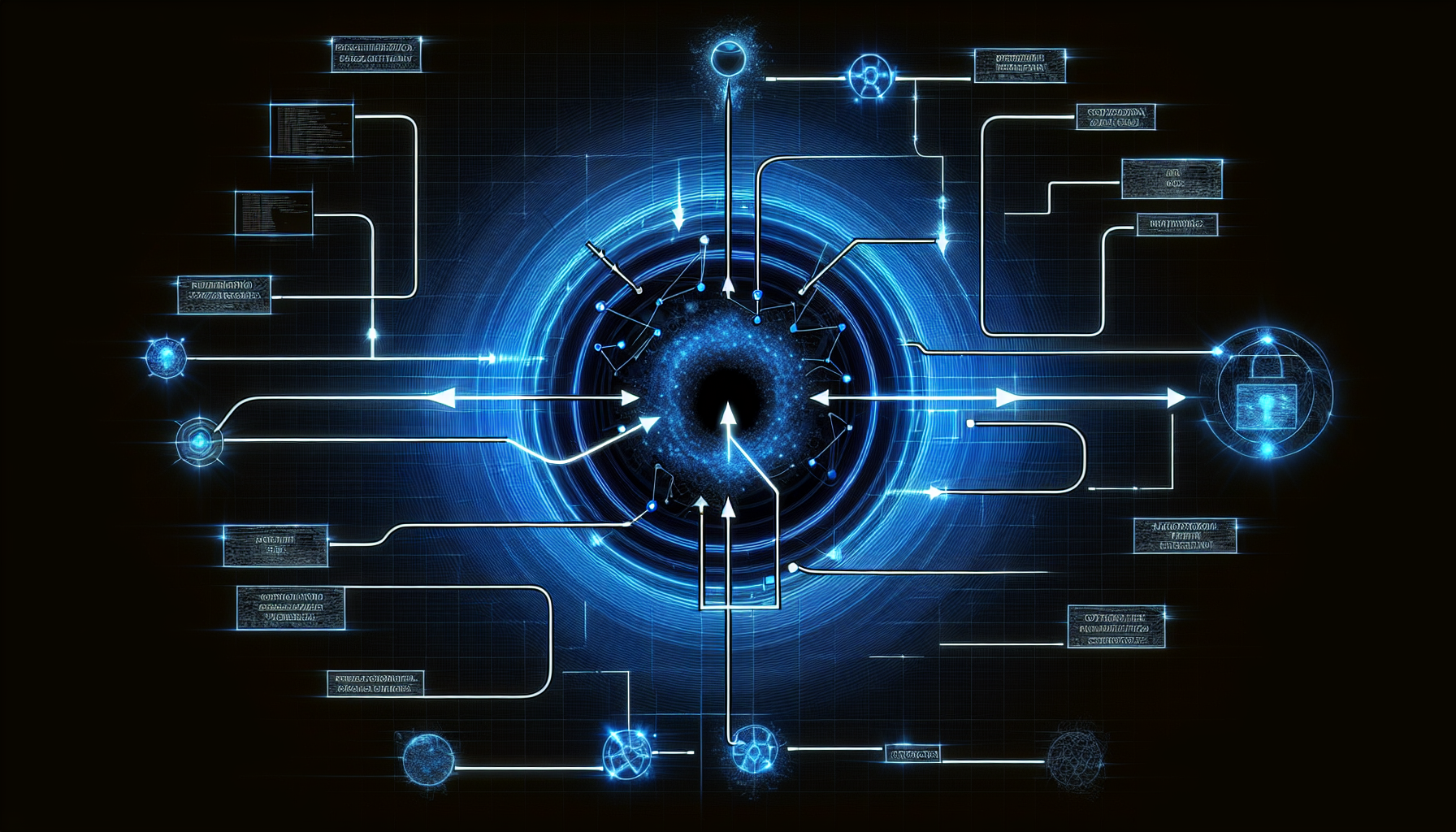
An AI chatbot security audit is a structured security assessment specifically designed for AI systems built on large language models. It combines traditional security testing disciplines with specialized AI-specific attack methodologies to evaluate the chatbot’s vulnerability to the unique threats that LLM deployments face.
Why AI Chatbots Need Specialized Security Audits
Traditional web application security audits test for vulnerabilities like SQL injection, XSS, authentication flaws, and authorization bypasses. These remain relevant for the infrastructure surrounding AI chatbots — APIs, authentication systems, data storage — but they miss the most critical AI-specific vulnerabilities.
An AI chatbot’s primary attack surface is its natural language interface. Vulnerabilities like prompt injection
, jailbreaking
, and system prompt extraction
are invisible to traditional security scanners and require specialized testing techniques.
Furthermore, AI chatbots are often deeply integrated with sensitive data sources, external APIs, and business-critical systems. The blast radius of a successful attack can extend well beyond the chatbot itself.
Scope of an AI Chatbot Security Audit
Phase 1: Reconnaissance and Attack Surface Mapping
Before any active testing, the auditor documents:
- Input vectors: Every way a user or external system can send data to the chatbot
- System prompt structure: The architecture and contents of developer-provided instructions
- Integration inventory: Connected APIs, databases, tools, and external services
- Data access scope: What information the chatbot can retrieve, read, or modify
- Authentication and authorization model: Who can access the chatbot and with what permissions
- RAG pipeline architecture: Knowledge base composition, ingestion processes, and retrieval logic
Phase 2: AI-Specific Attack Testing
Active testing covers the OWASP LLM Top 10
categories:
Prompt Injection Testing:
- Direct injection: Override attempts, role-play manipulation, authority spoofing
- Multi-turn escalation sequences
- Delimiter and special character exploitation
- Indirect injection via all retrieval pathways
Jailbreaking and Guardrail Testing:
- DAN variants and persona attacks
- Token manipulation and encoding attacks
- Gradual escalation sequences
- Known public jailbreak payloads adapted for the specific deployment
System Prompt Extraction:
- Direct extraction requests
- Indirect elicitation through debugging or confirmation framing
- Injection-based extraction attempts
Data Exfiltration Testing:
- Attempts to extract user PII accessible to the chatbot
- Attempts to retrieve credentials, API keys, or internal configuration
- Cross-user data access testing (if multi-tenant)
- RAG knowledge base content extraction
RAG Pipeline Testing:
- RAG poisoning
simulation via knowledge base injection
- Indirect injection through document and web content
- Retrieval boundary testing
API and Infrastructure Testing:
- Authentication and authorization boundary testing
- Rate limiting and abuse prevention
- Tool use authorization testing
- Denial of service scenarios
Phase 3: Infrastructure and Integration Security
Traditional security testing applied to the AI system’s supporting infrastructure:
- API endpoint security
- Authentication mechanisms
- Data storage security
- Third-party integration security
- Network security posture
The audit concludes with:
Executive Summary: Non-technical overview of the security posture, key findings, and risk levels for senior stakeholders.
Attack Surface Map: Visual diagram of the chatbot’s components, data flows, and identified vulnerability locations.
Findings Register: Every identified vulnerability with severity rating (Critical/High/Medium/Low/Informational), CVSS-equivalent score, OWASP LLM Top 10 mapping, and proof-of-concept demonstration.
Remediation Guidance: Specific, prioritized fixes with effort estimates and code-level recommendations where applicable.
Re-test Commitment: A scheduled re-test to verify that critical and high findings have been successfully remediated.
Ready to grow your business?
Start your free trial today and see results within days.
When to Commission an AI Chatbot Security Audit
Before production launch: Every AI chatbot should be audited before it handles real users and real data.
After significant changes: New integrations, expanded data access, new tool connections, or major system prompt revisions warrant re-assessment.
After incident response: If a security incident involving the chatbot occurs, an audit establishes the full scope of the breach and identifies related vulnerabilities.
Periodic compliance: For regulated industries or deployments handling sensitive data, regular audits demonstrate due diligence.