



Generative Engine Optimization (GEO)
Generative Engine Optimization (GEO) is the strategy of optimizing content for AI platforms like ChatGPT and Bard, ensuring visibility and accurate representati...
3 min read
AI
SEO
+3
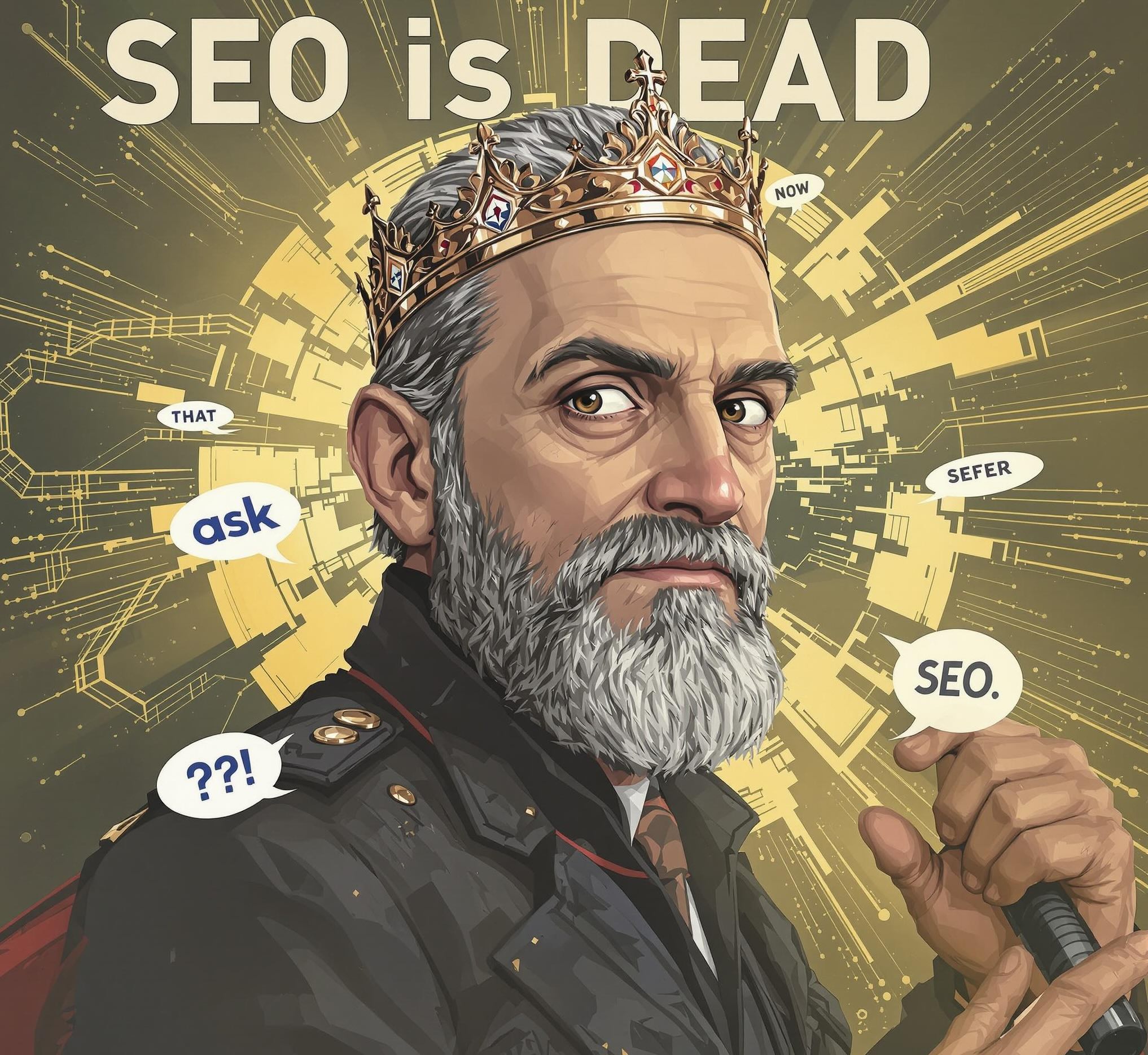
Answer Engine Optimization (AEO) is the discipline of structuring content so AI assistants, voice search, and answer engines surface it as the direct answer — not just one of ten blue links.
Answer Engine Optimization (AEO) — sometimes called Ask Engine Optimization — is the discipline of structuring web content so that AI assistants, voice search systems, and answer engines surface it as the direct answer to a question. Where traditional SEO competes for a position on a list of ten blue links, AEO competes for a single answer slot: a featured snippet, an AI Overview citation, a voice-assistant response, or a generated summary.
The unit of visibility has changed. Instead of “we rank #3 for [keyword]”, the AEO question is: “when a user asks a question, does our content get quoted as the answer?”
The shift is driven by Google’s AI Overviews, Perplexity, ChatGPT Search, Bing Copilot, and voice assistants (Siri, Alexa, Google Assistant) — all of which return a synthesized answer instead of a results list. Content that wins these slots gets cited or read aloud verbatim; content that doesn’t is invisible, even when it ranks well.
Both disciplines aim for visibility, but they optimize for different surfaces:
| Dimension | SEO | AEO |
|---|---|---|
| Goal | Rank a page in the top results | Be extracted as the direct answer |
| Visibility unit | SERP position (1–10) | Featured snippet, voice answer, AI Overview citation |
| Content shape | Long-form, keyword-rich, comprehensive | Concise, structured Q&A blocks; schema-tagged |
| User interaction | User clicks through to the page | Often zero-click — answer is read in-place |
| Primary signals | Backlinks, keyword targeting, technical SEO | Structured data, natural-language phrasing, source authority |
| Query language | Short keywords (“aeo strategy”) | Conversational queries (“how does AEO work?”) |
The two are complementary. A page can rank well in SEO but never get extracted; conversely, a perfectly schema-tagged answer block needs underlying SEO authority to be considered. The strongest 2026 strategy treats them as one workflow.

Start your free trial today and see results within days.
Traditional SEO emphasized keywords, backlinks, and ranking. AEO adds two new requirements:
Schema markup (FAQ, HowTo, Article, Product) is the connective tissue: it tells the engine what role each block plays, so extraction is reliable.
Write the answer in the first sentence after a question heading. Engines extract the first 1–3 sentences below an H2/H3; bury the answer in paragraph four and you forfeit the slot. Keep core answers under 50 words. Use the inverted-pyramid structure: answer first, supporting detail after.
Voice and AI-chat queries are 2–3× longer than typed queries and almost always phrased as full questions (“how does X work?”, “what is the difference between X and Y?”). Use those phrasings as H2s and FAQ items. Tools like AnswerThePublic, AlsoAsked, and Google’s “People Also Ask” surface them.
Schema (FAQPage, HowTo, Article, Product, Organization) is what lets engines parse roles. The minimum AEO stack:
AI engines now weight source authority heavily — they cite recognizable, well-attributed sources. Publish under a clearly named, schema-linked author. Build entity associations (mention recognized organizations, link to authoritative references, claim your knowledge panel). Generic, anonymous content is filtered out.
Get latest tips, trends, and deals for free.
| Category | Tools | Use for |
|---|---|---|
| Structured-data validation | Google Rich Results Test, Schema.org Validator | Verifying FAQ/HowTo/Article markup compiles |
| Question discovery | AnswerThePublic, AlsoAsked, Google “People Also Ask” | Finding the conversational queries to target |
| AI-visibility monitoring | Profound, Otterly, Peec AI | Tracking citations in AI Overviews / Perplexity / ChatGPT |
| Content optimization | Clearscope, MarketMuse, Surfer | Aligning topical coverage with answer-engine retrieval |
| Voice-search signals | SEMrush Voice Search Toolkit | Identifying voice-query patterns |
| Performance | PageSpeed Insights, Core Web Vitals | Speed remains an AEO ranking factor |
American Eagle Outfitters rebuilt its product search around schema-rich answer blocks paired with Google Cloud’s machine-learning retrieval, lifting on-site question-match accuracy and attributing measurable revenue gains to better-answered customer queries.
Burger King’s “Whopper Detour” is a non-search example of the same principle: the campaign delivered a precise, geo-contextual answer (“get a Whopper for one cent — here’s where”) at the exact moment of intent, and turned answer-relevance into 1.5M app downloads in nine days.
Unilever standardized FAQ and Q&A structures across product pages globally, then pushed schema markup to every locale. The result: meaningful share-of-voice on Alexa and Google Assistant for category queries that previously surfaced retailers, not the brand.
The pattern across all three: tight, schema-tagged answers placed at the moment of intent, rather than long-form pages waiting to be discovered.
Three trends will shape AEO over the next 18 months:
Person schema, organizational E-E-A-T signals, and consistent entity associations across the site.The bottom line: AEO isn’t replacing SEO, but the visibility unit has changed. Pages that combine traditional SEO authority with answer-shaped content and clean schema markup win the new slots; everything else becomes invisible.
Start building smart chatbots and AI tools with FlowHunt. Experience how AEO and AI can transform your digital strategy.
Generative Engine Optimization (GEO) is the strategy of optimizing content for AI platforms like ChatGPT and Bard, ensuring visibility and accurate representati...
Learn how to optimize your content for AI providers like ChatGPT and Perplexity. Master Generative Engine Optimization (GEO) to ensure your brand is cited as a ...

Discover how AI is transforming SEO by automating keyword research, content optimization, and user engagement. Explore key strategies, tools, and future trends ...
Cookie Consent
We use cookies to enhance your browsing experience and analyze our traffic. See our privacy policy.