


Browserbase MCP
Integrate FlowHunt with Browserbase MCP Server to enable AI-powered browser automation, data extraction, screenshot capture, and multi-session web interaction t...
4 min read
AI
Browser Automation
+4

FlowHunt explores AI’s evolution from text-based models to systems navigating GUIs and browsers, performing tasks like web searches and cookie handling, with insights into AI’s future in human-computer interaction.
The conversation started by highlighting the incredible progress from text-based processing to AI systems capable of using computers like humans. Gone are the days when AI was only about processing language; now, with advancements in large language models and AI automation, systems are learning to click, type, and scroll—mirroring real-world computer usage.
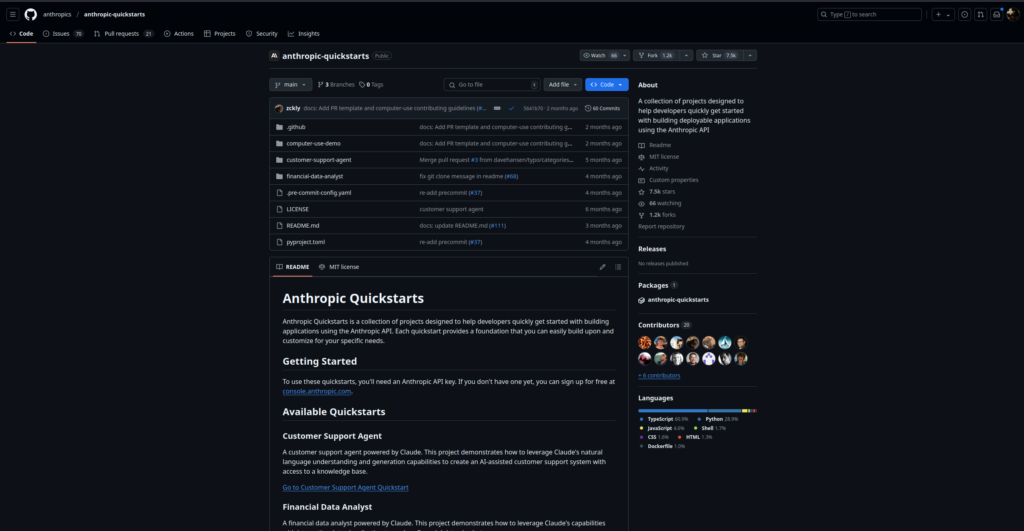
FlowHunt’s experiments show just how sophisticated AI is becoming. Instead of merely writing code, systems like Anthropic’s Claude are now being trained to interact with computer graphical user interfaces (GUIs). Whether it’s calculating a simple arithmetic problem on a digital calculator or handling cookie pop-ups during web navigation, these AI models are taking on everyday tasks and overcoming real-world hurdles.
In the podcast, the FlowHunt team explained how they put AI through its paces using interactive computer tests. For example, when testing Claude’s computer use skills, the AI was tasked with common tasks such as using a calculator and searching the web—challenges that typically reveal its limitations. Despite scoring around 70 compared to a human average of 75, the trial exposed essential learning curves linked to limited API access and other computational restraints.
These experiments underscore the importance of reliable access to the right tools. When the AI ran into unexpected issues, like getting stuck at cookie pop-ups, it became clear that for AI to function efficiently, it must adapt to dynamic environments where screen layouts and user interfaces change rapidly. Emphasizing keywords such as “AI computer interface” and “GUI automation ” helps underline the sophistication of these new AI capabilities.

Start your free trial today and see results within days.
A significant part of the discussion focused on examining how different AI models manage real-world tasks. The FlowHunt team benchmarked Anthropic’s Claude and models from OpenAI in scenarios such as searching for cheap flights online—a task that simulates how travel agents work.
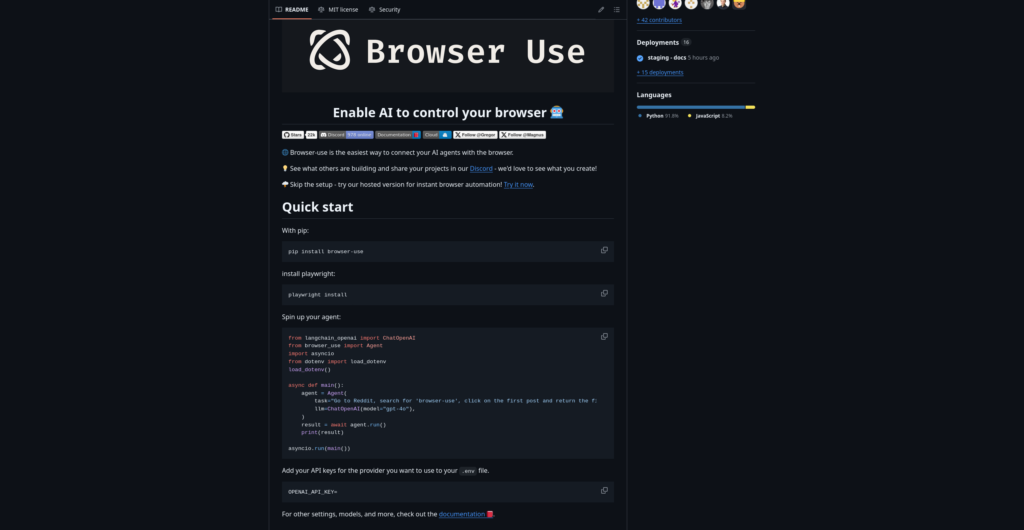
The OpenAI model showcased a robust ability to navigate Google search results and handle interactive elements like cookie consent dialogs, proving its competence in browser automation. However, it also encountered challenges in bypassing anti-bot measures, highlighting the evolving “arms race” between AI systems and website security protocols.
Meanwhile, Anthropic’s model adopted a more cautious and deliberate approach, weighing priorities before taking action. This behavior suggested a more human-like reasoning process, though it eventually too faced stumbling blocks, particularly during the final booking steps. Keywords like “AI reasoning models” and “browser automation” provide a clear picture of the challenges and innovations shaping this space.
The FlowHunt podcast leaves us with a powerful question: In a world where AI is increasingly capable of executing complex computer tasks and reasoning like humans, what will be our role? The potential for AI to revolutionize the way we work and interact with technology is immense, but it also calls for careful regulation, ethical guidelines, and collaborative approaches.
Now more than ever, staying curious and engaged with these technological breakthroughs—ranging from large language models to AI computer interfaces—is essential. Whether you’re a developer, researcher, or simply an enthusiast, the evolution of AI discussed in this podcast challenges us all to shape a future where technology empowers everyone.
Yasha is a talented software developer specializing in Python, Java, and machine learning. Yasha writes technical articles on AI, prompt engineering, and chatbot development.

Smart chatbots and AI tools under one roof. Connect intuitive blocks to turn your ideas into automated Flows.
Integrate FlowHunt with Browserbase MCP Server to enable AI-powered browser automation, data extraction, screenshot capture, and multi-session web interaction t...
Discover how Anthropic Computer Use enables AI to interact with computers in a human-like manner, leveraging models like Claude 3.5 Sonnet. Learn its significan...

The Browserbase MCP Server enables secure, cloud-based browser automation for AI and LLMs, allowing powerful web interaction, data extraction, UI testing, and a...
Cookie Consent
We use cookies to enhance your browsing experience and analyze our traffic. See our privacy policy.