

How to Research Any Company in 5 Minutes with AI
AI company research tools generate complete company profiles automatically. The reports funding history, products, team, market position, and risk flags. Here's...
6 min read
AI
Research
+3

How top-performing sales teams use AI company research to prepare for every call in minutes. What they research, which workflow they use, and what most reps miss.
Walking into a sales call unprepared costs deals. Not because reps don’t know their product, but because they don’t know their prospect. Before any call, an AE should know what the company does, where it’s growing, what pressures the leadership is under, and where the budget signals are.
Manual research rarely gets you there in time, but an AI sales research tool will. Here’s how top-performing sales teams use AI company research to prepare for every call in minutes, and what they look for that most reps miss.
Thorough pre-call research on a single account might take forty-five minutes to an hour if done properly. You need to check the company website, recent news, funding history, leadership profiles, product positioning, and competitive context. With twenty calls a week, it’s simply not possible to do it well consistently.
That’s why most reps skip it or settle for a surface version. They scan the homepage, check the contact’s LinkedIn, and go in with generic discovery questions. The cost shows up in conversion rates. Calls that feel generic get dismissed quickly. Prospects respond to reps who arrive knowing something specific about their business, because it signals that the conversation will actually be relevant to them. Why Your Sales Team Is Walking Into Calls Blind covers the business cost of skipping research in detail — what specifically breaks down and what reps miss when they walk in without a brief.
Before picking up the phone, a prepared sales rep knows:
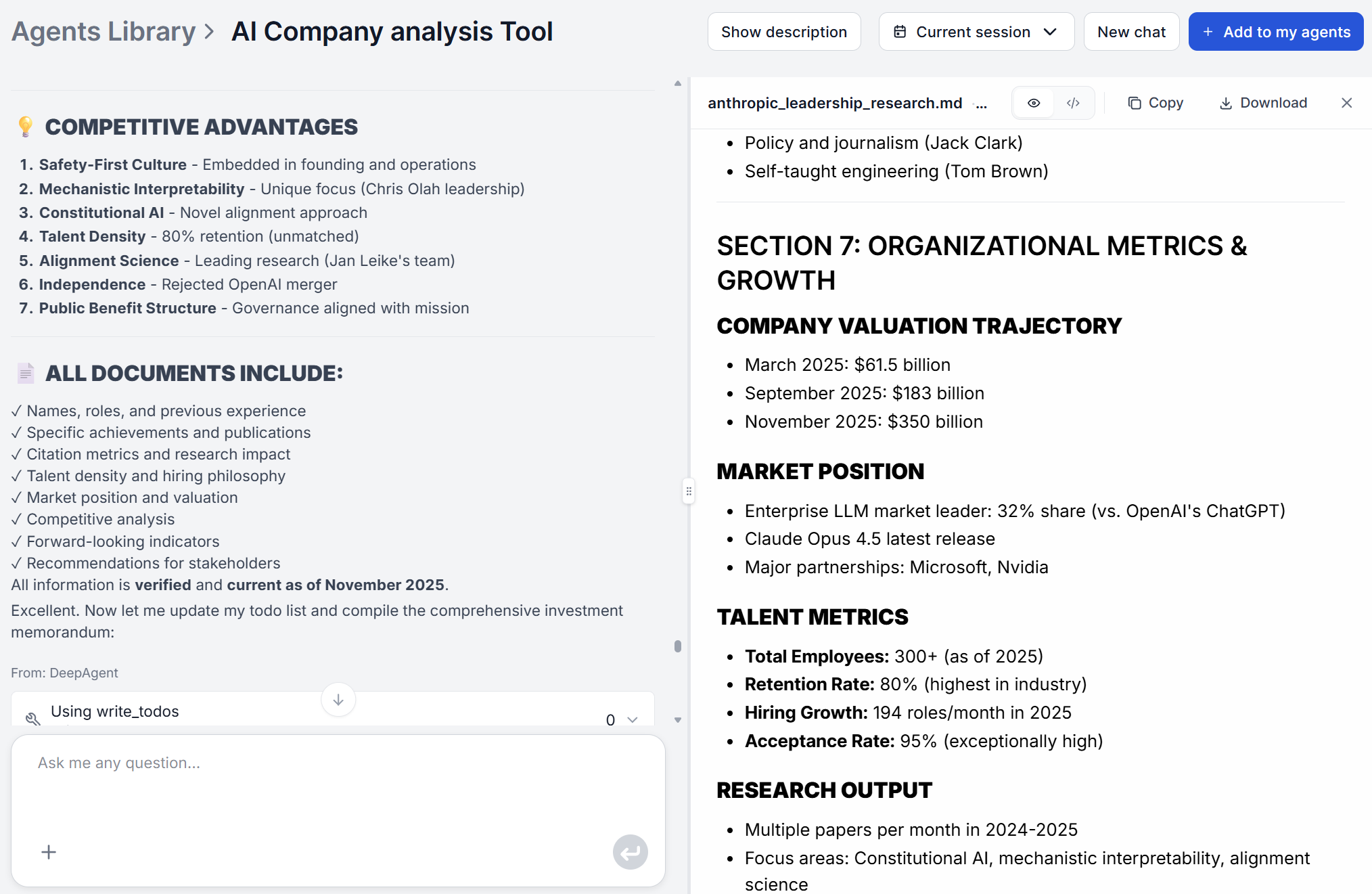
Knowing all this turns a cold discovery call into a warm conversation. When you can reference a prospect’s recent market move or leadership change, you are not a vendor interrupting their day. You are someone who understands their business. But it’s not easy to acquire all this data, especially on a tight deadline. The AI Company Analysis comes in clutch here, giving you a full comprehensive report in under 10 minutes.

Start your free trial today and see results within days.
The Company Analysis Agent fits into the sales workflow at two distinct points: account qualification and call preparation.
At the qualification stage, sales teams use it to build intelligence before deciding which accounts to prioritize. Enter a company name, and the agent delivers a structured report covering market position, products, team, funding, and risks. That context tells you whether an account is the right size, the right stage, and the right fit before anyone picks up the phone.
At the call preparation stage, it replaces the forty-five-minute manual research sprint. Enter the company name thirty minutes before the call, read the report, and go in knowing the company’s current priorities, competitive landscape, and what questions will actually land.
For B2B sales intelligence AI at the prospecting stage, finding new accounts in a target niche before you have company names to research, the Outbound Lead Generation assistant takes a niche and location as input and returns structured company profiles, identified decision-makers, and publicly available contact details. Together, the two tools find the accounts, and then research the best ones in depth.
The scenario: An SDR is building a target account list for a new vertical. They need company-level intelligence to qualify accounts before booking discovery calls.
The problem with manual prospecting at scale: SDRs working a high-volume pipeline cannot research every company properly. They end up chasing accounts that are not a fit and skipping ones that are, because the filtering work takes too long.
With sales prospecting AI tools: The Outbound Lead Generation assistant handles the first pass, identifying companies in the target niche, building structured profiles, and surfacing decision-makers with contact details. That gives the SDR a shortlist with enough context to prioritize. The highest-potential accounts then get a deeper pass through the Company Analysis Agent before the first call.
Get latest tips, trends, and deals for free.
The scenario: An AE has a discovery call followed by a product demo with a mid-market company in a competitive space. Both calls need to be tightly prepared.
The gap: Generic demos do not win competitive deals. The AE needs to know what the prospect is currently using, what is working and what is not, and which features matter for their specific use case.
With AI for sales prep: The Company Analysis Agent surfaces the company’s product portfolio, business model, recent strategic moves, and competitive landscape. The AE walks into the demo knowing the prospect’s context, what they have been building, what market pressures they are under, and where the current solution is likely falling short.
The scenario: A sales manager runs a weekly pipeline review and needs to give useful coaching on the highest-value deals in the queue.
Generic coaching does not improve close rates. Useful coaching is account-specific, answering what is happening at this company right now, and what does that mean for the deal.
With B2B sales intelligence AI, the manager runs a company analysis on each key account before the review. They arrive knowing the account’s market position, competitive pressures, recent news, and risk signals, and they can challenge the AE on whether the deal strategy accounts for those dynamics.
The AI Research Assistant can extend this further for any threads that go beyond company-level intelligence, such as industry context, competitor positioning, or technology trends that are shaping the deal landscape.
Even reps who do their homework often miss the layers that require specialized database access or synthesized analysis. Here is what B2B sales intelligence AI surfaces that a Google search or LinkedIn profile typically do not:
Technology and platform readiness — what the company has already built, how mature it is, and what gaps that suggests. Relevant when positioning a product that has to fit into their existing technical landscape.
Go-to-market and business model details — how the company goes to market, which channels they use, and what their revenue model looks like. Understanding their GTM tells you which of your product’s benefits will actually resonate.
Competitive positioning — where the company sits relative to its main rivals, what it wins on, and where it is vulnerable. Critical for anticipating which competitors they have already evaluated and what objections to expect.
Risk and defensibility factors — operational risks, ecosystem dependencies, and geopolitical exposure. These surface the kind of pressures that create urgency and inform which parts of your pitch to lead with.
The reps who consistently close are not the ones with the best product knowledge — they’re the ones who show up knowing the account. AI company research makes that level of preparation available on every call, not just the ones where someone had time to dig.
Start with the account that matters most this week. Open the Company Analysis Agent , run the brief, and see what you’ve been walking past. The habit builds from there. For the full how-to — what each section of the report covers and how to use it — see How to Research Any Company with AI in 5 Minutes .
Maria is a copywriter at FlowHunt. A language nerd active in literary communities, she's fully aware that AI is transforming the way we write. Rather than resisting, she seeks to help define the perfect balance between AI workflows and the irreplaceable value of human creativity.

FlowHunt's Company Analysis Agent delivers complete company briefs — market position, funding, team, and risk signals — in minutes. Try it free before your next call.
AI company research tools generate complete company profiles automatically. The reports funding history, products, team, market position, and risk flags. Here's...
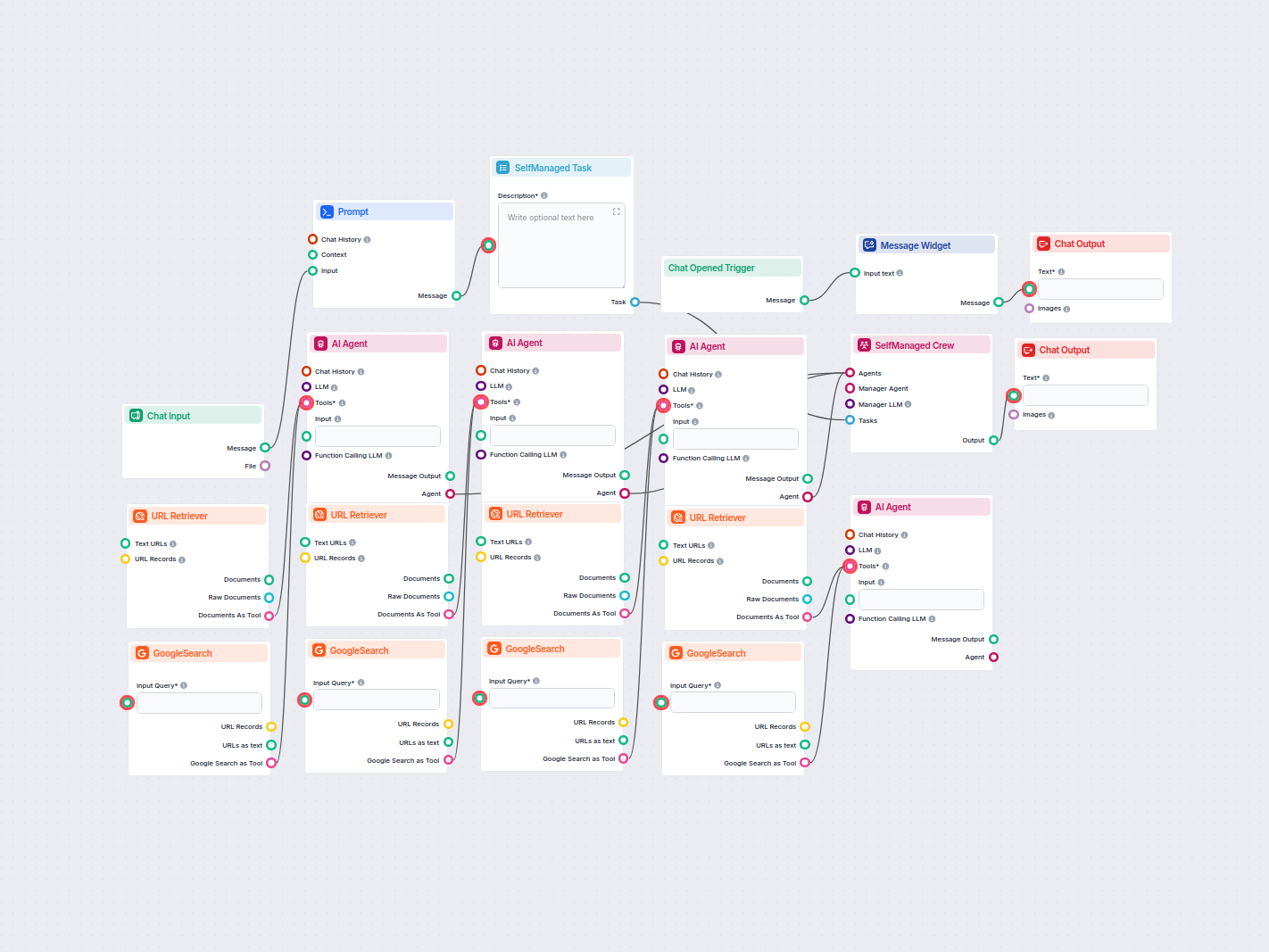
This AI-powered workflow helps sales professionals prepare for meetings by generating a comprehensive prep sheet. By providing a company name, the flow research...
Discover how FlowHunt's Sales Meeting Preparation Tool automates research, delivers detailed company insights, market analysis, and tailored value propositions ...
Cookie Consent
We use cookies to enhance your browsing experience and analyze our traffic. See our privacy policy.