The Tipping Point: When Bots Became the Majority
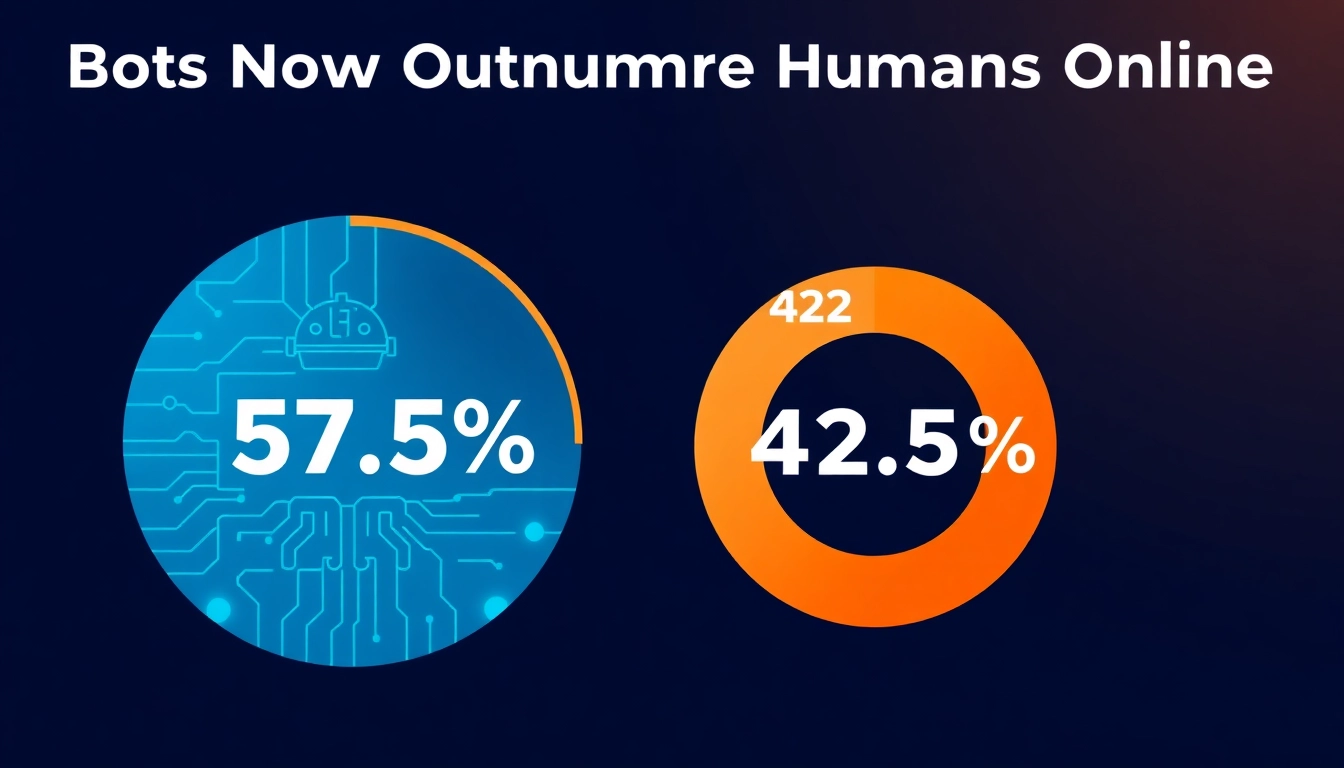
For decades, the internet was built by humans, for humans. But that era has quietly ended. According to Cloudflare’s latest Internet Intelligence Report, bots now represent 57.5% of all internet traffic, while humans account for just 42.5%. This historic inflection point marks a fundamental shift in how the internet operates—and what it means for your business.
This isn’t a dystopian scenario from a sci-fi movie. It’s the inevitable result of automation, AI agents, and the economic logic of scale. And if you’re not already leveraging AI agents to compete in this bot-dominated landscape, you’re falling behind.
What Agentic AI Actually Means
“Agentic AI” sounds abstract, but the concept is simple: these are AI systems that can act independently on the internet, making decisions, following links, collecting information, and completing tasks without constant human supervision.
Think of it this way:
- Chat-based AI: You ask a question, it answers, and you stay in control of each step.
- Agentic AI: The system decides what to search, which sources to inspect, when to take action, and how to synthesize the result.
These agents are not browsing for entertainment. They are working. They crawl websites, scrape data, benchmark systems, monitor competitors, test vulnerabilities, gather research, and feed business workflows. Each agent creates traffic, consumes server resources, and often looks similar to regular visitor activity in analytics tools.
That is why the 8,000% growth matters. It is not just more crawler noise. It is a new class of automated worker using the web as its operating environment.
Ready to grow your business?
Start your free trial today and see results within days.
The Cloudflare Data: By the Numbers
Cloudflare’s comprehensive analysis of internet traffic reveals the scale of bot proliferation:
Traffic Breakdown
- Bot Traffic: 57.5% of all internet requests
- Human Traffic: 42.5% of all internet requests
- Growth Rate: Bot traffic growing 23% year-over-year
- Agentic AI Growth: 8,000% YoY increase in AI agent traffic
What’s Driving the Bot Explosion?
Search Engine Crawlers (beneficial bots)
- Google, Bing, and other search engines continuously crawl the web
- Essential for SEO and content discovery
- Represents ~15-20% of bot traffic
Malicious Bots (harmful)
- DDoS attacks, credential stuffing, scraping
- Account for ~20-30% of bot traffic
- Cost businesses billions annually
AI Agents & Automation Bots (emerging category)
- The fastest-growing segment
- 8,000% YoY increase
- Used for content generation, data analysis, customer service, marketing automation
- Represents the future of work
Monitoring & Analytics Bots
- Uptime monitoring, performance tracking
- API testing and synthetic monitoring
- Critical infrastructure for modern applications
The Business Impact: What This Means for You
1. Marketing & Content Strategy Must Evolve
When bots outnumber humans, traditional marketing metrics become misleading:
- Website Traffic: Your 10,000 monthly visitors might only include 4,250 humans
- Engagement Metrics: Bot-generated clicks inflate analytics
- Content Consumption: Bots are now major “readers” of your content
What to do:
- Focus on human-centric metrics: conversion rate, time-on-page, scroll depth
- Implement bot detection to separate real users from automated traffic
- Optimize for both human readers AND AI agents that will index/analyze your content
2. SEO & Content Discovery Are Changing
Bots now determine how content is discovered and ranked. The implications:
- AI agents crawl differently than traditional search engines
- Content structure matters more (AI agents prefer clear, semantic HTML)
- Bot-friendly content is becoming a ranking factor
- Agentic AI will increasingly summarize and reuse your content
What to do:
- Structure content for AI agent readability (clear headers, bullet points, semantic markup)
- Use schema markup to help AI agents understand your content
- Create content that AI agents will want to reference and cite
- Monitor which AI agents are accessing your content
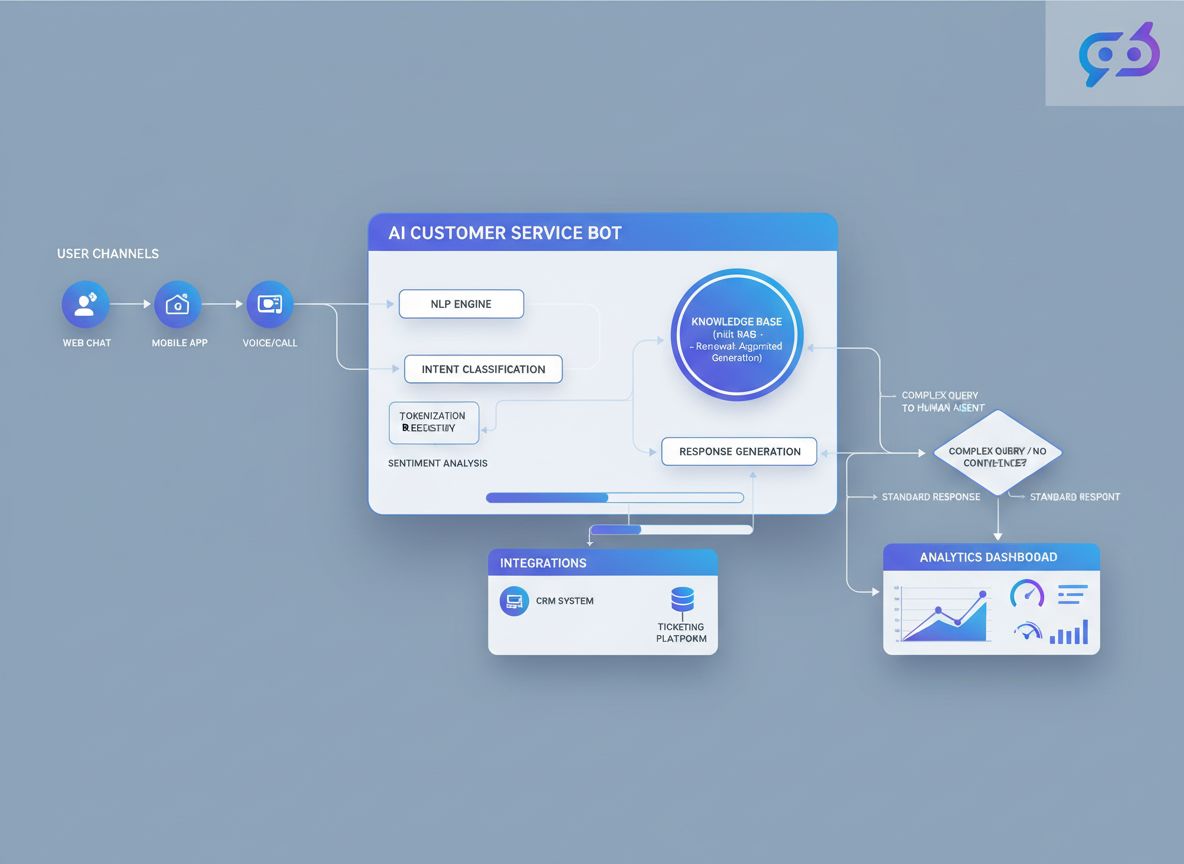
3. Customer Service & Support Are Being Automated
With 8,000% YoY growth in AI agents, automation is exploding:
- Customer support: AI agents handling 60-70% of support tickets
- Sales: AI agents qualifying leads and scheduling meetings
- Content creation: AI agents generating product descriptions, social posts, emails
- Data analysis: AI agents analyzing customer behavior and generating insights
What to do:
- Implement AI agents for routine, high-volume tasks
- Train your team to work alongside AI agents, not against them
- Use AI agents to scale operations without proportional headcount growth
- Focus human effort on complex, high-value interactions
4. Internet Monetization Is Being Disrupted
As bots increase and humans decrease as a percentage of traffic:
- Ad networks struggle to monetize bot traffic
- CPM rates decline when audiences include 57% bots
- Fraud detection costs increase (identifying malicious bots)
- New monetization models emerge (API access, data licensing, premium human-only experiences)
The modern web economy was built around a simple assumption: traffic represents human attention. Publishers sell impressions, advertisers pay for clicks, affiliate sites monetize referrals, and ecommerce teams optimize for human buyers. That assumption breaks when most requests come from automated systems.
A publisher can see traffic rise while revenue falls, because bots:
- Do not click ads with buying intent
- Do not subscribe to newsletters
- Do not buy products
- Do not generate affiliate commissions
- Still consume bandwidth, compute, and analytics capacity
This is why “total traffic” is becoming a weaker business metric. Companies increasingly need bot-adjusted analytics: human sessions, human conversion rate, revenue per verified visitor, and known-beneficial crawler activity.
What to do:
- Diversify revenue streams beyond ads
- Focus on human-quality traffic over volume
- Implement strong bot detection and fraud prevention
- Consider premium “human-verified” content/services
- Evaluate whether high-value bot access should move to APIs, data licensing, or paid crawling agreements
Join our newsletter
Get latest tips, trends, and deals for free.
Key Takeaway: Adapt or Be Left Behind
The bot takeover isn’t a threat—it’s an opportunity. The businesses winning in 2026 are those that:
- Leverage AI agents to automate routine work
- Optimize for AI agent readability alongside human users
- Focus on human-quality interactions as a competitive advantage
- Measure what matters: conversion, revenue, customer lifetime value
- Build AI-native products and services that scale without proportional cost increases
The internet hasn’t become less human. It’s become more intelligent. And that intelligence is powered by bots and AI agents that handle the repetitive, high-volume work humans used to do manually.
5 Actionable Points to Get Started Today
1. Audit Your Bot Traffic
- Use tools like Cloudflare, Google Analytics 4, or Semrush to identify bot vs. human traffic
- Separate malicious bots from beneficial crawlers and AI agents
- Establish a baseline for your current bot-to-human ratio
- Set up alerts for unusual bot activity
2. Implement AI Agents for High-Volume Tasks
- Identify 3-5 repetitive processes in your business (customer support, data entry, content generation)
- Start with one pilot project using FlowHunt or similar no-code AI agent platform
- Measure time savings and cost reduction
- Scale to other departments once proven
3. Optimize Content for AI Readability
- Audit your website’s semantic HTML structure
- Add schema markup (JSON-LD) for products, articles, FAQs
- Use clear headers (H1, H2, H3) and bullet points
- Ensure your content is machine-readable, not just human-readable
4. Separate Human Traffic from Bot Traffic in Analytics
- Create custom segments in Google Analytics 4 for human users only
- Set up bot filtering rules to exclude known bots
- Track human-specific metrics: conversion rate, engagement time, revenue per human visitor
- Use these cleaner metrics for business decisions
5. Build a Bot Strategy for Your Business
- Define which bots you want to encourage (search engines, beneficial crawlers)
- Implement defenses against malicious bots (DDoS protection, rate limiting)
- Decide how to leverage AI agents in your operations
- Create a 12-month roadmap for AI agent implementation across your business
The Future: A Bot-Powered Internet
By 2027, bots will likely exceed 60-65% of internet traffic. The trend is clear and accelerating. But this isn’t a problem to solve—it’s a reality to embrace.
The next phase of the web will likely include:
- Authentication and verification: Premium products, communities, and content will rely more on verified human access.
- Bot-aware analytics: Teams will separate human users, beneficial bots, AI agents, and malicious automation by default.
- New access models: Publishers and SaaS companies will experiment with API access, data licensing, and paid bot usage.
- More selective blocking: Sites will block bots that create cost without value while still welcoming search engines, AI partners, and approved agents.
The winners will be those who:
- Understand bot traffic and optimize for it
- Deploy AI agents to stay competitive
- Maintain human quality as a differentiator
- Adapt their business model to the new internet reality
The bot revolution is here. The question isn’t whether bots will outnumber humans—they already do. The question is: Will you use them to build your competitive advantage?
Get Started with FlowHunt
Ready to harness the power of AI agents? FlowHunt makes it easy to build, deploy, and scale AI agents without code. Start automating your business today.
Start Your Free Trial →