


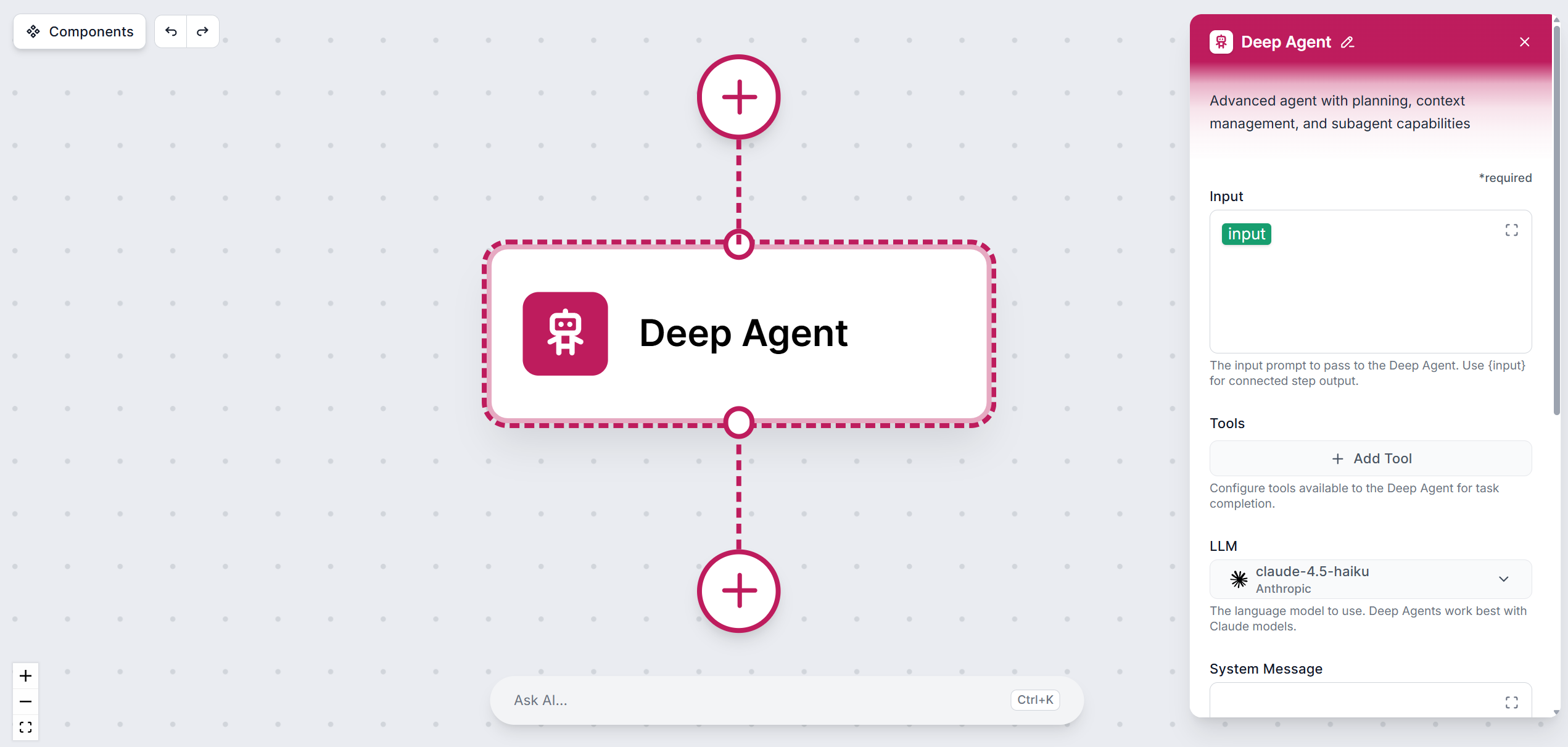
Deep Agent
Learn how to build and configure Deep Agents in FlowHunt — autonomous, multi-step agents capable of complex reasoning, iterative tool use, and long-horizon task...
7 min read
Agents
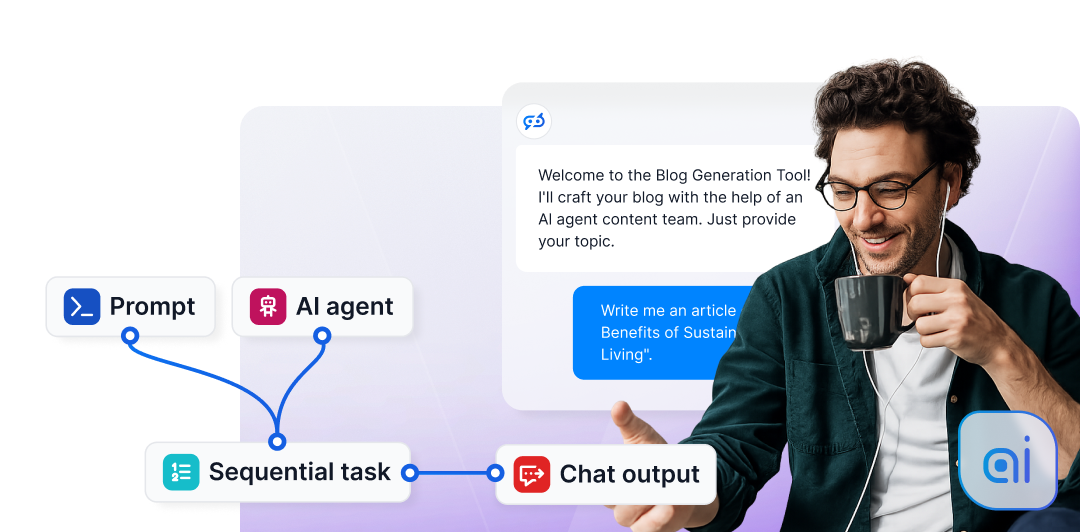
Everything you need to know about building and orchestrating AI agents in FlowHunt.
The Agents section of the knowledge base covers everything you need to know about agents in FlowHunt. You’ll learn what they are, what types of agents are available, how they work, and how to build and use them.
An AI agent is a system that can take actions to reach a goal. Instead of just generating a response, it figures out what steps are needed, uses tools to carry them out, and keeps going until the job is done.
For example, take an AI customer service chatbot: A regular chatbot will do its best to answer your questions, but may reach its limits pretty fast. It will give vague answers based only on what it already knows and may get stuck in an endless loop. Give the same task to a customer service chatbot powered by an AI agent, and it will actually browse real-time data, look up your order, change the place of delivery, or if it can’t do that, it will decide it’s time to escalate to humans instead of getting stuck in a loop.
At their core, AI agents follow a loop:
This loop is what makes agents fundamentally different from a one-shot prompt. They’re working through a problem instead of just predicting the next word. The agent will follow this loop until it either reaches it’s goal or realizes it is unable to do so.
Not all agents are the same. In FlowHunt, you’ll work with two main types:
Standard AI agents are great for well-defined tasks. You give them a goal, a set of tools, and clear instructions. They work through the task step by step and return a result. Fast, predictable, and easy to configure.
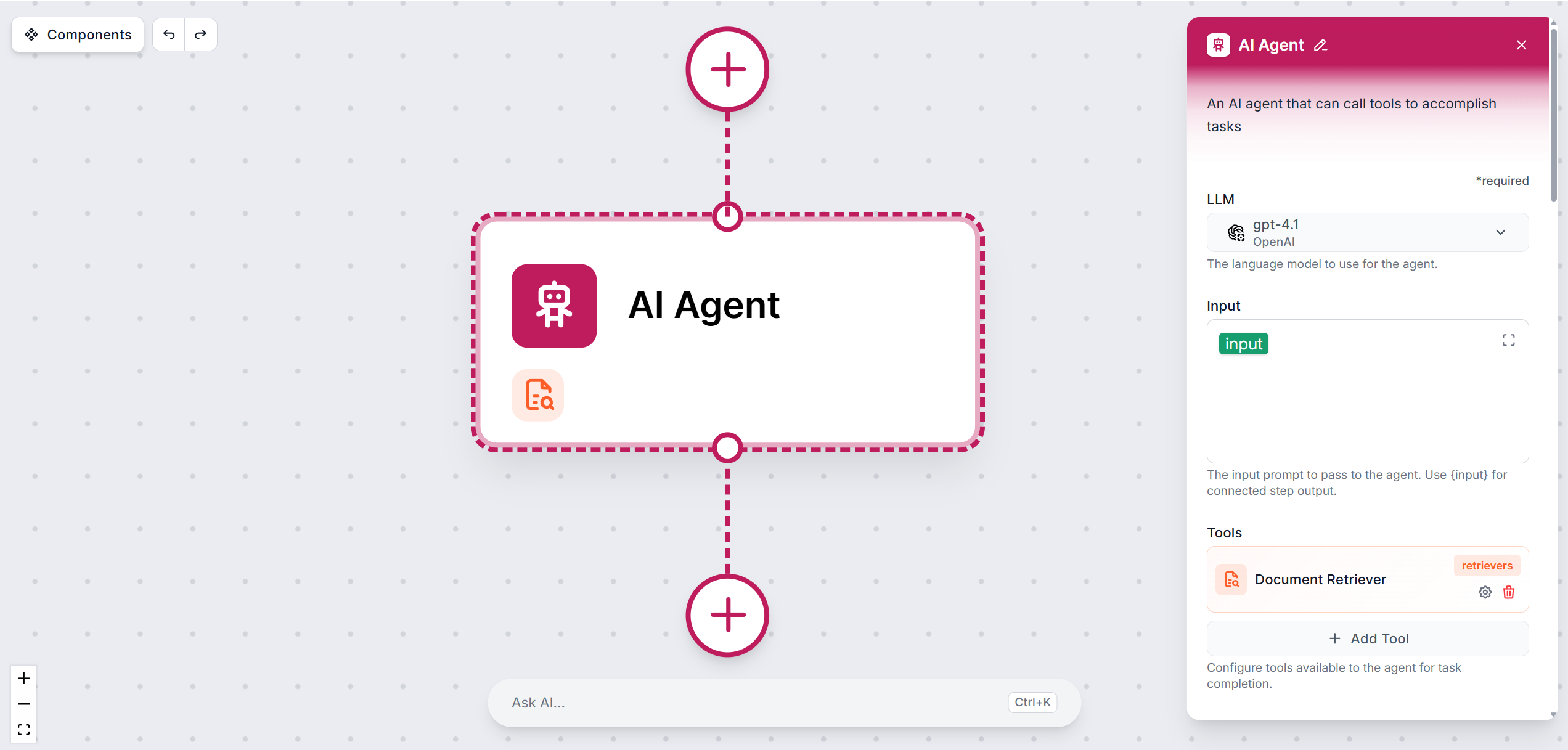
Deep agents are built for more complex or longer tasks. They can reflect on their own outputs, recognize when something isn’t working, and try a different approach. They’re better at open-ended research, complex reasoning, and tasks where the path to the answer isn’t obvious upfront.
Simple rule of thumb: if you can describe the exact steps needed, a standard agent will do. If the task requires judgment and iteration, reach for a deep agent.
Some tasks are just too big — or too varied — for a single agent. That’s where crews come in.
An agent crew is a team of specialized agents working together. Each agent has a specific role and focus. One researches, one writes, one reviews. They hand off work to each other and collaborate toward a shared goal.
FlowHunt supports two crew types:
Agents in FlowHunt can handle a wide range of real-world tasks:
The common thread: tasks that used to require a human in the loop, working through multiple steps, can now run automatically.
Stop prompting. Start deploying agents that plan, act, and deliver results.
Learn how to build and configure Deep Agents in FlowHunt — autonomous, multi-step agents capable of complex reasoning, iterative tool use, and long-horizon task...
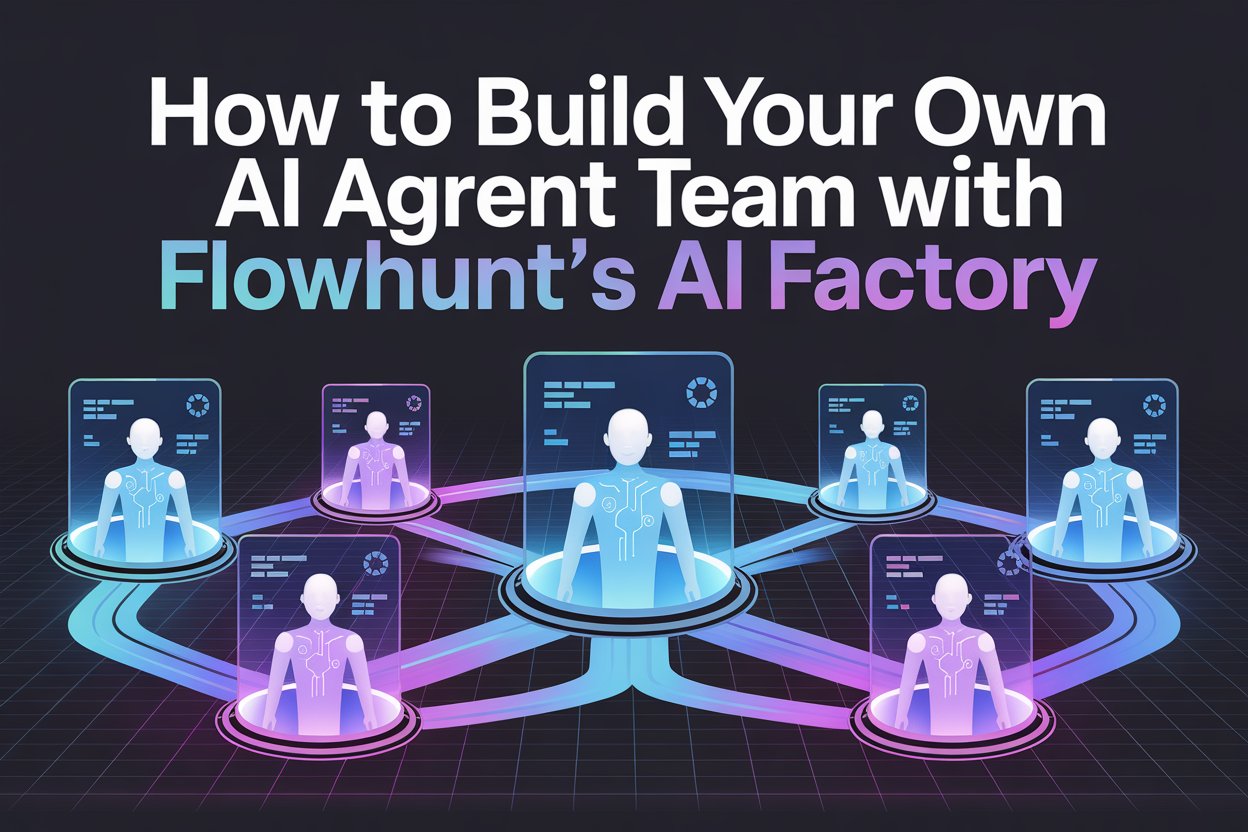
Learn how to create autonomous AI agents that work together to handle complex tasks. Build a live agent action item digest system in minutes.

New to FlowHunt? Start here. Learn the basics of building AI workflows, deploying chatbots, and connecting knowledge sources — all without writing code.
Cookie Consent
We use cookies to enhance your browsing experience and analyze our traffic. See our privacy policy.