



Botpress
Dowiedz się więcej o Botpress — platformie AI do budowy chatbotów. Poznaj jej kluczowe funkcje, zalety i wady, opcje cenowe oraz najważniejsze alternatywy, aby ...
4 min czytania
AI
Chatbots
+3

Szukasz alternatywy dla Botpress? Oto 8 najlepszych opcji w 2026 — od budowniczych chatbotów bez kodu do platform agentów AI, które wykraczają daleko poza boty oparte na regułach.
Oto jak porównują się najlepsze alternatywy dla Botpress w 2026:
| Narzędzie | Typ | NLU/AI | Samodzielny hosting | Bez kodu | Najlepsze dla |
|---|---|---|---|---|---|
| FlowHunt | Platforma agentów AI | LLM-native | Nie | Tak | Agenty AI z pełną automatyzacją przepływu pracy |
| Voiceflow | Budowniczy wizualny | LLM + NLU | Nie | Tak | Projektowanie konwersacji na wiele kanałów |
| Landbot | Budowniczy bez kodu | Podstawowy NLP | Nie | Tak | Generowanie leadów, konwersacyjne strony docelowe |
| Typebot | Budowniczy wizualny | Podstawowy | Tak | Tak | Chatboty open-source, samodzielnie hostowane |
| Dialogflow | Korporacyjne NLU | Zaawansowane NLU | Nie (GCP) | Częściowo | Korporacyjne NLU wielojęzyczne |
| Rasa | Platforma OSS | Pełna kontrola NLU | Tak | Nie | Lokalnie, niestandardowe potoki NLU |
| Tidio | Czat SMB + Bot | AI (Lyro) | Nie | Tak | E-commerce, obsługa klientów SMB |
| Intercom | Wiadomości dla klientów | LLM (Fin AI) | Nie | Częściowo | Automatyzacja obsługi klientów dla przedsiębiorstw |
Botpress to platforma konwersacyjnej sztucznej inteligencji typu open-source uruchomiona w 2017 roku, która stała się jedną z najpopularniejszych zorientowanych na deweloperów struktur chatbotów na rynku. Łączy edytor przepływu wizualnego (do projektowania ścieżek konwersacji), wbudowany silnik NLU (do rozpoznawania intencji i ekstrakcji jednostek) oraz system akcji niestandardowych oparty na JavaScript, który pozwala deweloperom dodawać dowolną logikę i wywołania API do przepływów botów.
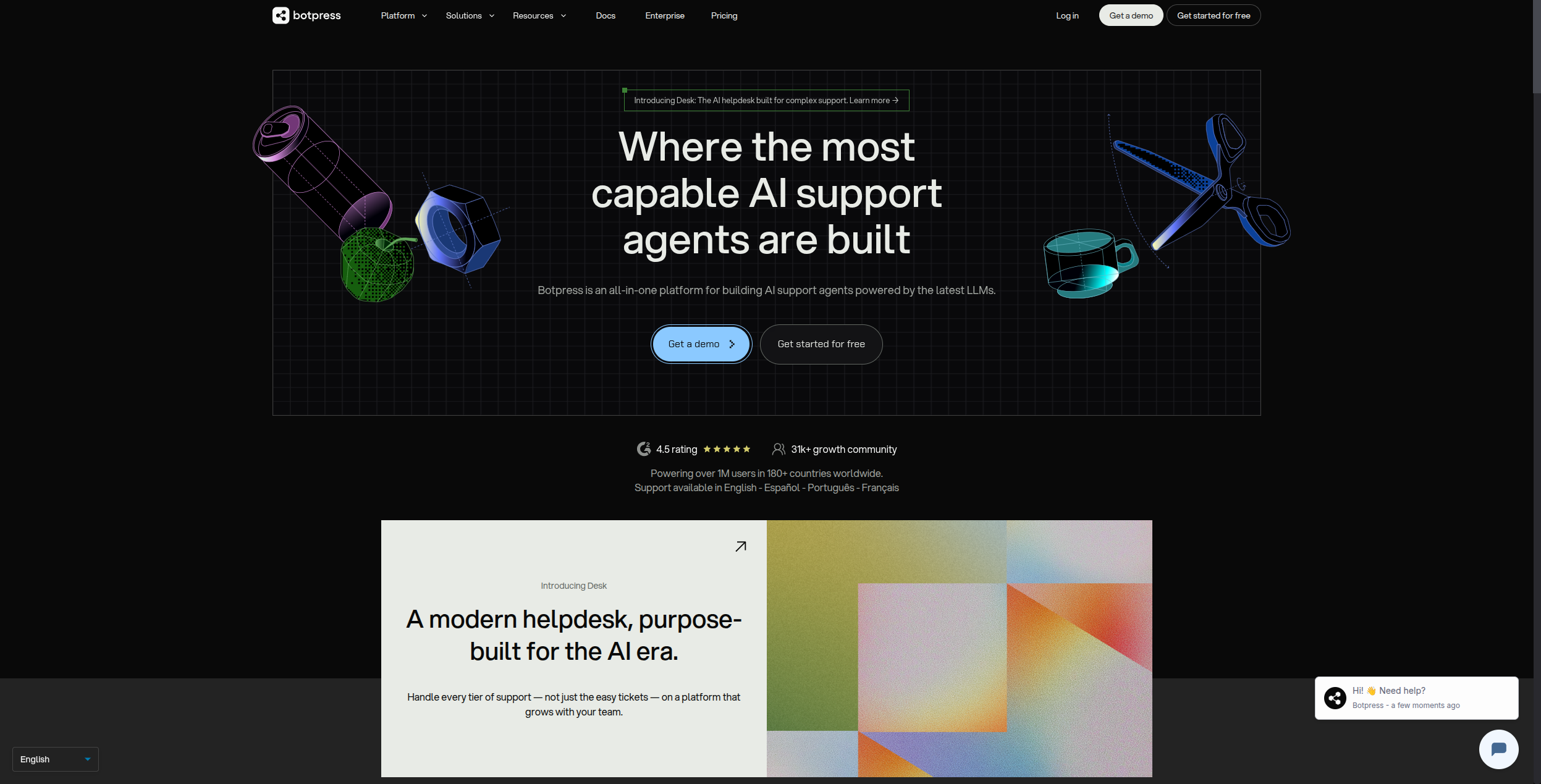
Botpress został zbudowany dla świata, w którym chatboty potrzebowały starannie opracowanych drzew decyzji i klasyfikatorów intencji. Dał deweloperom narzędzia do jawnego projektowania każdej gałęzi konwersacji — które dane wejściowe użytkownika mapują się do których intencji, które intencje wyzwalają które akcje i jak radzić sobie z przypadkami brzegowymi.
Ten model działał dobrze do 2022 roku. Ale wzrost GPT-4 i dużych modeli językowych fundamentalnie zmienił to, co jest możliwe w konwersacyjnej sztucznej inteligencji — i ujawnił ograniczenia podejścia Botpress.
Dlaczego deweloperzy szukają alternatyw dla Botpress w 2026:
Problem drzewa konwersacji. Budowanie złożonych chatbotów w Botpress wymaga zaplanowania każdej możliwej gałęzi konwersacji z góry. Gdy użytkownicy pytają coś poza przewidywanymi ścieżkami, bot zawodzi lub wraca do generycznych odpowiedzi. Platformy natywne dla LLM naturalnie obsługują konwersacje w dowolnej formie bez wcześniej zdefiniowanych drzew.
Ograniczona integracja AI. Botpress dodał funkcje LLM, ale jego architektura podstawowa jest nadal zbudowana wokół klasyfikacji intencji i zarządzania dialogiem, a nie rozumowania na pierwszym miejscu LLM. Integracja GPT-4 lub Claude do przepływu Botpress wymaga znacznego niestandardowego rozwoju.
Konfiguracja wymagająca deweloperów. Botpress wymaga umiejętności JavaScript dla niestandardowych akcji, konfiguracji infrastruktury technicznej i bieżącej konserwacji. Zespoły bez dedykowanych deweloperów mają trudności z utrzymaniem i aktualizacją swoich botów w miarę upływu czasu.
Skalowanie kosztów i złożoności. W miarę jak boty stają się bardziej złożone, drzewo dialogowe Botpress staje się coraz trudniejsze do utrzymania. Zespoły często okazują się spędzać więcej czasu na utrzymaniu botów niż na rzeczywistych ulepszeniach.
Nic z tego nie oznacza, że Botpress jest zły dla jego zamierzonego przypadku użycia. Ale w 2026 roku istnieją lepsze opcje dla prawie każdego przypadku użycia — od prostszych budowniczów bez kodu po platformy agentów AI, które czynią całe podejście oparte na drzewie decyzji przestarzałym.
FlowHunt przyjmuje fundamentalnie inne podejście niż Botpress. Gdzie Botpress prosi Cię o zaprojektowanie drzewa konwersacji, FlowHunt pozwala Ci wdrożyć agenta AI, który rozumie konwersację w dowolnej formie za pomocą LLM i podejmuje działania poprzez wizualny przepływ pracy — bez drzew decyzji.
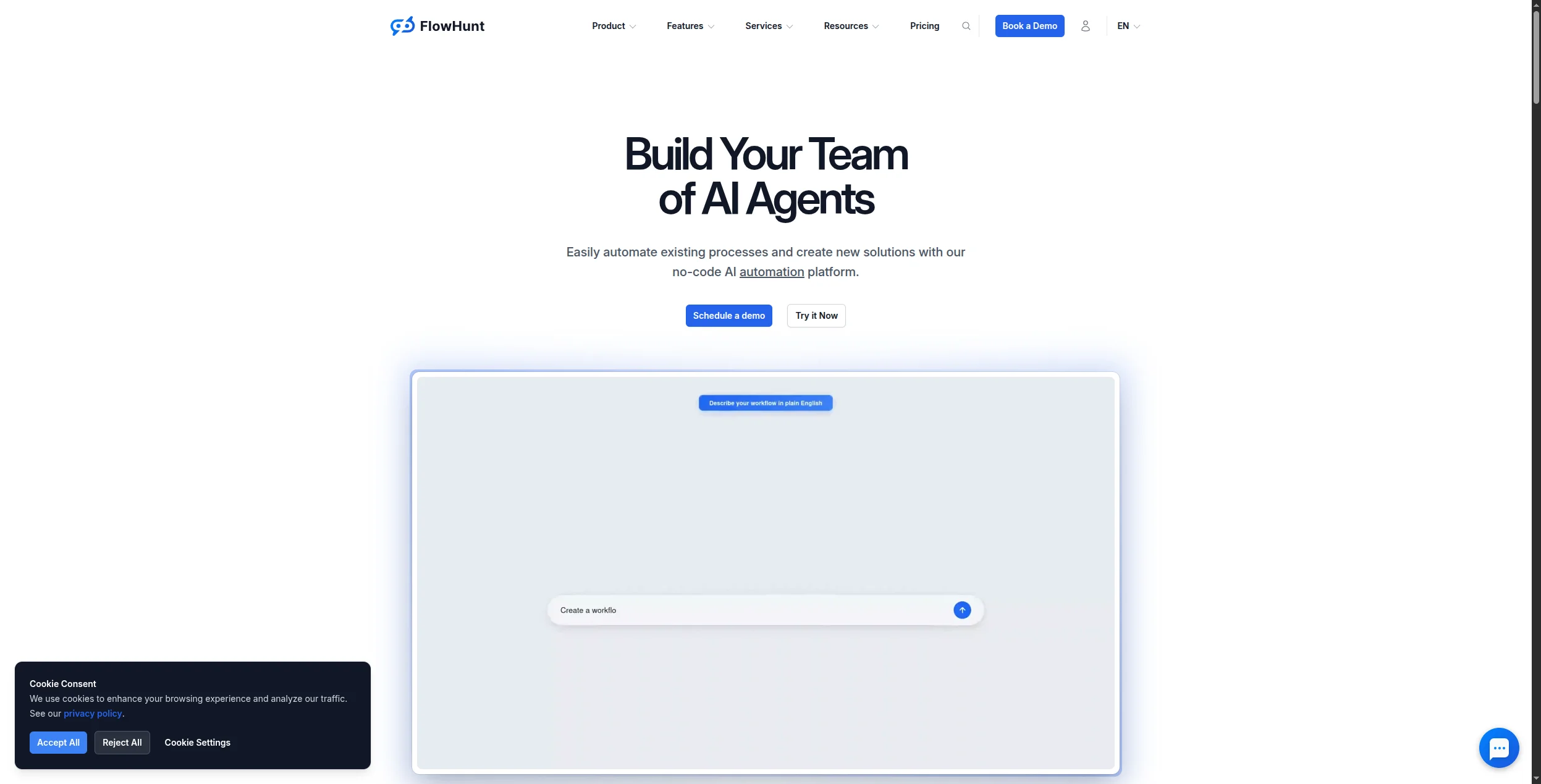
To rozróżnienie ma ogromne znaczenie w praktyce. Bot Botpress potrzebuje od Ciebie przewidzenia każdej odmiany pytania i zaprojektowania dla niej gałęzi. Agent FlowHunt czyta to, co wpisuje użytkownik, rozumie jego intencję poprzez LLM i decyduje, co robić — czy to przeszukanie bazy wiedzy, wywołanie API, wyszukanie rekordu klienta w CRM, utworzenie zgłoszenia czy przekazanie do agenta ludzkiego z pełnym kontekstem konwersacji.
Budowniczy przepływu pracy FlowHunt łączy Twojego chatbota z dowolnym systemem wewnętrznym: Twoim CRM, Twoim helpdesk, bazą danych produktów, kalendarzem, wewnętrznymi API. Agent, który może rezerwować spotkania, sprawdzać status zamówienia, przetwarzać zwroty lub eskalować skargę — wszystko w tej samej konwersacji — jest fundamentalnie zdolniejszy niż jakikolwiek bot oparty na drzewie decyzji.
Kluczowe możliwości FlowHunt poza tym, co oferuje Botpress:
Zalety: Prawdziwa zdolność agenta AI (nie tylko przepływy chatbota), nie są potrzebne drzewa decyzji, łączy się z dowolnym systemem poprzez przepływ pracy, inteligentne przekazanie do człowieka, wielokanałowy, nie wymaga kodu
Wady: Mniej odpowiedni dla przypadków użycia wymagających ścisłych skryptów konwersacji (np. branże regulowane z dokładnymi wymaganymi sformułowaniami), brak opcji samodzielnego hostowania
Najlepsze dla: Biznesów, które chcą agentów AI, którzy naprawdę rozumieją klientów i podejmują rzeczywiste działania — nie tylko kierują przepływami konwersacji.
Voiceflow jest platformą z wyboru dla zespołów produktowych i projektantów konwersacji, którzy chcą projektować, prototypować i wdrażać chatboty i agentów głosowych za pomocą profesjonalnego systemu projektowania wizualnego. Jego płótno jest czystsze i bardziej skoncentrowane na projektowaniu niż Botpress, z komponentami dla przepływów rozgałęziających, warunków, wywołań API i kroków zasilanych LLM.
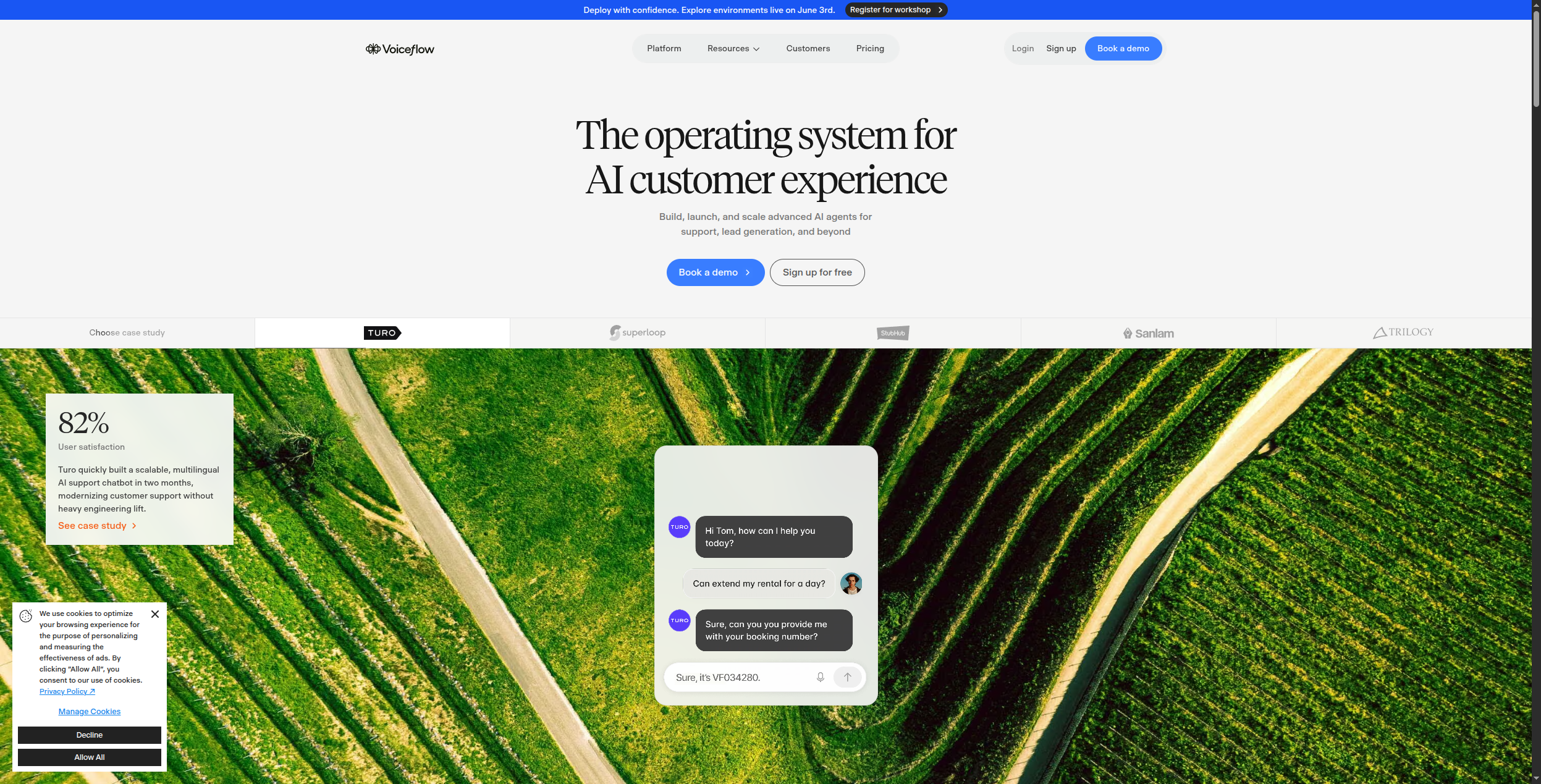
Funkcja bazy wiedzy Voiceflow (KB) pozwala na przesłanie dokumentacji i treści produktów, do których AI odwołuje się przy odpowiadaniu na pytania — podobnie do konfiguracji RAG wbudowanej w interfejs Voiceflow. Jego krok „AI Response" używa GPT-4 do generowania kontekstowych odpowiedzi na podstawie zawartości KB i historii konwersacji.
Funkcje współpracy Voiceflow (edycja w czasie rzeczywistym, komentarze, przekazanie projektu) czynią ją popularną w zespołach, w których kierownicy produktu, projektanci i inżynierowie przyczyniają się do doświadczenia bota. Platforma obsługuje wdrażanie do czatu internetowego, asystentów głosowych, WhatsApp, SMS i niestandardowych kanałów API z jednego przepływu.
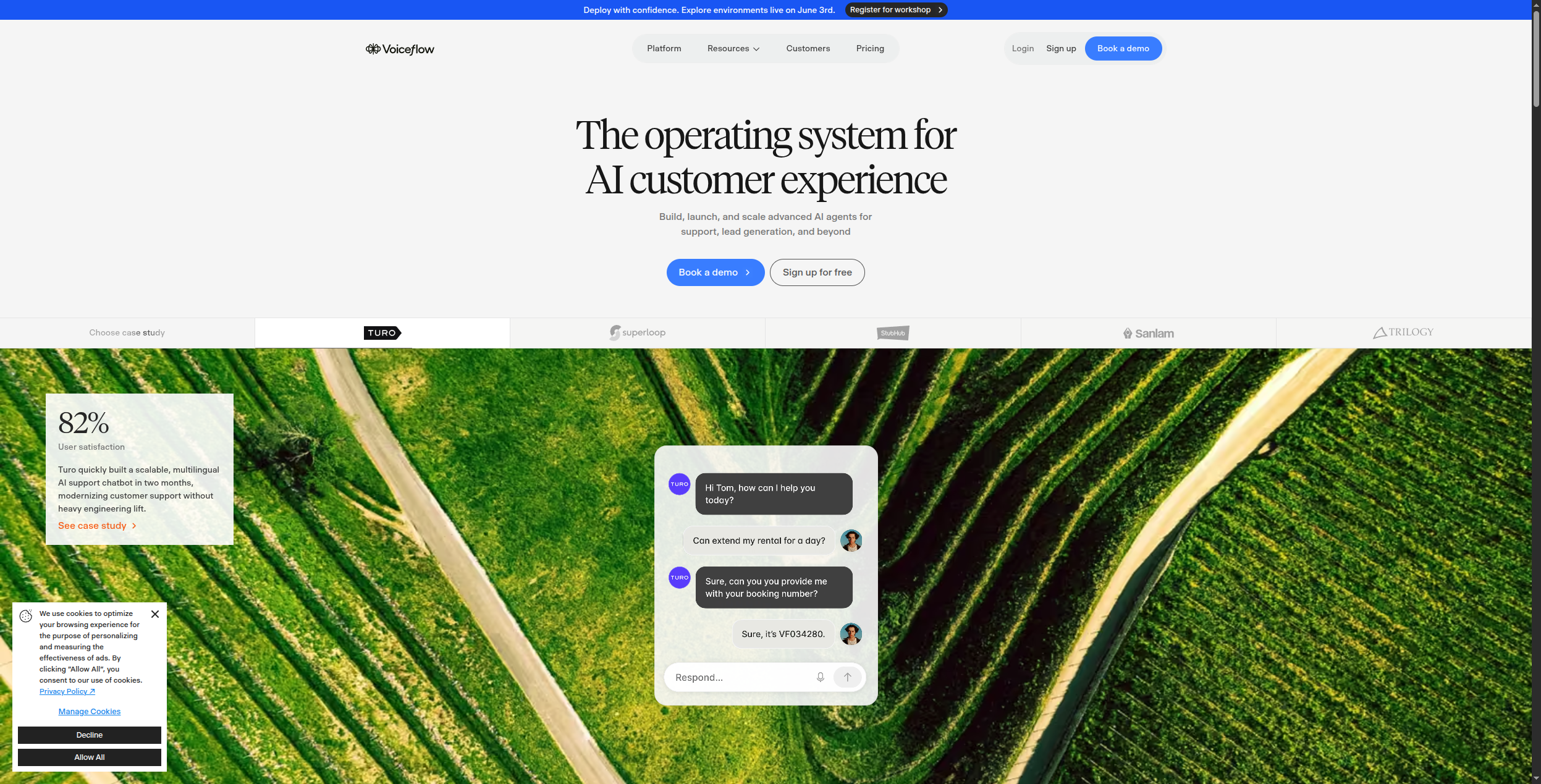
Ceny: Voiceflow przeszła na ceny dla przedsiębiorstw/oparte na użytkowaniu bez publicznych warstw — plany są cytowane na podstawie wolumenu agentów, liczby miejsc i skali wdrażania. Istnieje bezpłatna wersja próbna bez wymagania karty kredytowej. Skontaktuj się z zespołem sprzedaży w sprawie cen „Dla firm" (w pełni zarządzane, wielokanałowe) lub „Dla agencji i partnerów" (białe etykiety, zarządzanie klientami).
Kluczowe funkcje:
Zalety: Doskonały system projektowania wizualnego, silne funkcje współpracy, dobra integracja KB/RAG, wdrażanie na wiele kanałów, rosnący ekosystem integracji
Wady: Brak publicznych cen (oparte na cytacie), możliwości LLM mniej dojrzałe niż FlowHunt dla złożonego rozumowania, automatyzacja przepływu pracy ograniczona w porównaniu z platformami agentów
Najlepsze dla: Zespołów produktowych i projektantów konwersacji budujących wyrafinowane chatboty wielokanałowe, gdzie jakość projektowania i współpraca zespołu mają znaczenie.
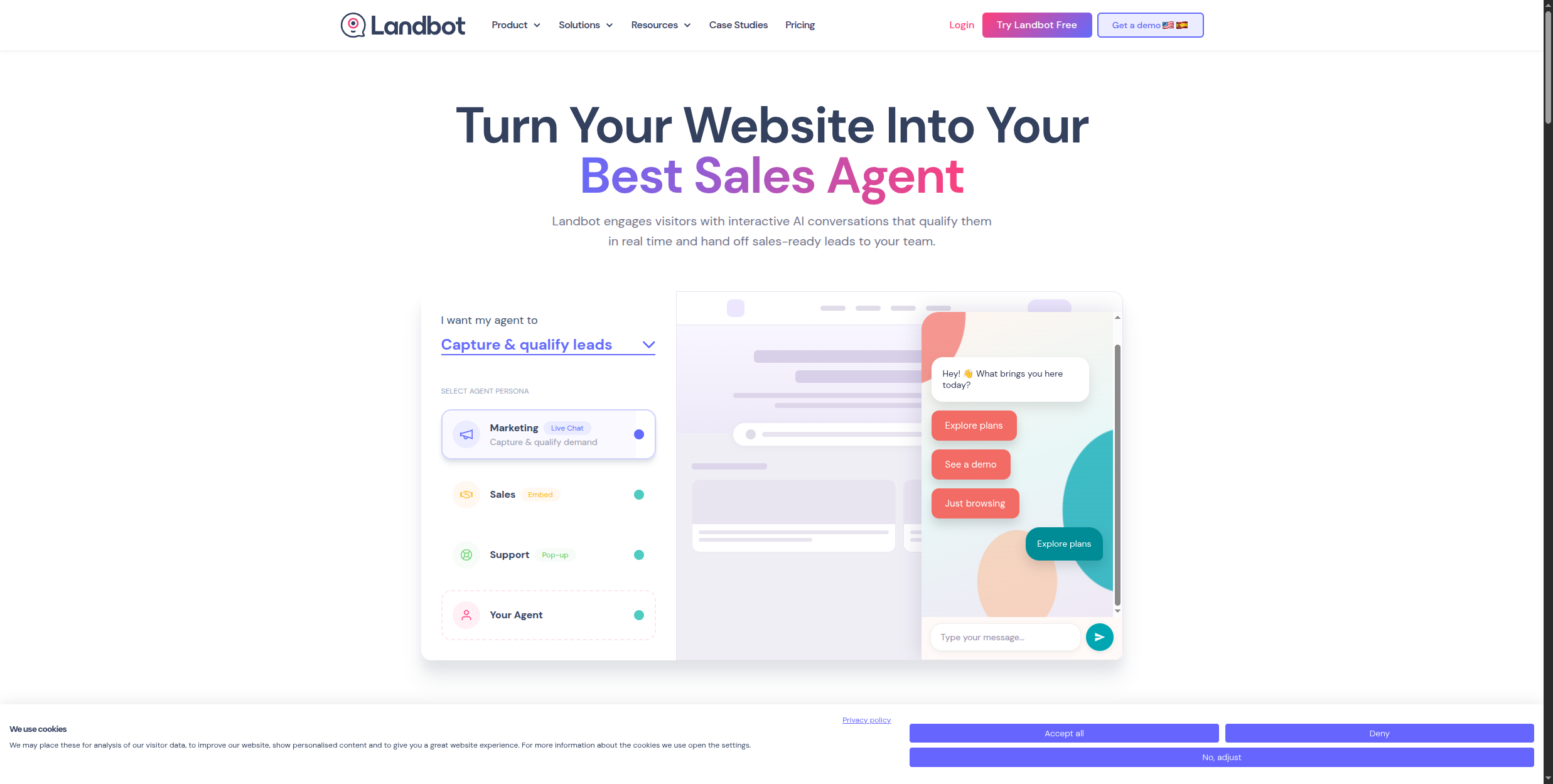
Landbot specjalizuje się w marketingu konwersacyjnym — zamieniając tradycyjne formularze internetowe w angażujące doświadczenia czatu, które dramatycznie poprawiają wskaźniki przechwytywania leadów. Jego budowniczy wizualny tworzy przepływy chatbota, które terażą się jak przyjazne konwersacje, a nie przesłuchania, z szablonami projektowania o wysokiej konwersji do generowania leadów, kwalifikacji produktów i rezerwacji demo.
Landbot integruje się z HubSpot, Salesforce, Zapier i Make, ułatwiając bezpośrednie wprowadzanie przechwyconych leadów do przepływów automatyzacji CRM i marketingu. Jego integracja WhatsApp Business API jest szczególnie silna, z certyfikacją Meta Business Partner, co czyni ją wyborem przejściowym dla firm docelowych WhatsApp jako kanału przechwytywania leadów.
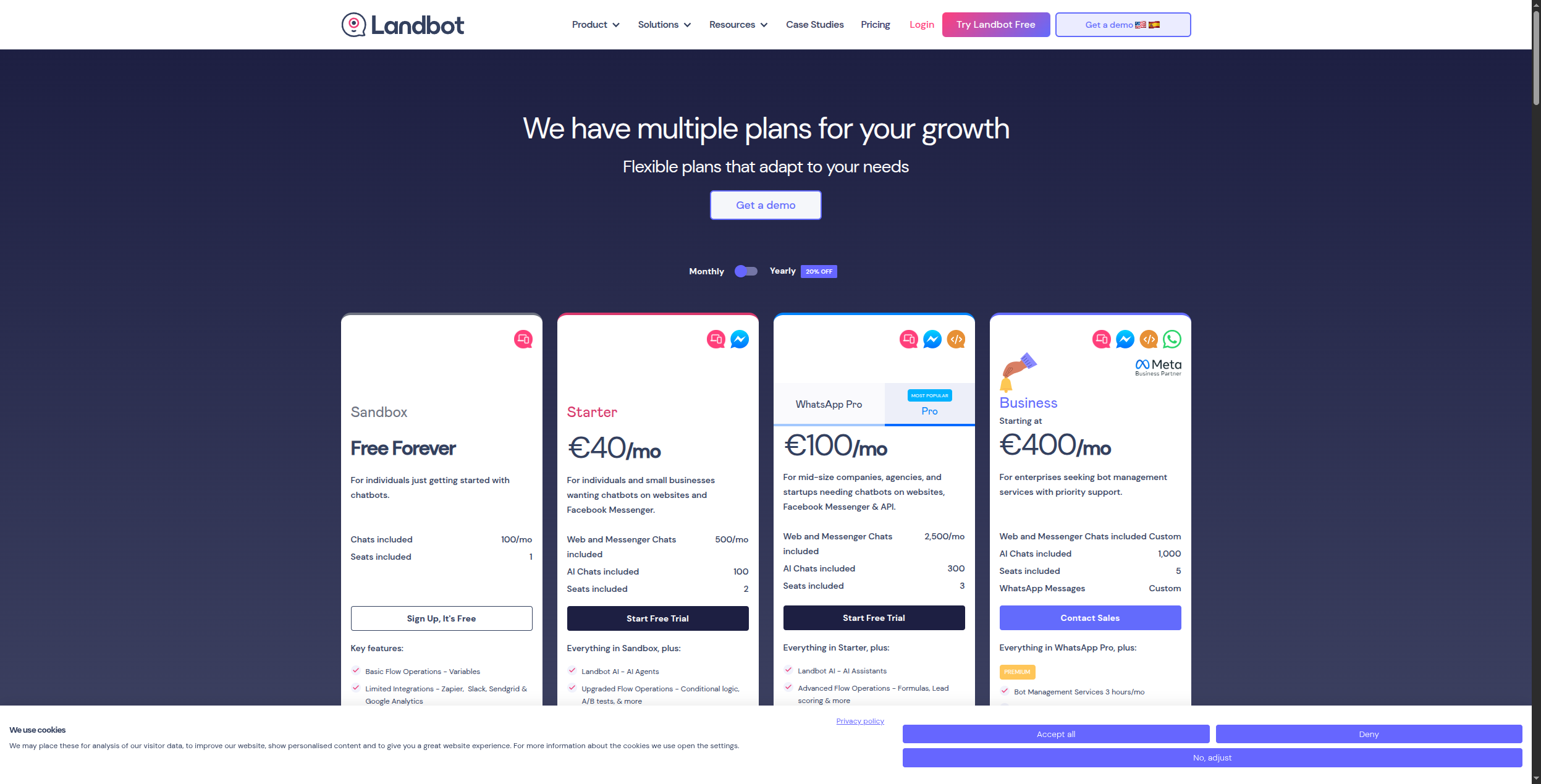
Ceny:
Kluczowe funkcje:
Zalety: Najlepsze dla przypadków użycia generowania leadów, czysty interfejs konwersacyjny, silna integracja WhatsApp, dobre integracje CRM, łatwe do skonfigurowania
Wady: Mniej potężny dla złożonych przypadków użycia obsługi lub transakcyjnych, możliwości LLM/AI podstawowe w porównaniu z FlowHunt lub Voiceflow, ceny w EUR i szybko skalują się dla wysokoobiętych użytkowników
Najlepsze dla: Zespołów marketingowych prowadzących chatboty generowania leadów, kwalifikacji i rezerwacji demo — zwłaszcza dla kanałów WhatsApp i czatu strony internetowej.
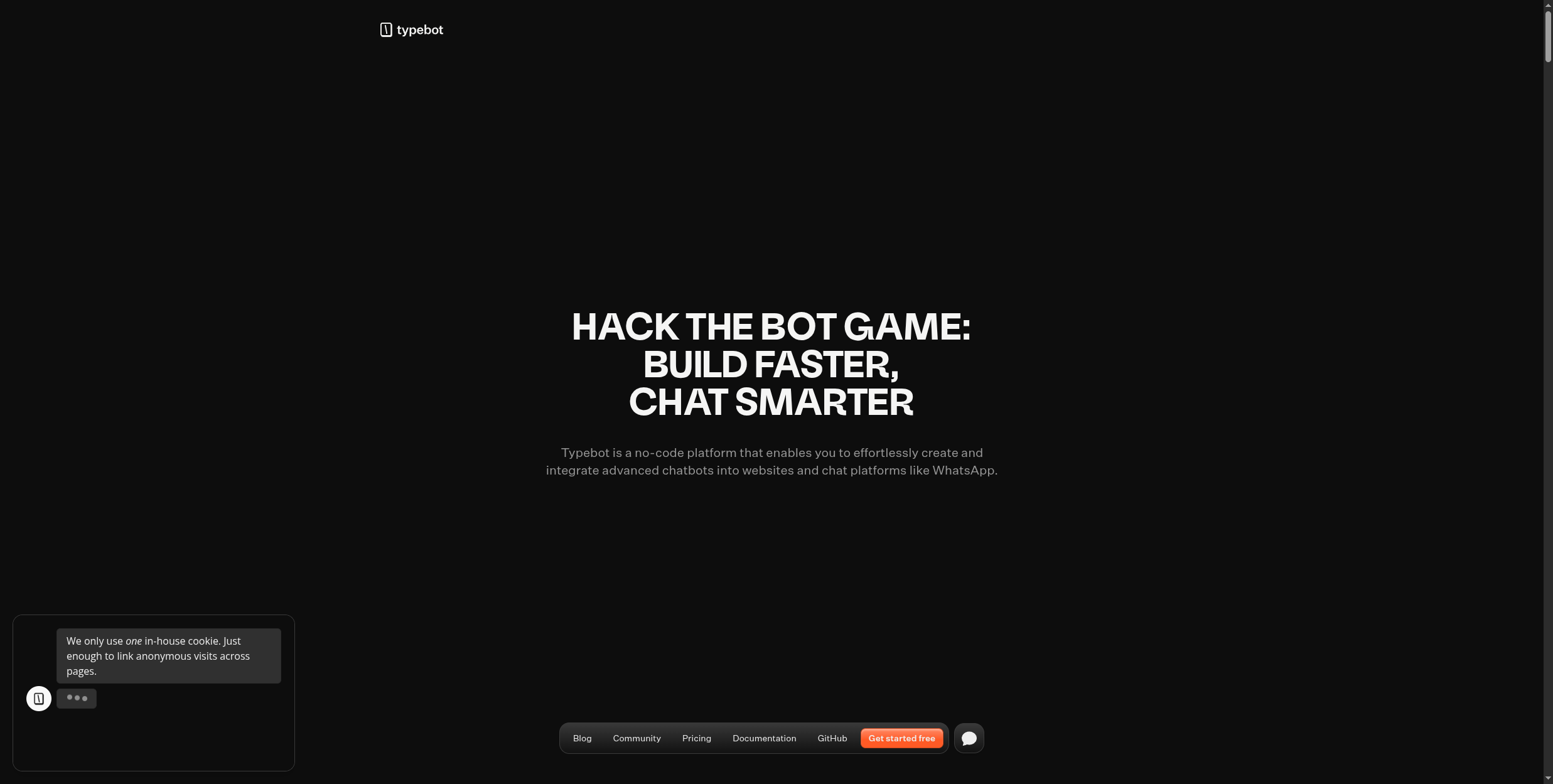
Typebot to budowniczy chatbota typu open-source z estetycznym projektem podobnym do Typeform — konwersacyjne formularze, które terażą się natywnie i nowoczesnie, a nie niezgrabnie. Jest w pełni samodzielnie hostowany (oparty na Docker), licencjonowany na MIT i bezpłatny w użytkowaniu na własnej infrastrukturze.
Mimo że jest open-source, Typebot jest zaskakująco dopracowany: obsługuje logikę warunkową, zmienne, wywołania API, niestandardowy kod i integracje z OpenAI, Google Sheets, Airtable i głównymi systemami CRM. Edytor przepływu (pokazany poniżej) organizuje kroki konwersacji w bloki — bąbelki tekstowe, pola wejściowe, warunki logiki, integracje — połączone wizualnym płótnem, które jest łatwiejsze do nawigacji niż gęsty edytor Botpress.
Ceny:
Kluczowe funkcje:
Zalety: Open-source i samodzielnie hostowany (licencja MIT), czysty nowoczesny interfejs użytkownika, konkurencyjna cena, 34+ integracje, w tym OpenAI i Anthropic, aktywna społeczność deweloperów
Wady: Mniej potężny NLU niż Rasa lub Dialogflow, tylko wsparcie społeczności na bezpłatnej warstwie, mniej funkcji klasy korporacyjnej niż platformy komercyjne
Najlepsze dla: Deweloperów i zespołów technicznych, które potrzebują budowniczego chatbota samodzielnie hostowanego z dobrym UX i nie chcą płacić cen chmury Botpress.
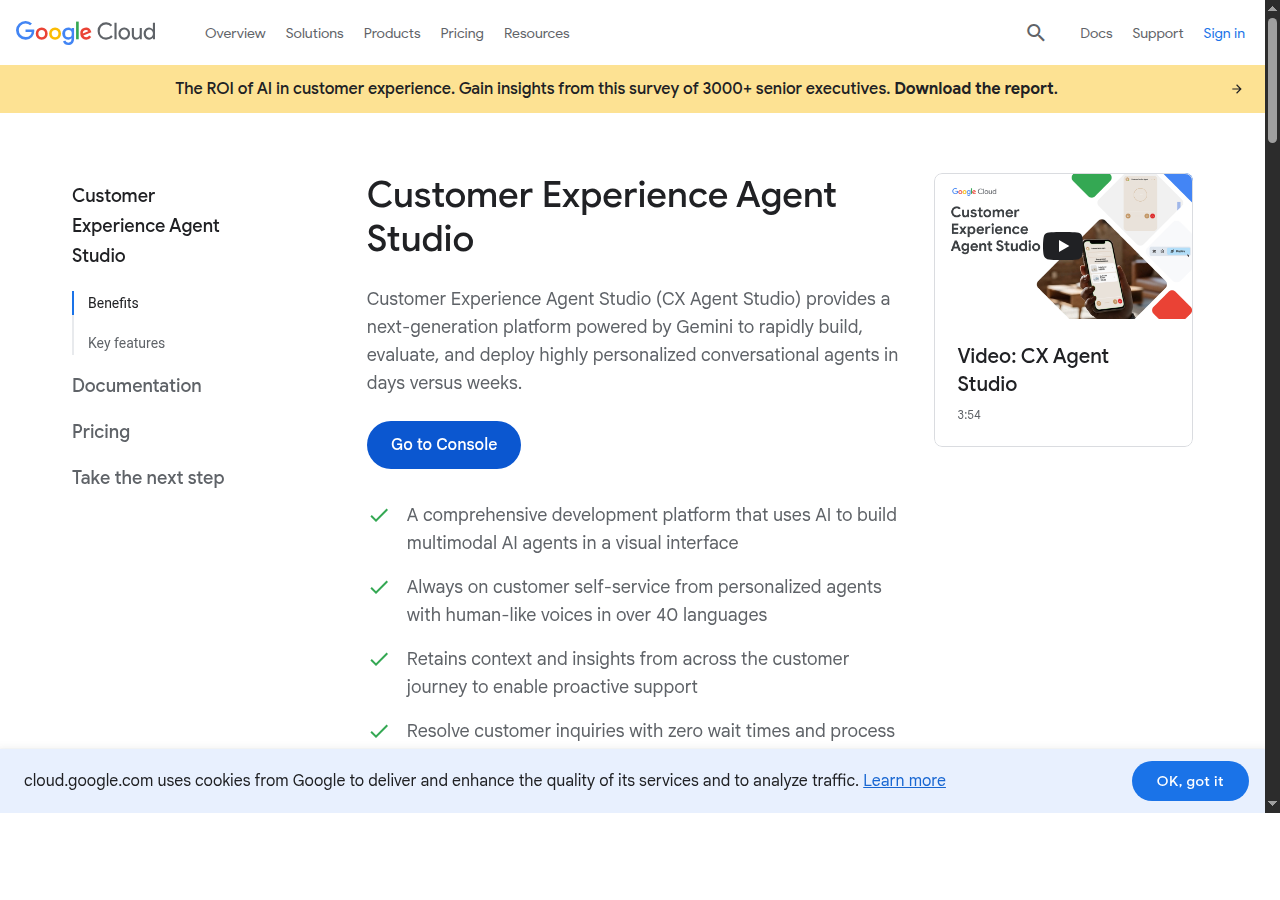
Dialogflow CX to korporacyjna platforma konwersacyjnej sztucznej inteligencji Google, teraz zmieniona na „Agenty konwersacyjne" w Google Cloud. Jej mocne strony leżą w rozumieniu języka naturalnego: obsługa wielu języków (30+ języków), zaawansowana klasyfikacja intencji, ekstrakcja jednostek i zaawansowane modele NLU wspierane przez badania Google. W przypadku wymagań NLU o wysokim wolumenie i złożoności — szczególnie w językach innych niż angielski — Dialogflow pozostaje standardem złota.
Dialogflow ma dwa odrębne tryby: Przepływy (dawniej Dialogflow CX) dla agentów deterministycznych zbudowanych z intencjami i NLU oraz Playbooki dla agentów generacyjnych zasilanych przez Gemini, które używają instrukcji języka naturalnego zamiast jawnego treningu intencji. Oznacza to, że możesz mieszać precyzję opartą na regułach z elastycznością LLM w tym samym agencie.
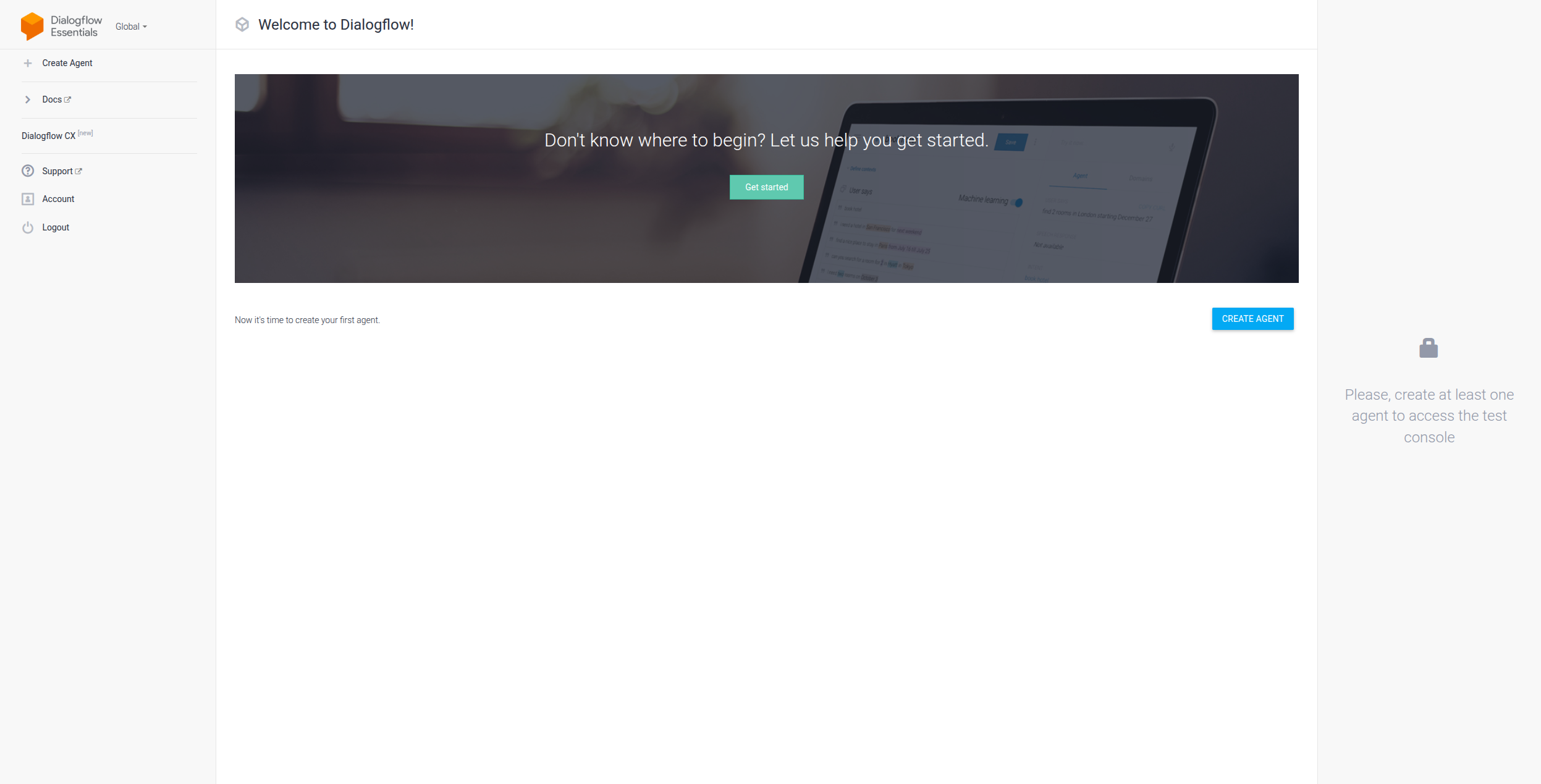
Ceny: Czysty model pay-as-you-go — brak minimalnych miesięcznych, brak opłat za miejsca:
Przy 100 000 żądań czatu/miesiąc płacisz ~$700-$1200/miesiąc w zależności od tego, czy używasz Przepływów czy Playbooki — co skaluje się dobrze dla wdrożeń w przedsiębiorstwach o wysokim wolumenie.
Kluczowe funkcje:
Zalety: Najlepsze w swojej klasie NLU (szczególnie wielojęzyczne), hybrydowy tryb deterministyczny + generacyjny, niezawodność klasy korporacyjnej, infrastruktura Google Cloud, ceny za użycie
Wady: Złożony do nauczenia i konfiguracji, może być drogi w dużej skali, wymaga zaangażowania Google Cloud, przesada dla prostych przypadków użycia chatbota
Najlepsze dla: Korporacyjnych centrów kontaktowych, globalnych firm potrzebujących wielojęzycznego NLU i zespołów budujących na infrastrukturze Google Cloud.
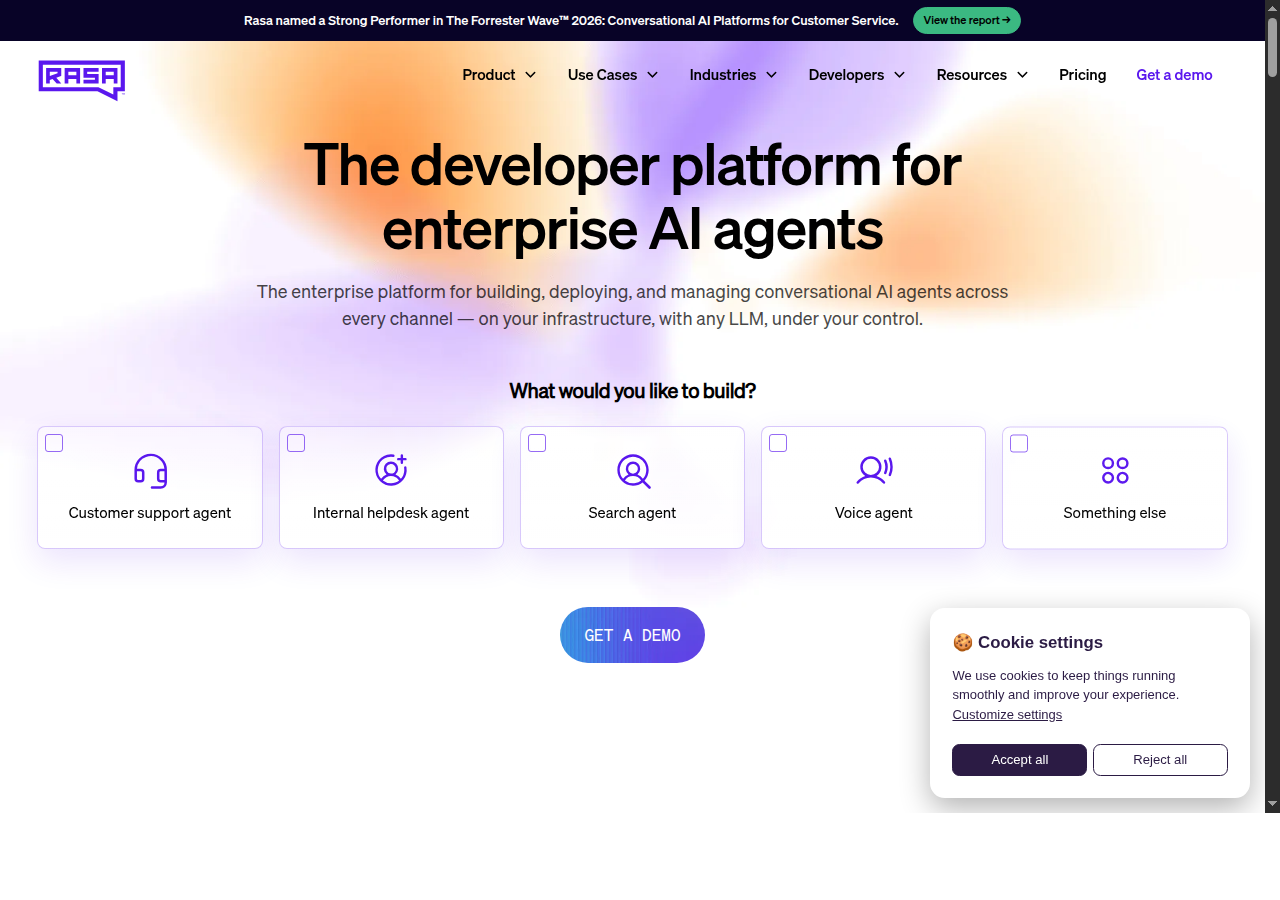
Rasa to najpotężniejsza platforma open-source do budowania chatbotów produkcyjnych z niestandardowymi potokami NLU. W przeciwieństwie do wbudowanego NLU Botpress, Rasa daje Ci pełną kontrolę nad architekturą NLU: wybierz swoje featurizery, klasyfikatory, ekstraktorów jednostek i selektory odpowiedzi, a następnie trenuj na własnych danych z pełną przejrzystością do modelu.
Platforma jest zbudowana w Pythonie i podąża za modelem konfiguracji opartym na YAML. Definiujesz intencje, jednostki, historie (ścieżki konwersacji) i reguły w plikach konfiguracji, trenujesz model NLU lokalnie i wdrażasz do dowolnej infrastruktury. Niestandardowe akcje to funkcje Pythona, które mogą wywoływać API, pytać bazy danych lub wyzwalać dowolną logikę biznesową w środku konwersacji.
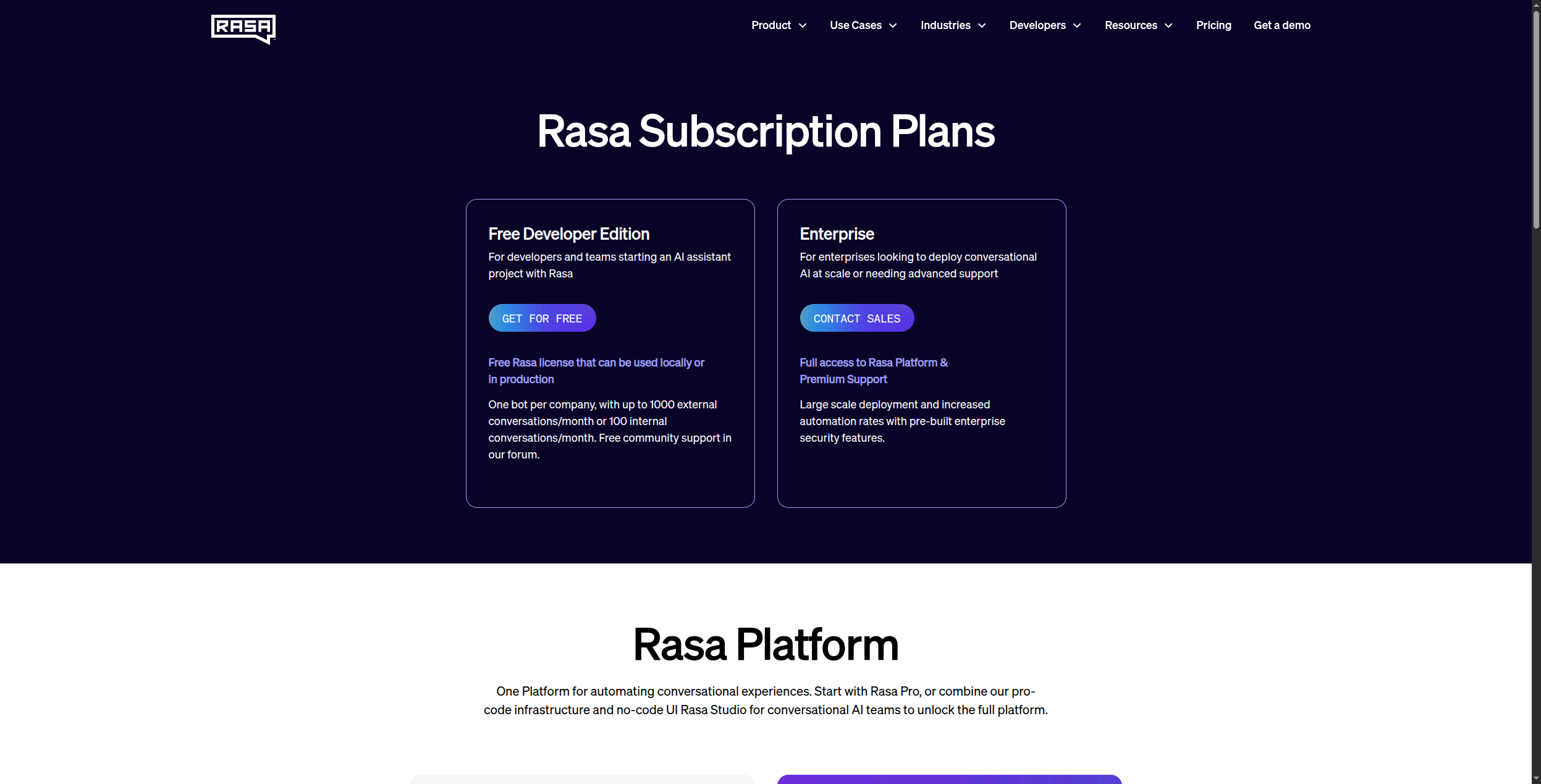
Ceny:
Kluczowe funkcje:
Zalety: Maksymalna kontrola NLU, w pełni open-source (rdzeń Apache 2.0), wdrażanie lokalnie, dostępna warstwa dla przedsiębiorstw, duża społeczność i ekosystem
Wady: Wymaga wiedzy Python/ML, znaczna infrastruktura, wolniej budować niż narzędzia bez kodu, ceny warstwy przedsiębiorstw nie są publiczne
Najlepsze dla: Zespołów technicznych w regulowanych branżach (bankowość, opieka zdrowotna, ubezpieczenia), które potrzebują wdrażania lokalnego, niestandardowych modeli NLU i pełnej kontroli danych.
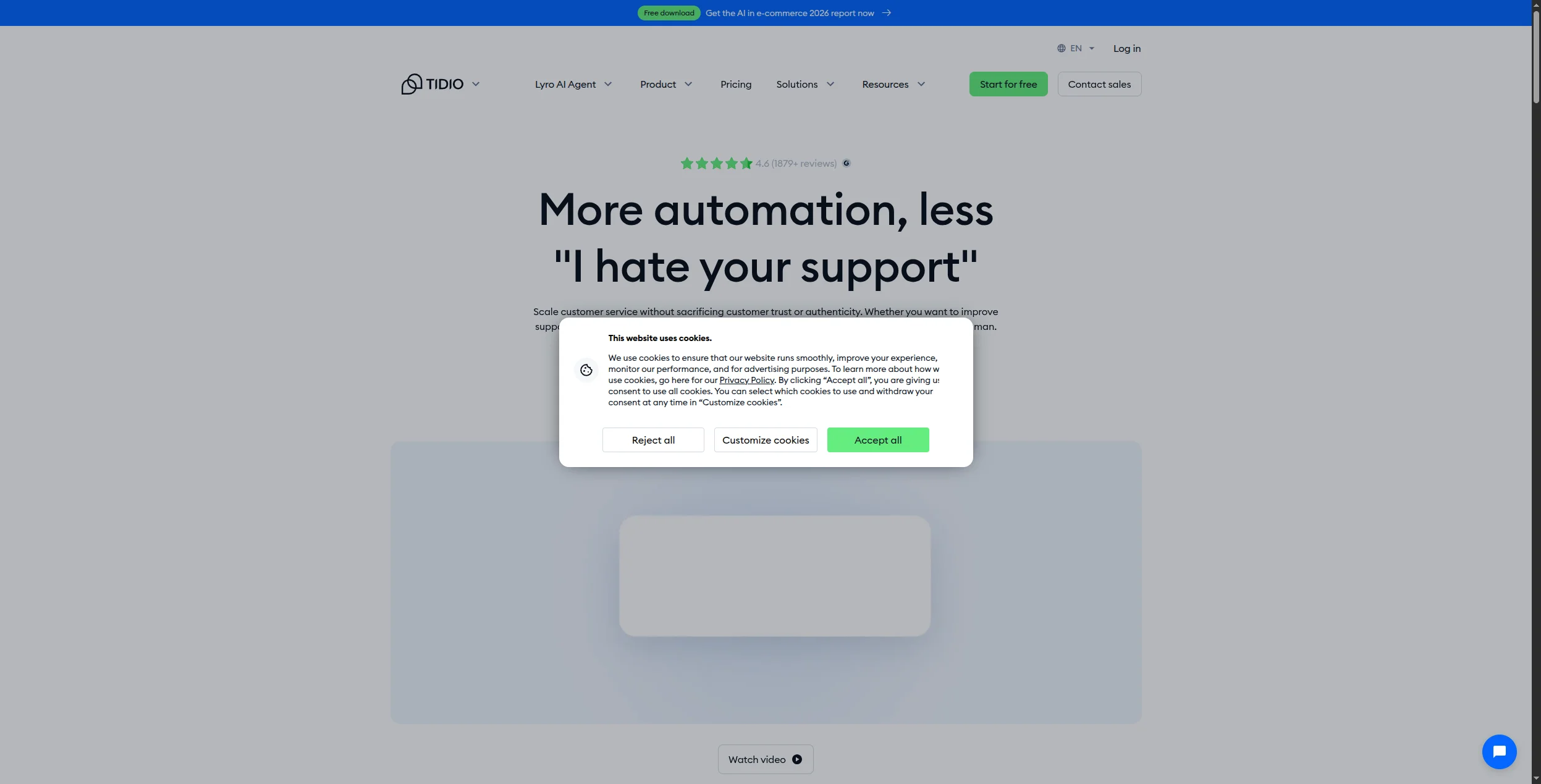
Tidio łączy czat na żywo, automatyzację chatbota AI i prosty budowniczy botów wizualnych w jedną przystępną platformę zaprojektowaną specjalnie dla e-commerce i małych firm. Jego agent AI Lyro (zasilany przez Claude Anthropic) automatycznie obsługuje zapytania dotyczące obsługi klientów, odpowiadając na do 70% typowych pytań bez interwencji człowieka.
Tidio integruje się natywnie z Shopify, WooCommerce, Wix, Squarespace i innymi platformami e-commerce, co sprawia, że konfiguracja to kwestia minut dla sprzedawców internetowych. Integruje się również z Zendesk, Salesforce i Intercom, jeśli chcesz uruchamiać Lyro AI obok istniejącego helpdesku. Jego czat na żywo i przekazanie bota jest szczególnie gładkie — klienci mogą przechodzić między odpowiedziami AI i agentami ludzkimi bez tarcia.
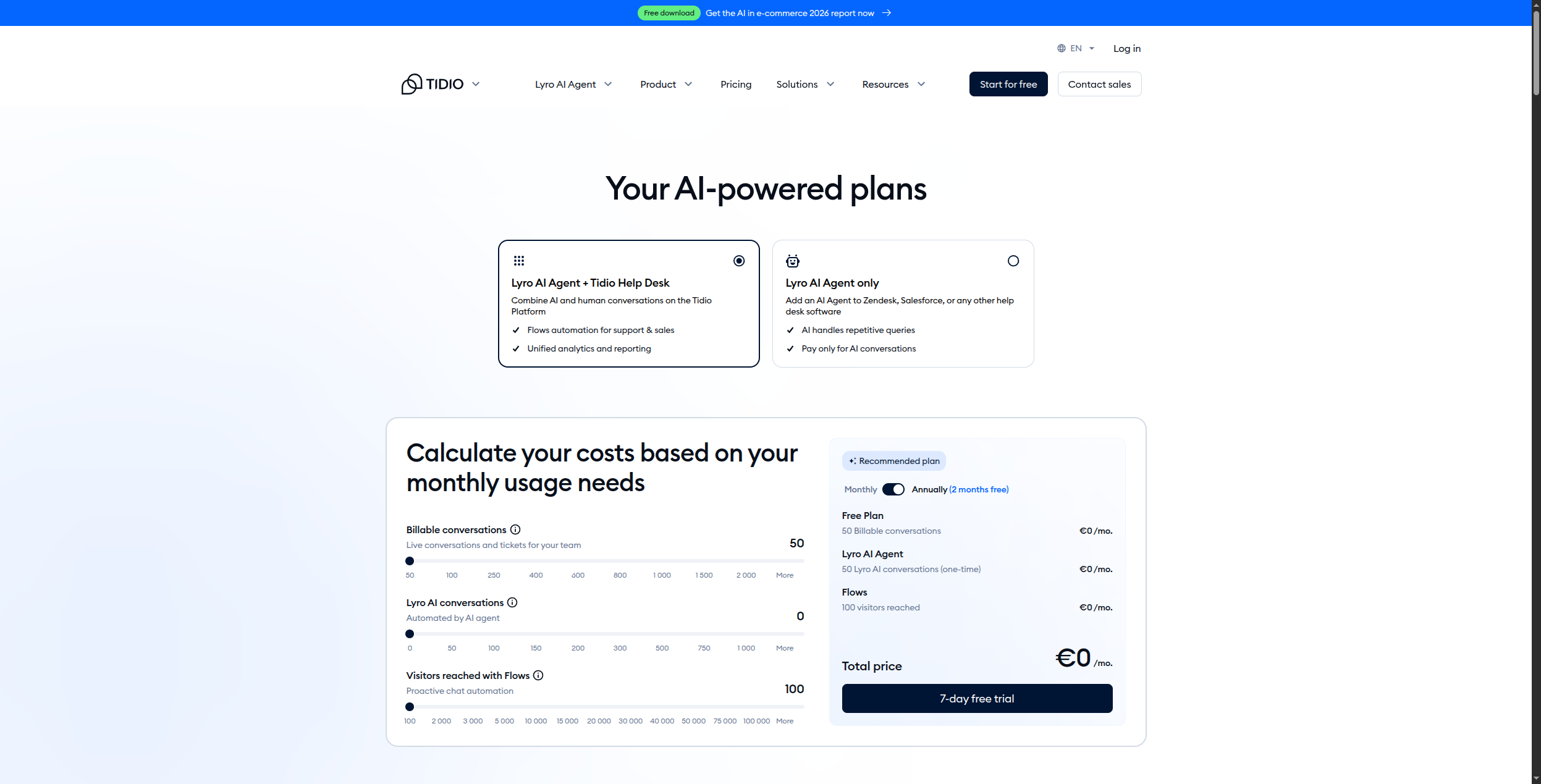
Ceny (oparte na użytkowaniu, rozliczane przez konsumpcję):
Kluczowe funkcje:
Zalety: Najlepszy dla e-commerce, łatwa konfiguracja, czat na żywo + bot + AI w jednym narzędziu, natywna integracja Shopify, przystępna bezpłatna warstwa, Lyro AI zasilany przez Claude
Wady: Ograniczone dla złożonych przypadków użycia dla przedsiębiorstw, NLU mniej zaawansowany niż Dialogflow lub Rasa, ceny oparte na użytkowaniu mogą zaskoczyć przy wyższych wolumenach
Najlepsze dla: Sklepów e-commerce, małych firm i startupów, które potrzebują połączonego rozwiązania czatu na żywo i chatbota bez złożoności technicznej.
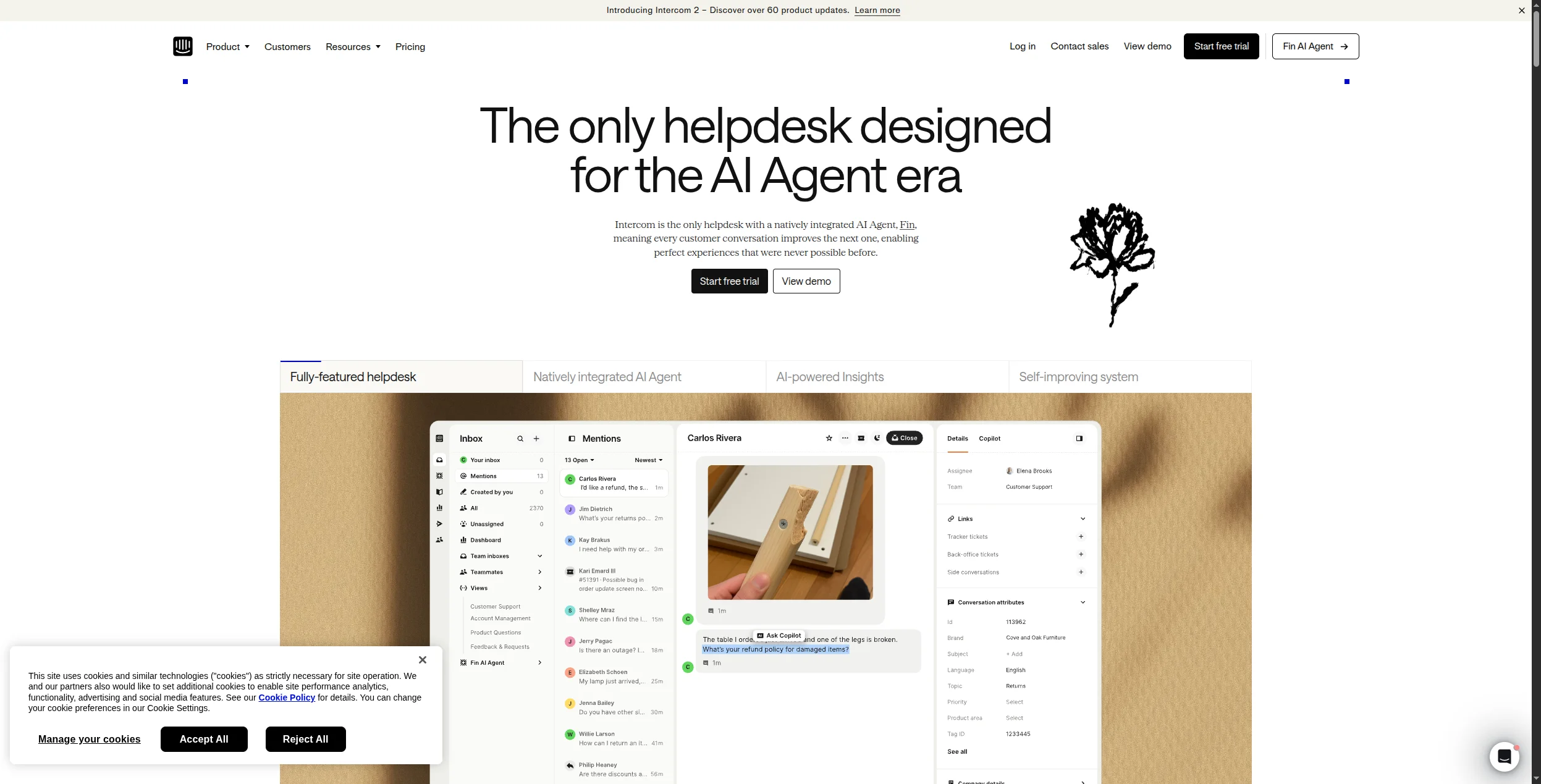
Fin AI Intercom jest najpotężniejszym agentem obsługi AI typu out-of-the-box na rynku. Zasilany przez duże modele językowe, Fin odpowiada na złożone pytania klientów, używając istniejącej zawartości centrum pomocy, autonomicznie rozwiązuje zgłoszenia obsługi i eskaluje do agentów ludzi, gdy jest to konieczne — wszystko w obrębie ustalonej platformy wiadomości dla klientów Intercom.
Wskaźnik rozwiązania Fin jest kluczową metryką Intercom: średnio Fin rozwiązuje 40-60% rozmów obsługi bez żadnego zaangażowania człowieka. Intercom wspiera to „Gwarancją miliona dolarów Fin" — jeśli Fin nie osiągnie obiecanego wskaźnika rozwiązania, zwrócą różnicę. Dla przedsiębiorstw o wysokim wolumenie obsługi ROI jest jasny.
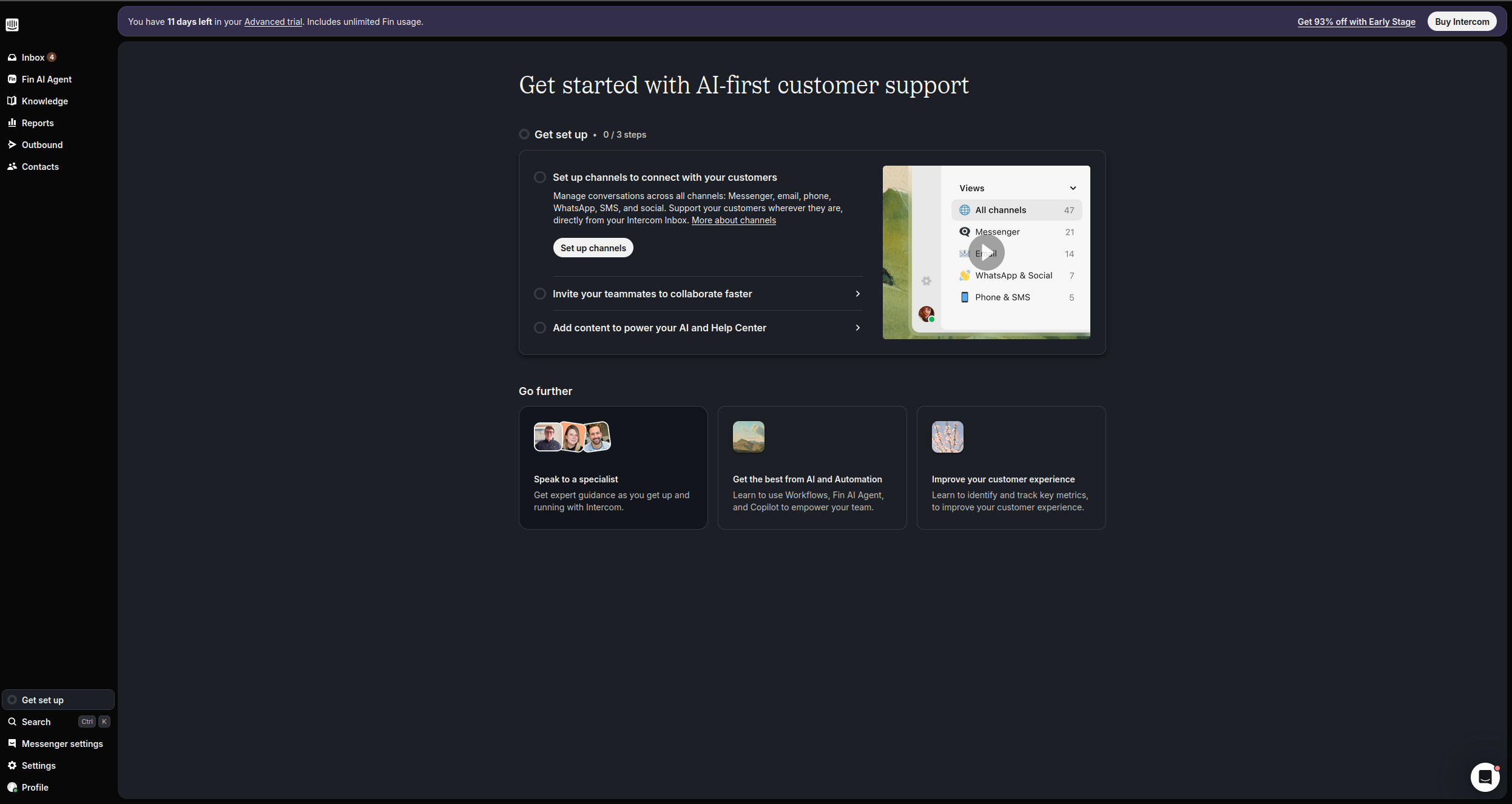
Ceny (rozliczane rocznie):
Kluczowe funkcje:
Zalety: Najlepszy wskaźnik rozwiązania AI out-of-the-box z gwarantowanymi wynikami, sprawdzona infrastruktura wiadomości, głęboka analityka, gładka eskalacja do człowieka, opcja tylko Fin dla istniejących helpdesków
Wady: Drogi w dużej skali (opłaty za miejsca + opłaty za wynik szybko się sumują), ograniczone poza przypadkiem użycia obsługi, mniej konfigurowalnej logiki agenta niż FlowHunt
Najlepsze dla: Korporacyjnych firm SaaS z dużymi zespołami obsługi, które chcą zautomatyzować znaczną część wolumenu obsługi klientów.

Rozpocznij bezpłatny okres próbny już dziś i zobacz rezultaty w ciągu kilku dni.
Wybierz FlowHunt, jeśli chcesz zastąpić drzewa decyzji Botpress prawdziwymi agentami AI, którzy rozumieją klientów i podejmują rzeczywiste działania — szczególnie jeśli automatyzacja przepływu pracy za chatbotem jest częścią Twoich wymagań.
Wybierz Voiceflow, jeśli masz zespół produktowy i projektowy skoncentrowany na doświadczeniach konwersacji wielokanałowych i potrzebujesz profesjonalnego systemu projektowania ze narzędziami współpracy.
Wybierz Landbot, jeśli Twój główny przypadek użycia to generowanie leadów, kwalifikacja i rezerwacja demo — szczególnie za pośrednictwem WhatsApp lub czatu strony internetowej.
Wybierz Typebot, jeśli potrzebujesz budowniczego chatbota open-source, samodzielnie hostowanego z nowoczesnym interfejsem użytkownika po niższych kosztach niż ceny chmury Botpress.
Wybierz Dialogflow, jeśli potrzebujesz korporacyjnego NLU w wielu językach i jesteś zaangażowany w infrastrukturę Google Cloud.
Wybierz Rasa, jeśli potrzebujesz wdrażania lokalnego, pełnej kontroli NLU i masz zespół techniczny zdolny do utrzymania struktury opartej na Pythonie.
Wybierz Tidio, jeśli jesteś firmą e-commerce lub SMB, która chce czat na żywo + bot AI + prostą automatyzację w jednym narzędziu bez złożoności technicznej.
Wybierz Intercom, jeśli jesteś korporacyjną firmą SaaS o wysokim wolumenie obsługi i chcesz najlepszy wskaźnik rozwiązania agenta obsługi AI out-of-the-box.
Kluczowe pytanie do zadania sobie: czy chcesz chatbota (system konwersacji ze skryptami) czy agenta AI (system autonomiczny, który rozumie kontekst i podejmuje działania)? W 2026 roku, w przypadku większości przypadków użycia, agenty AI dostarczają znacznie lepsze doświadczenia użytkownika i wyniki biznesowe niż nawet najlepsze platformy chatbotów.
Aby uzyskać więcej informacji na temat agentów AI i automatyzacji, zobacz Najlepsze budowniczowie agentów AI 2026 , Najlepsze narzędzia automatyzacji przepływów pracy i Automatyzuj obsługę klientów za pomocą AI i przekazania do człowieka .
Arshia jest Inżynierką Przepływów Pracy AI w FlowHunt. Z wykształceniem informatycznym i pasją do sztucznej inteligencji, specjalizuje się w tworzeniu wydajnych przepływów pracy, które integrują narzędzia AI z codziennymi zadaniami, zwiększając produktywność i kreatywność.

FlowHunt wykracza poza możliwości Botpress — agenty AI, które rozumują, podejmują działania w Twoich systemach i przekazują do ludzi z pełnym kontekstem. Bez drzew decyzji opartych na regułach.
Dowiedz się więcej o Botpress — platformie AI do budowy chatbotów. Poznaj jej kluczowe funkcje, zalety i wady, opcje cenowe oraz najważniejsze alternatywy, aby ...
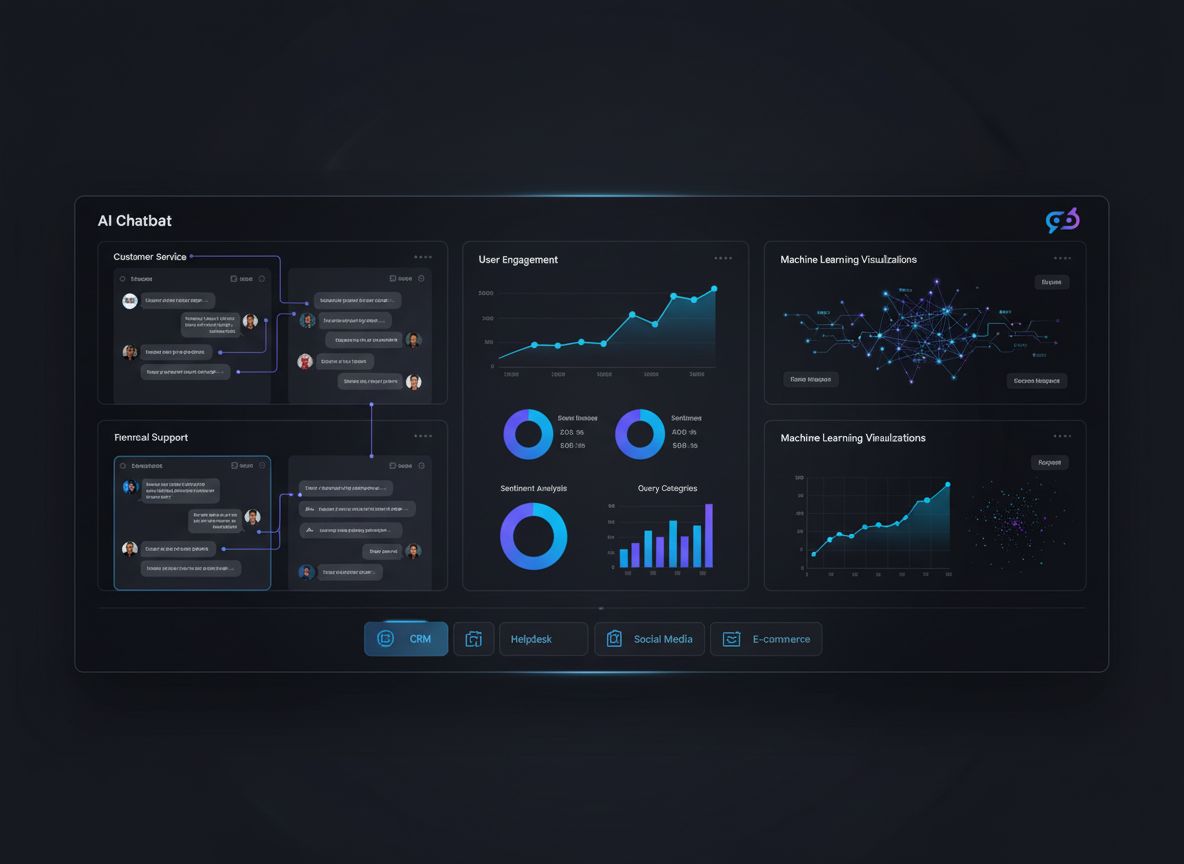
Poznaj najlepsze kreatory chatbotów w 2026 roku — od rozwiązań korporacyjnych, takich jak OpenAI i Google Dialogflow, po wyspecjalizowane platformy. Dowiedz się...
Poznaj najlepsze kreatory chatbotów AI w 2025 roku. Porównaj FlowHunt, Botpress, Chatbase i inne wiodące platformy – szczegółowe funkcje, ceny oraz przykłady za...
Zgoda na Pliki Cookie
Używamy plików cookie, aby poprawić jakość przeglądania i analizować nasz ruch. See our privacy policy.