5 Products That Failed Because They Skipped Competitive Analysis (And What AI Would Have Found)
Product failures aren’t always about bad execution. It’s often about missing information that was available. Here are five real cases where competitive analysis could have changed the outcome.
Competitive intelligence rarely fails because the data doesn’t exist, it fails because no one went looking. The five products below didn’t run out of runway or miss their technical goals. They launched into problems that were already documented in public competitor data, user reviews, and market research available at the time. Here’s what each team missed, and what a proper pre-launch analysis
would have surfaced.
Why Most Product Failures Are Information Failures
When a product fails, you most often see it being blamed on the execution. The team moved too slow, the marketing missed, the sales motion didn’t convert. But a significant share of product failures are not execution problems at all. They are information problems. They are a result of decisions being made without consulting the data publicly available at the time.
The reasons can vary. The market was already saturated. The pricing was already commoditized. The core differentiator had been available in competitor products for years. The positioning confused buyers who already had a clear mental model of what that category meant. In every one of the cases below, a pre-launch competitive analysis would have surfaced the problem. Why products fail competitive analysis is rarely a mystery in hindsight.
Case 1: The Product That Entered a Saturated Market
In 2020, Quibi launched a mobile-first streaming platform with $1.75 billion in funding and an all-star content roster. The unique idea was to split original long-form content into 10-minute increments you could watch any time. It shut down six months later.
The saturation was not hard to see. By 2020, TikTok had already surpassed 700 million monthly active users
and recorded 313.5 million downloads in Q1 alone
— the exact quarter Quibi launched. YouTube’s mobile viewership was growing faster than desktop. Netflix, Disney+, and HBO Max had each recently entered the market, compressing the pool of available consumer attention.
The specific format Quibi was betting on was high-quality, short-form, portrait-mode mobile video. The format was already being colonised by platforms users had formed deep habits around. In other words, Quibi was solving a non-problem. Besides ignoring just how entranced users were with similar apps in the same market, Quibi set their prices pretty high.
But perhaps the biggest mistake was the content itself. Quibi believed people would want to use it for the platform itself. Of course, they assumed so without talking to potential customers. In order to create a competing library, Quibi started bulk-buying lower quality content often rejected by other major streaming services.
A competitive analysis of the mobile short-form video landscape would have shown not just who was in the space, but how entrenched users already were in competing products. It would have questioned whether they’re actually solving a problem. And it would have let them understand that people sign up for streaming services because of the content, instead of the pltform. It would have raised many questions the launch team needed to answer before committing $1.75 billion
.
Ready to grow your business?
Start your free trial today and see results within days.
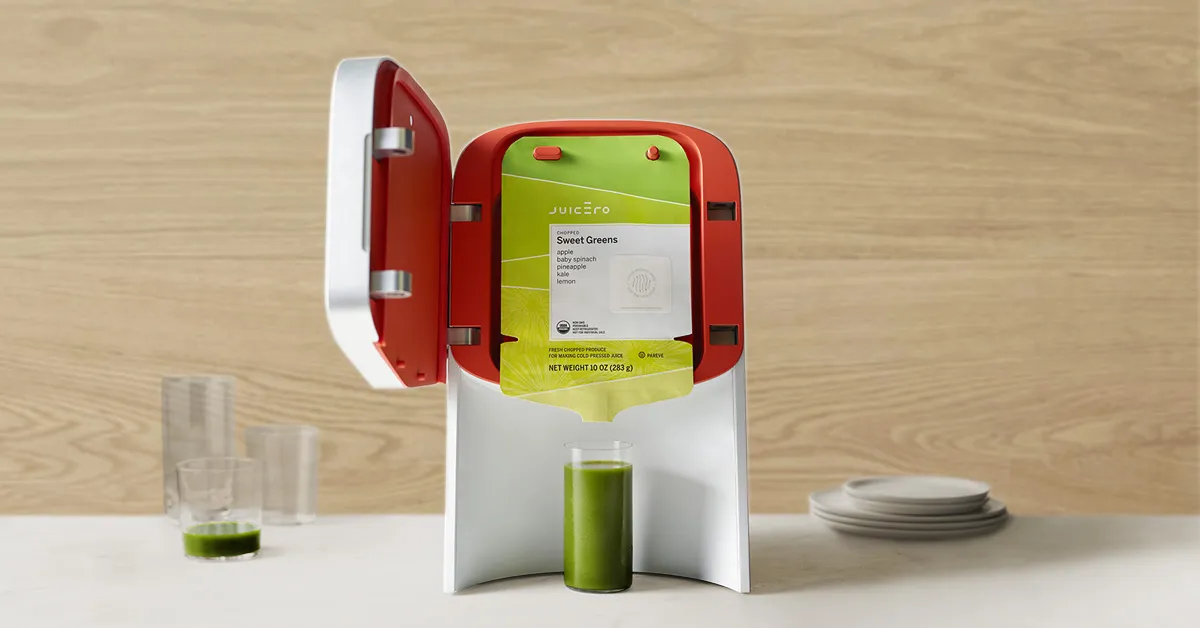
Juicero launched in 2016 with a $700 connected juice press, which they later reduced to $400. The machine was designed exclusively for proprietary juice packets costing $5 to $8 each. The product raised about $134 million
and was described by investors as the future of health and nutrition.
Bloomberg published a video of reporters squeezing the proprietary Juicero packets by hand, without their juice press. He got the same amount of juice in the same time as their machine would. The $400 press turned out to be entirely redundant against the very packets it was designed to squeeze. The company shut down within months of the story going live.
A pricing analysis of the competitive landscape would have flagged the core problem before a dollar was raised. What does it cost consumers to get juice? What premium, if any, do buyers demonstrably pay for connected kitchen appliances at this price point? What are users of comparable health food products willing to spend? The data existed in appliance sales figures, grocery retail trends, and the review landscape of every competing product category.
The pricing failure was not a production cost problem. It was an information failure about what the competitive reference price was in the minds of the target buyer, and that reference price was zero, because the alternative was their own hands.
Case 3: The Feature Competitors Had for Years
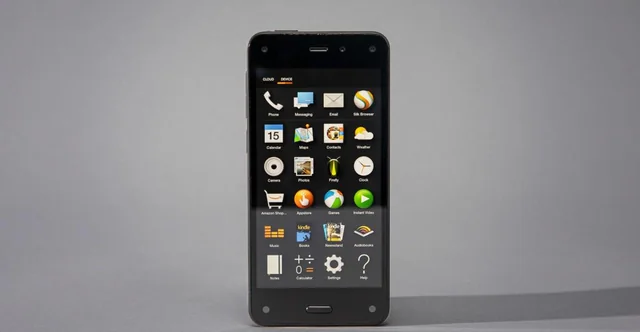
Amazon launched the Fire Phone in 2014 with “Dynamic Perspective” as its hero feature. It was a 3D display effect that used four front-facing cameras to track head position and shift the on-screen image. It was the central differentiator in the launch keynote. The phone was discontinued within a year. Amazon took a $170 million writedown
.
What a feature analysis of the competitive landscape would have found, is that the primary purchase drivers for smartphones at the time were app ecosystem breadth, camera quality, battery life, and carrier availability. Dynamic Perspective addressed none of them. It sure was novel, but it was not valuable. A survey of competitor strengths alongside public user feedback on iOS and Android forums would have made that visible months before the product launched.
The failure here was not ignorance of the competition. Amazon knew the iPhone and Android ecosystem existed. The information failure was in not mapping what those competitors’ users said they valued most, and cross-referencing that against the feature being positioned as the reason to switch. Product failure through competitive research gaps often come from not reading what rivals’ users actually care about.
Google Glass launched its consumer Explorer Edition in 2013 with positioning that never resolved a fundamental tension of whether this was a product for tech enthusiasts, for enterprise workers, or for everyday consumers.
The result was a product that alienated all three groups. Enthusiasts found the hardware limited. Enterprise buyers found no clear workflow integration. Everyday consumers found the social implications of wearing a recording device in public to be actively hostile. The term “Glasshole” entered common usage within months of launch.
A positioning analysis of the competitive landscape would have surfaced this tension in the public record before launch. Every prior head-mounted display product was positioned as enterprise or industrial. Consumer positioning of wearable cameras had a consistent track record of public backlash and poor retention. The pattern was visible in competitor reception histories, in forum discussions, in every tech journalist review of similar products over the prior five years.
Google Glass eventually found a viable market in enterprise applications. But the consumer launch damaged the brand enough that it took years to recover the positioning credibility needed to re-enter the market. The information was there. The analysis was not.
These days, Meta’s Ray-Ban glasses do have a solid following, but they’re nowhere near the hype Google Glass wished to create. After overcoming heaps of legal and quality hurdles, this niche of products still only resonates with a limited amount of enthusiasts.
Case 5: The Ecosystem Nobody Could Compete With
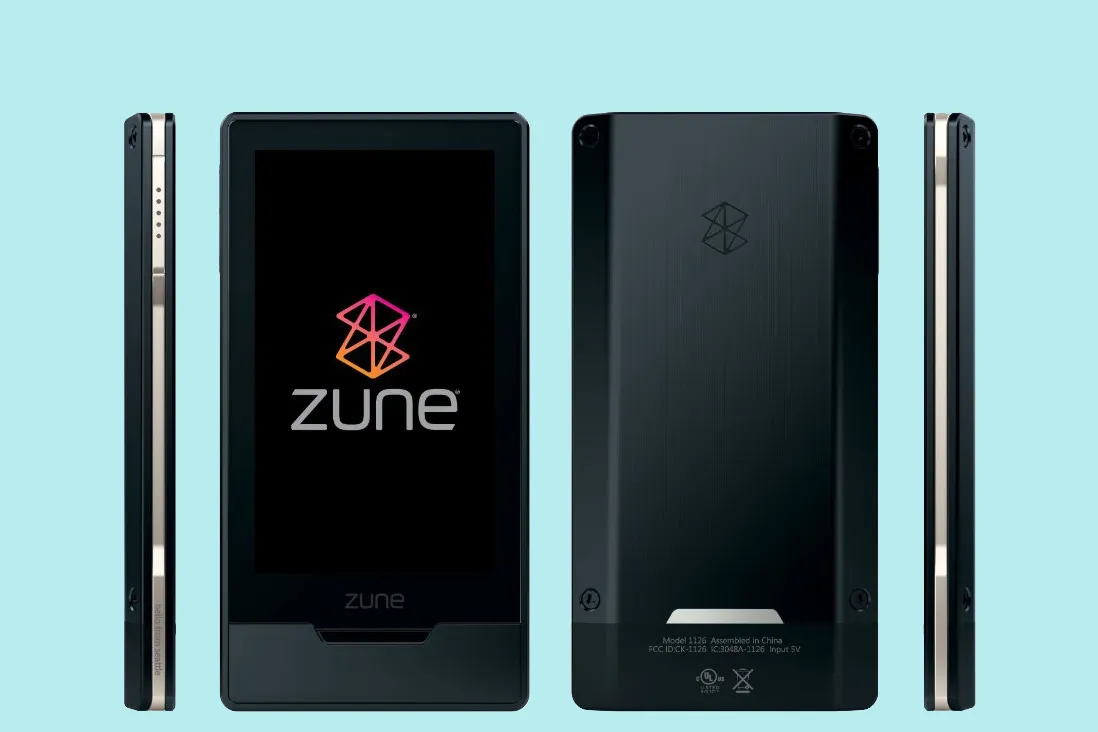
Microsoft launched Zune in 2006 as a direct iPod competitor. The hardware was competitive. The Zune Marketplace offered a subscription model years before streaming became the standard. The wireless sync feature was technically ahead of its time.
The analysis that would have mattered was not of the iPod as a device but of the iTunes ecosystem as a switching cost. By the time Zune launched, iTunes dominated the legal digital music market and had already surpassed one billion song purchases
earlier that year.
Every song a user had bought through iTunes was locked to Apple’s DRM and would not play on a Zune. The competitor was not the hardware device and its features, but the library of purchased content that users could not migrate. Before long, both devices were phased to make place for a new device, the smartphone.
A competitive analysis of the ecosystem, not just the product, would have reframed the go-to-market strategy. Not necessarily to avoid the market, but to address the migration barrier. Pre-launch competitive analysis importance comes precisely from these second-order dynamics that hardware-only comparisons miss entirely.
What AI Product Analysis Would Have Caught in Each Case
Each of these failures had signals in the public record before launch:
Quibi’s saturation was visible in TikTok and YouTube’s public engagement figures and mobile video consumption trends
Juicero’s pricing problem was visible in comparable appliance reviews and willingness-to-pay signals in the health food category
Fire Phone’s feature mismatch was visible in the consistent user priorities across iPhone and Android review ecosystems
Google Glass’s positioning confusion was visible in the reception history of every prior consumer head-mounted product
Zune’s ecosystem disadvantage was visible in iTunes market share data and DRM lock-in dynamics
An AI product analysis
covers exactly these dimensions: feature inventories, pricing benchmarks, user sentiment, competitive positioning, and market context, drawn from live sources at the time of query. This opens the doors for small and medium businesses that cannot afford to pay dedicated analysts for weeks of research. For a full breakdown of what AI product analysis covers and how to run your first report, see how to do AI product analysis
.
For pre-launch decisions specifically, pairing product-level analyses with a market analysis
surfaces the segment-level dynamics — who owns what share of attention, what users already have strong habits around, and where migration friction is highest. A company analysis
adds the organisational layer, tracking how well-resourced key competitors are, how recently they’ve moved, and what strategic priorities their recent activity signals.
Building a Pre-Launch Analysis Habit
The five cases above share a structural failure: competitive intelligence was treated as optional rather than as a prerequisite for the launch decision. That is the pattern that a pre-launch competitive analysis habit directly breaks.
A practical process does not need to be elaborate. Before committing to a positioning statement, a pricing decision, or a hero feature, three questions should have documented answers:
Who is already in this space, and how are they positioned? Run product and feature analyses on the top five competitors.
What do their users say they value, and what do they complain about?Sentiment analysis across public review platforms surfaces the unmet needs your product should address.
What would it cost a user to switch to you? Pricing analysis combined with an ecosystem or habit assessment identifies the real barriers your go-to-market needs to address.
Before you write the first line of code or commit to a positioning statement. The highest-leverage moment for competitive research is at the concept stage, when you can still change direction without sunk costs. A pre-development analysis of the competitive landscape takes a fraction of the time a post-launch pivot does. That said, competitive analysis is not a one-time event. It should recur at every major decision point: pricing, launch, feature prioritization, and before any significant messaging change.
At minimum you should know who occupies the space you're entering, what they charge, what their users complain about, and how they describe their own product. That's four data points, and any one of them missing at launch is a gap that can cost you. An AI product analysis covers all four in a single run, which makes 'minimum viable' a much lower bar than it used to be.
No, and it shouldn't try to. AI competitive analysis handles the public intelligence layer. Customer interviews uncover what your specific target buyers believe, what language they use to describe their problem, and what would actually change their behaviour. The two are complementary.
For pre-launch products, competitive analysis focuses on the adjacent and incumbent players rather than the product itself. What products occupy the space your concept is entering? How are they priced and positioned? What are users asking for that nobody is providing yet? This kind of landscape analysis is exactly what AI tools handle well.
For live products with active competitors, monthly for tier-one competitors and quarterly for tier-two is a practical cadence. The real triggers should be event-driven: a competitor announces a major update, your sales team flags a new objection pattern, or you're preparing for a pricing or roadmap decision. AI analysis is fast enough that waiting for a scheduled review no longer makes sense when something materially changes.
Maria is a copywriter at FlowHunt. A language nerd active in literary communities, she's fully aware that AI is transforming the way we write. Rather than resisting, she seeks to help define the perfect balance between AI workflows and the irreplaceable value of human creativity.
Maria Stasová
Copywriter & Content Strategist
Analyse Your Competitors Before Launch
FlowHunt's AI Product Analysis tool delivers structured competitive reports in minutes — feature breakdowns, pricing intelligence, and positioning analysis before you commit to a direction. Try it free.
How Startup Founders Use AI Market Analysis to Validate Ideas Before Building
Most startups skip proper market analysis because it takes too long. Here's how AI market analysis tools let founders validate market size, competitive intensit...
Product managers spend 20–30% of their time on competitive research. AI product analysis cuts that to minutes. Here are five specific ways PMs use it across dis...
7 min read
AI
Research
+3
Cookie Consent We use cookies to enhance your browsing experience and analyze our traffic. See our privacy policy.