
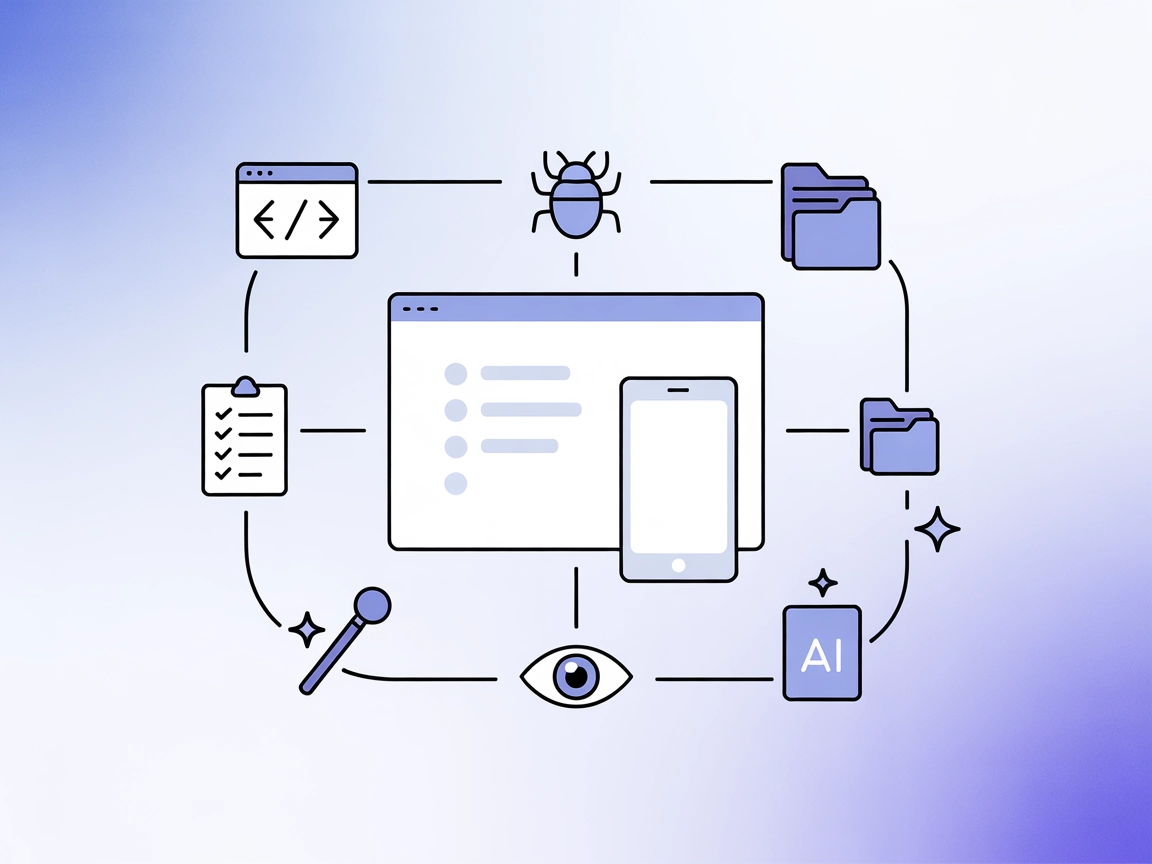
BrowserStack MCP
Integrate FlowHunt with BrowserStack MCP Server to automate cross-platform testing, manage test cases, execute manual or automated tests, debug, and even fix co...
3 min read
AI
BrowserStack
+5




Traditional penetration testing methodologies were not designed for AI systems. LLM-based chatbots have unique attack surfaces — natural language interfaces, RAG retrieval pipelines, tool integrations, and context window management — that require specialized testing techniques.

Unlike traditional web applications, AI chatbots process natural language and can be manipulated through the very interface they were designed to use. A chatbot that passes all conventional security checks can still be vulnerable to prompt injection, jailbreaking, and RAG poisoning attacks.

Every engagement follows a structured, OWASP LLM Top 10-aligned methodology. We map every finding to a recognized vulnerability category so your team can prioritize remediation with confidence.
ATTACK COVERAGE
Our assessments cover every major attack surface specific to LLM-based AI chatbots
Direct and indirect injection attacks including role-play manipulation, multi-turn sequences, and environment-based injection through retrieved content
Safety guardrail bypass techniques including DAN variants, persona attacks, token smuggling, and multi-step manipulation sequences
Knowledge base contamination attacks that cause your chatbot to retrieve and act on malicious, attacker-controlled content from your own data sources
Techniques to reveal confidential system prompt contents, business rules, safety instructions, and configuration secrets that should remain private
Attacks that extract PII, API credentials, internal business data, and sensitive documents from the chatbot's connected data sources and context
Rate limit bypass, authentication weakness exploitation, authorization boundary testing, and denial-of-service scenarios against LLM API endpoints

Transparent, complexity-based pricing. Every engagement starts with a free scoping call to define the assessment boundaries and provide a fixed-price quote.
We don't just test chatbots — we built one of the most advanced AI chatbot platforms available. That insider knowledge makes our security assessments deeper and more accurate.
FlowHunt is a production AI chatbot and workflow automation platform. We understand LLM architecture, RAG pipelines, and tool integrations from the inside.
Years of operating FlowHunt in production means we have encountered and patched real vulnerabilities — not just theoretical ones from research papers.
Our methodology maps to every category in the OWASP LLM Top 10, providing a standardized, auditable assessment framework.
Findings are written for engineering teams — with specific code-level recommendations, not just high-level observations.
All engagements are covered by NDA. Attack payloads, findings, and system details are never shared or reused.
Standard assessments complete within 1–2 weeks from kick-off. Urgent assessments available for time-sensitive situations.

Every engagement delivers a structured, actionable security report — written for both executives and engineering teams.
Tell us about your chatbot — platform, integrations, and what you want to protect. We'll respond within 1 business day with a scoping questionnaire and available dates.
AI chatbot penetration testing is a structured security assessment that simulates real-world attacks against your AI chatbot system. Our security engineers test for prompt injection, jailbreaking, data exfiltration, RAG poisoning, context manipulation, and API abuse — the same vulnerabilities catalogued in the OWASP LLM Top 10.
Our pricing is EUR 2,400 per man-day. A standard assessment for a production chatbot typically requires 2–5 man-days depending on the number of integrations, knowledge sources, and API endpoints in scope. We provide a fixed-price quote after a free scoping call.
You receive a detailed written report covering: executive summary, attack surface map, findings ranked by CVSS-equivalent severity, proof-of-concept attack demonstrations, remediation recommendations with effort estimates, and a re-test slot to verify fixes.
We built FlowHunt — one of the most capable AI chatbot and workflow automation platforms available. We understand how LLM-based chatbots work at the architecture level: how system prompts are constructed, how RAG retrieval pipelines can be poisoned, how context windows are managed, and how API integrations can be abused. That insider knowledge makes our assessments deeper and more accurate than generalist security firms.
Yes. We test AI chatbots built on any platform — GPT-based, Claude-based, Gemini-based, or open-source LLMs — whether deployed via API, embedded widget, or custom infrastructure. Our methodology is model-agnostic.
The OWASP LLM Top 10 is the industry-standard list of the most critical security risks for applications built on large language models. It covers prompt injection, insecure output handling, training data poisoning, model denial of service, supply chain vulnerabilities, and more. Our testing methodology maps directly to all 10 categories.
A standard scoped assessment takes 2–5 man-days of active testing, plus 1 man-day for report writing and review. Total calendar time from kick-off to final report is typically 1–2 weeks.
Get a comprehensive security assessment of your AI chatbot from the team that builds and operates FlowHunt. We know exactly where chatbots break — and how attackers exploit it.
Integrate FlowHunt with BrowserStack MCP Server to automate cross-platform testing, manage test cases, execute manual or automated tests, debug, and even fix co...
AI penetration testing is a structured security assessment of AI systems — including LLM chatbots, autonomous agents, and RAG pipelines — using simulated attack...
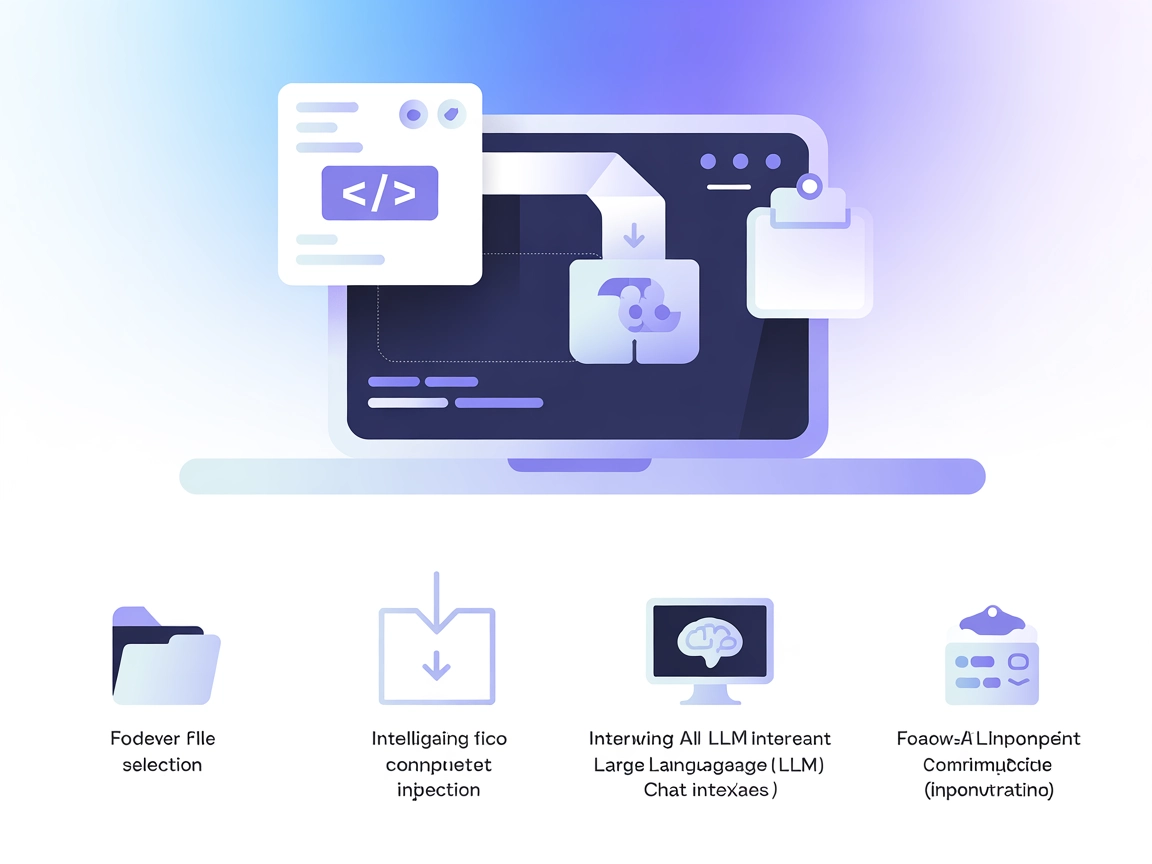
Supercharge your AI-assisted development by integrating FlowHunt's LLM Context. Seamlessly inject relevant code and document context into your favorite Large La...
Cookie Consent
We use cookies to enhance your browsing experience and analyze our traffic. See our privacy policy.