10 Best Lead Enrichment Tools in 2026 (Ranked & Reviewed)
The 10 best lead enrichment tools in 2026 — ranked by data quality, coverage, API flexibility, and pricing. From Apollo and Clay to FlowHunt’s AI enrichment workflows, find the right fit for your sales stack.
Lead Enrichment
Sales Tools
Data Enrichment
B2B Sales
Here’s how the top lead enrichment tools compare in 2026:
Tool
Data Type
Coverage
API
Pricing Model
Best For
FlowHunt
Orchestration layer
Any API
Yes
Usage-based
Automating enrichment workflows end-to-end
Apollo
Contact + firmographic
275M contacts
Yes
Freemium + subscription
All-in-one sales intelligence
Clearbit (HubSpot)
Firmographic + technographic
B2B companies
Yes
Usage-based
Real-time form enrichment
Clay
Multi-source waterfall
75+ providers
Yes
Credit-based
Flexible, high-accuracy enrichment
ZoomInfo
Contact + intent + org
Enterprise-grade
Yes
Enterprise contract
Large GTM teams
Lusha
Direct phone + email
100M+ contacts
Yes
Per-seat
Direct dial focus
Seamless.ai
Contact + direct dial
Real-time AI search
Yes
Subscription
Cell phone + email finding
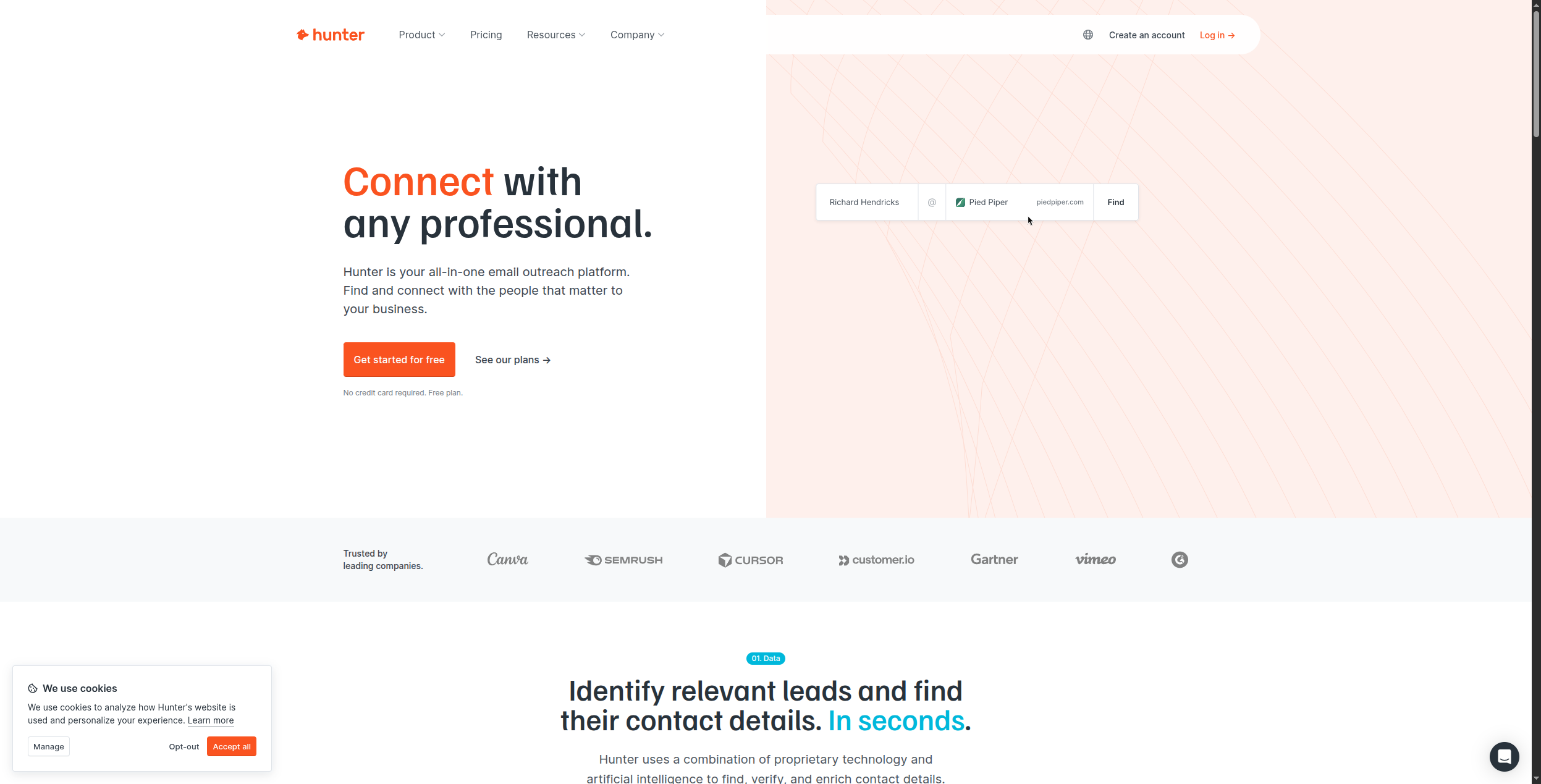
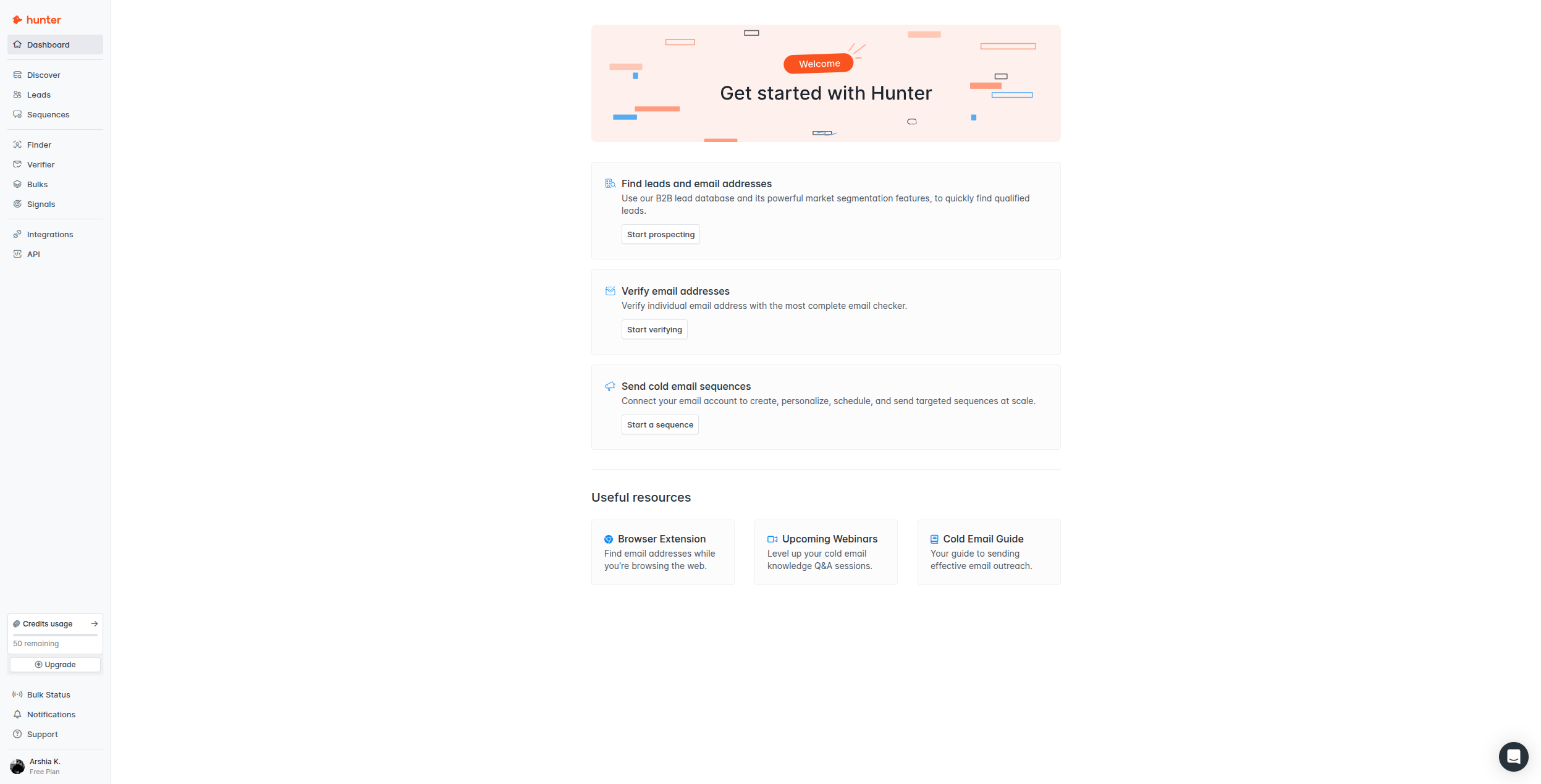
Hunter.io
Email only
Domain-based
Yes
Freemium
Email verification
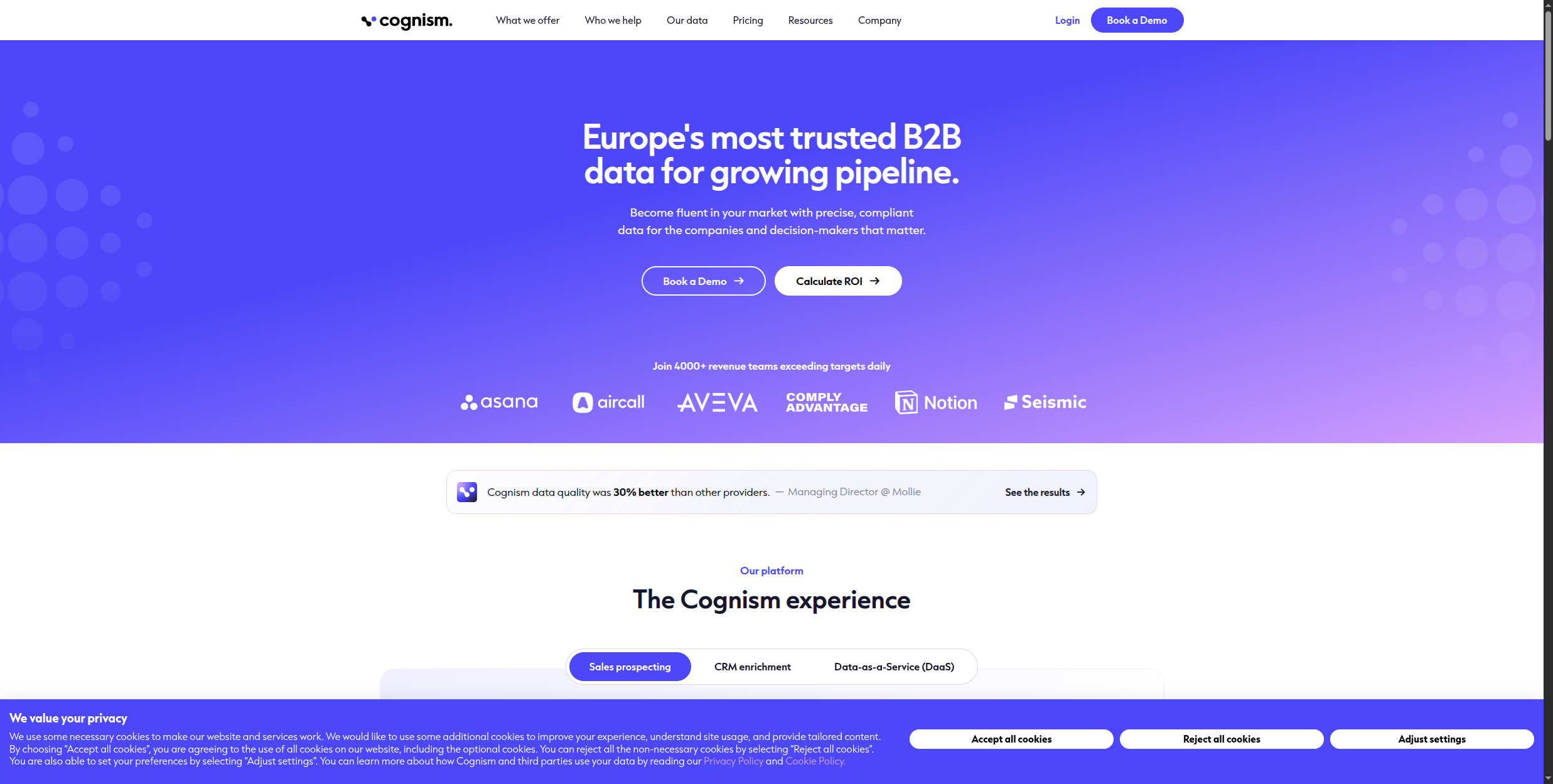
Cognism
Contact + intent
GDPR-compliant EU
Yes
Enterprise contract
European markets
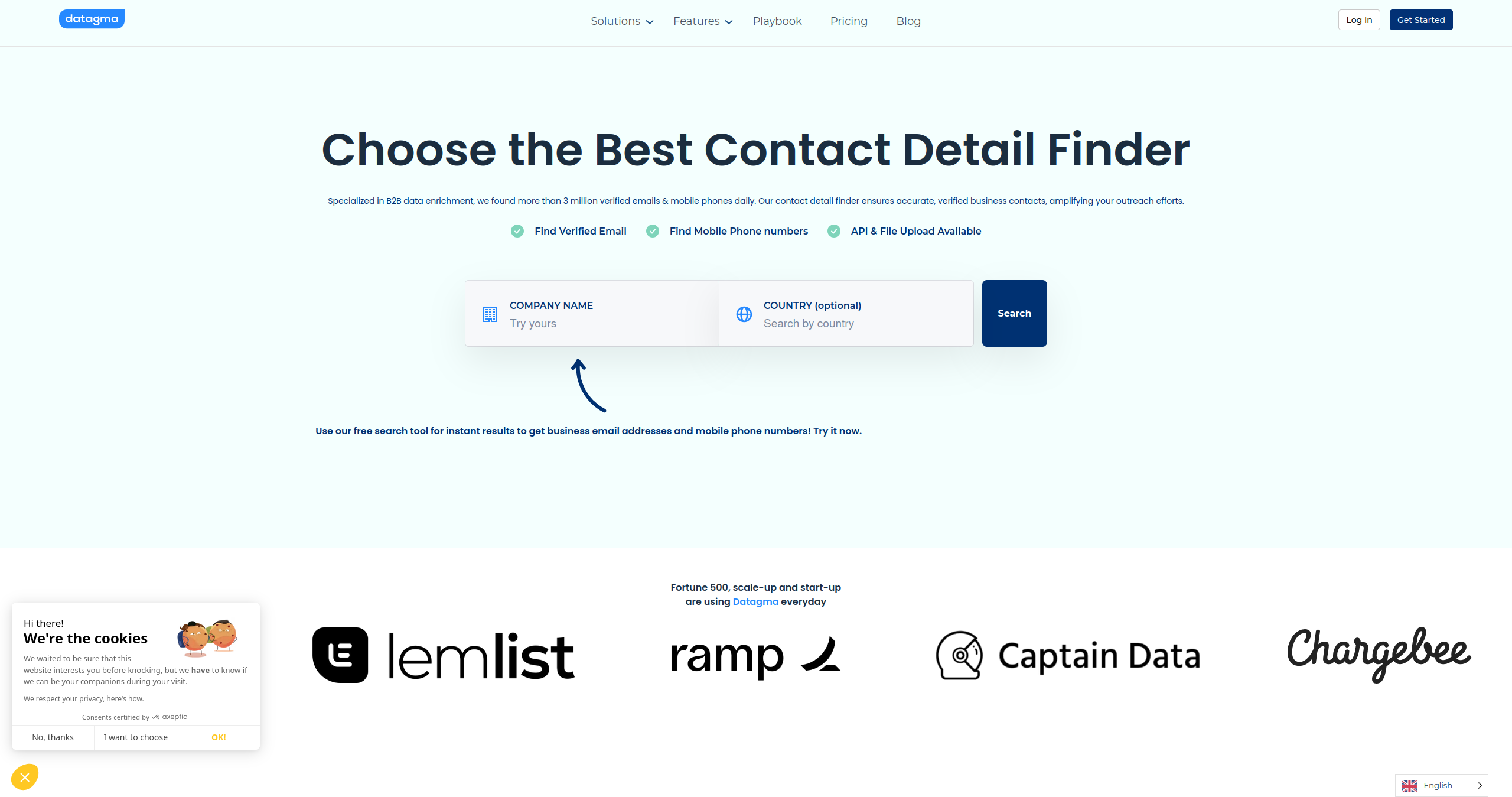
Datagma
Multi-source
Waterfall
Yes
Pay-per-result
Cost-effective enrichment at scale
What Is Lead Enrichment and Why It Matters in 2026
Lead enrichment is the process of automatically appending additional data to a lead record — transforming a bare-minimum contact entry (name, email, company) into a rich profile that sales and marketing teams can actually use.
A typical raw lead from a form fill contains: first name, last name, email address, company name. That’s not enough to personalize an outreach email, qualify the lead, or route it to the right rep. With enrichment, that same lead becomes: verified work email, direct dial mobile number, LinkedIn URL, job title, seniority level, department, company size (employees and revenue), industry, headquarters location, tech stack, recent funding rounds, and buying intent signals.
The business impact is measurable. Teams with enriched lead data consistently see:
30-50% higher email response rates (personalization is only possible with data)
Faster qualification (reps don’t spend time on discovery questions the CRM should already know)
Higher CRM data quality (less garbage-in, garbage-out in reporting and forecasting)
Better lead routing (match lead attributes to the right rep or territory automatically)
In 2026, manual enrichment — looking up contacts on LinkedIn, Googling company details, hunting for emails one by one — is a competitive disadvantage. The companies winning on outbound all run automated enrichment pipelines.
The 10 Best Lead Enrichment Tools in 2026
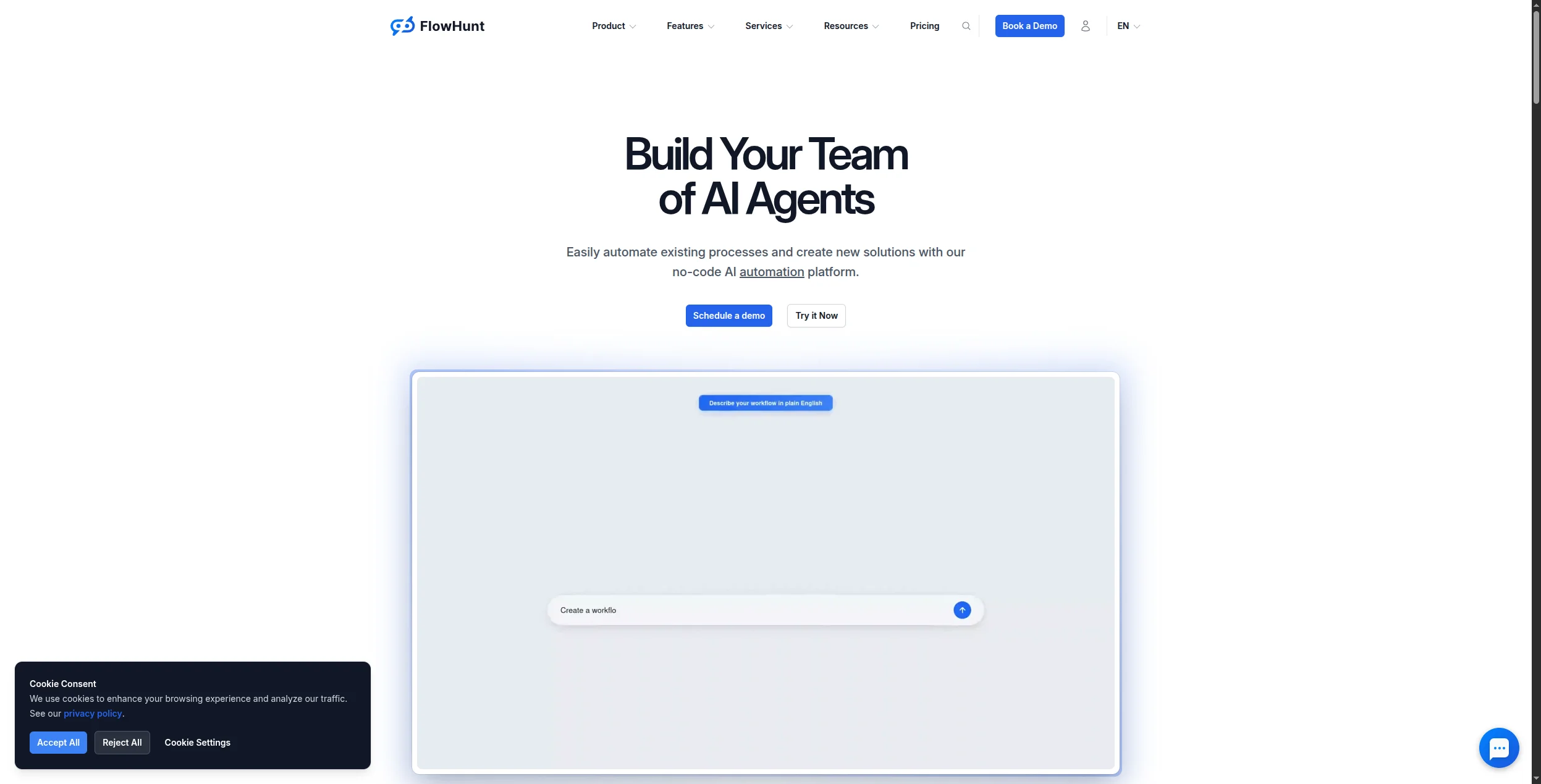
1. FlowHunt — Best for Automated Enrichment Workflows
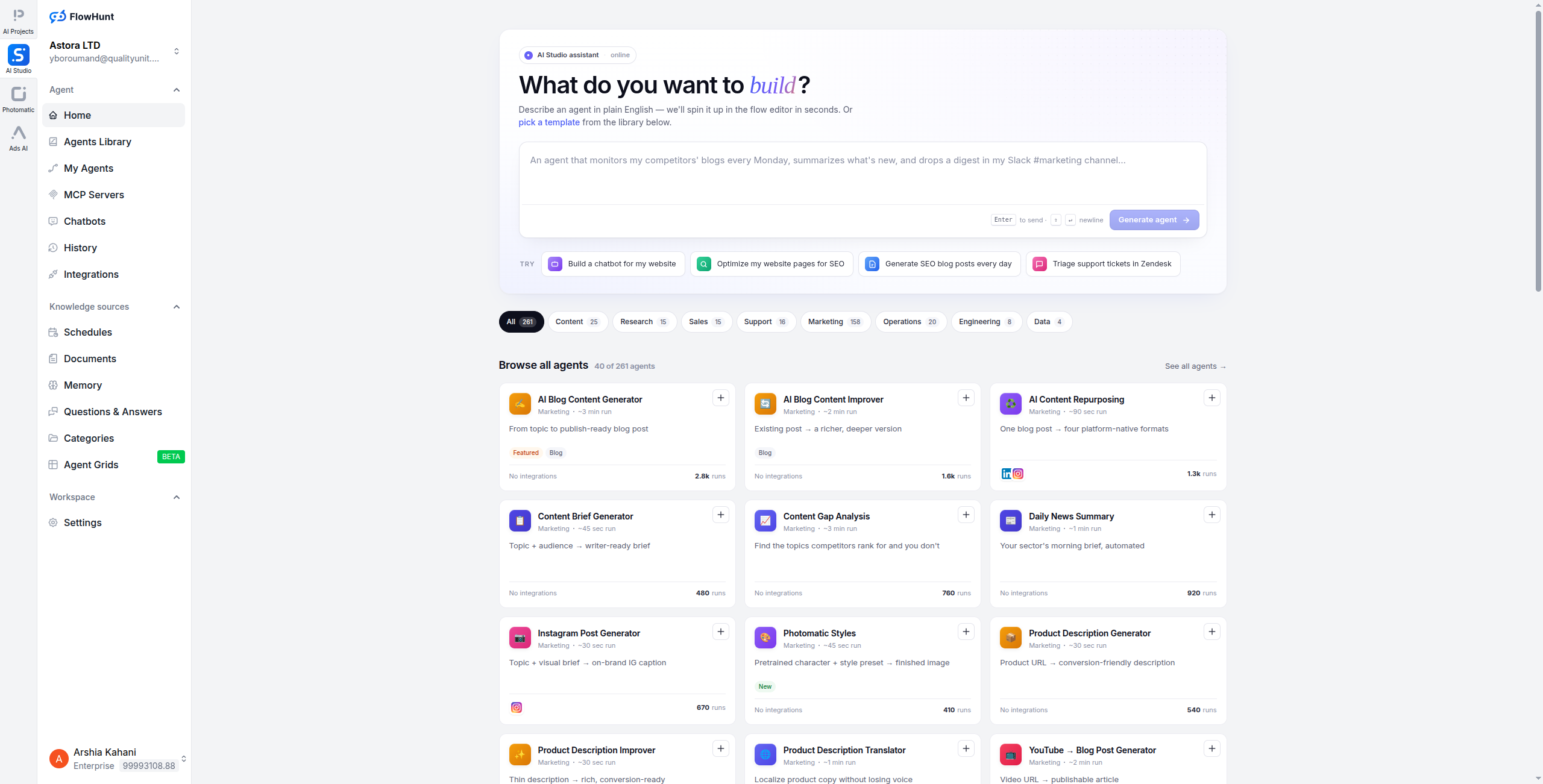
FlowHunt approaches lead enrichment differently from every other tool on this list. Rather than being a data source itself, FlowHunt is an AI workflow automation platform that orchestrates multiple enrichment APIs into a single automated pipeline — and applies AI reasoning to clean, normalize, and score the results.
Here’s what a FlowHunt enrichment workflow looks like in practice: a new lead enters your HubSpot CRM from a form fill. FlowHunt automatically triggers an enrichment sequence: it calls Apollo for company firmographics, Hunter.io to verify the email, Clearbit for technographic data, and a web scraping node to pull recent company news. An AI node then synthesizes all this data, flags any discrepancies, scores the lead against your ICP criteria, and writes a personalized outreach template based on the enriched profile. The complete enriched record and the outreach draft are pushed back to HubSpot — no human involvement needed.
The key advantage: FlowHunt isn’t tied to one data source. As providers improve or degrade in quality for your specific market, you swap nodes without rebuilding your workflow. And because it’s AI-powered, it can handle data normalization tasks (standardizing job title variants, resolving company name ambiguities) that traditional enrichment tools leave to manual cleanup.
Pros: Orchestrates multiple enrichment APIs in one workflow, AI-powered data normalization and scoring, pushes directly to any CRM, no code required, flexible and customizable Cons: Not a data source itself (requires subscriptions to enrichment APIs), more setup than a single-purpose enrichment tool
Best for: Sales ops teams, RevOps, and growth teams that want to automate the full enrichment pipeline from trigger to CRM update.
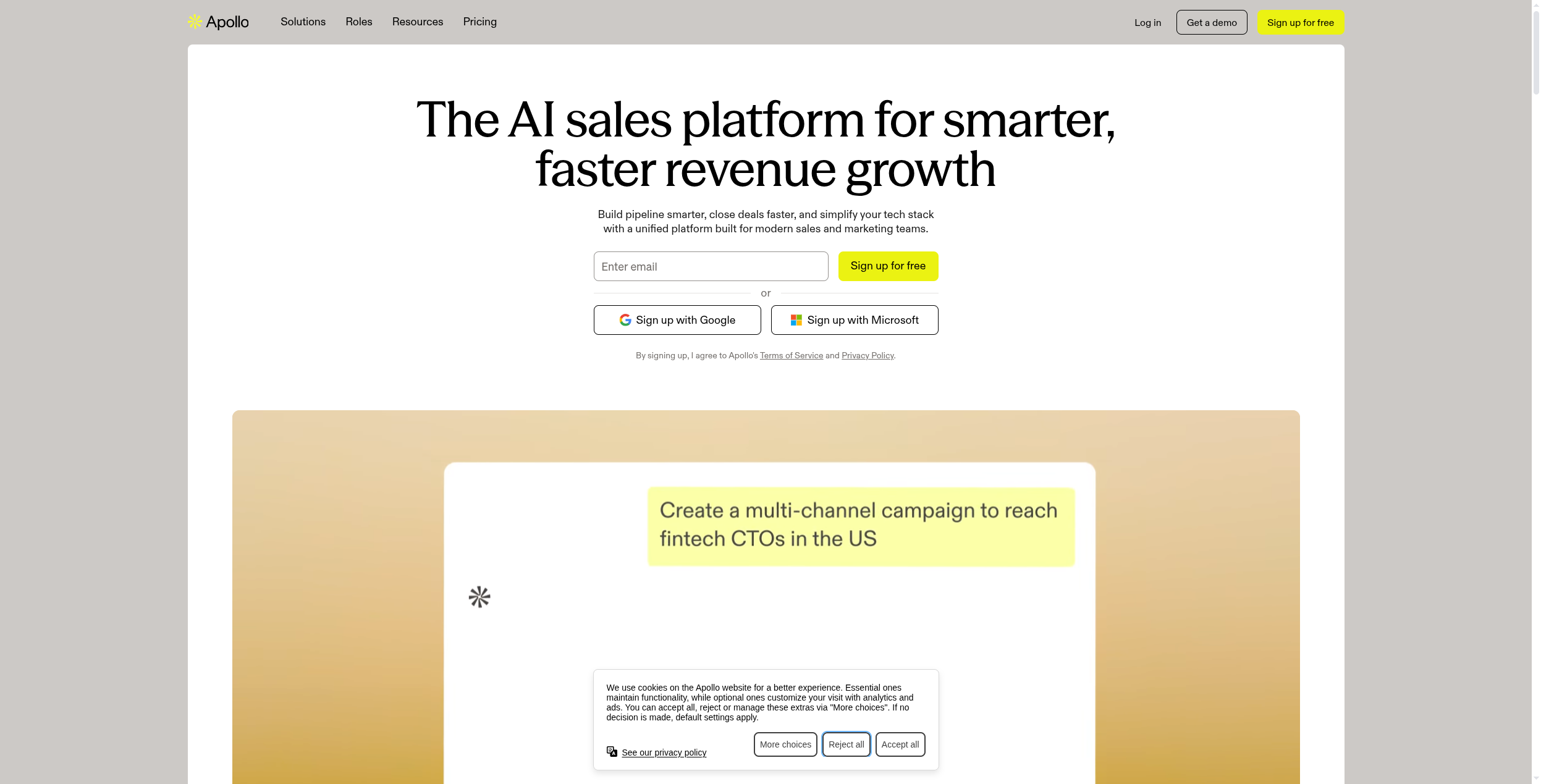
Apollo is the most popular all-in-one sales intelligence platform among SMB and mid-market sales teams. Its 275M+ contact database is combined with email sequencing, AI email writing, call recording, and CRM sync — making it the top choice for teams that want prospecting and enrichment in one tool without managing multiple vendors.
Apollo’s enrichment capabilities include verified emails, direct dials, LinkedIn URLs, job titles, company firmographics (size, revenue, industry, HQ), and technographic data (current software stack). Its “enrichment” feature lets you upload a CSV of partial records — even with just company domain and name — and Apollo fills in the missing fields from its database. Bulk enrichment is available on paid plans: upload thousands of records and Apollo processes them asynchronously, returning a completed CSV or pushing enriched data directly to your CRM.
The free tier (50 email exports/month) is genuinely useful for small teams testing the product. Apollo’s intent data, available on Professional plans and above, surfaces companies actively researching solutions in your category — adding a prospecting signal layer on top of the base enrichment capability.
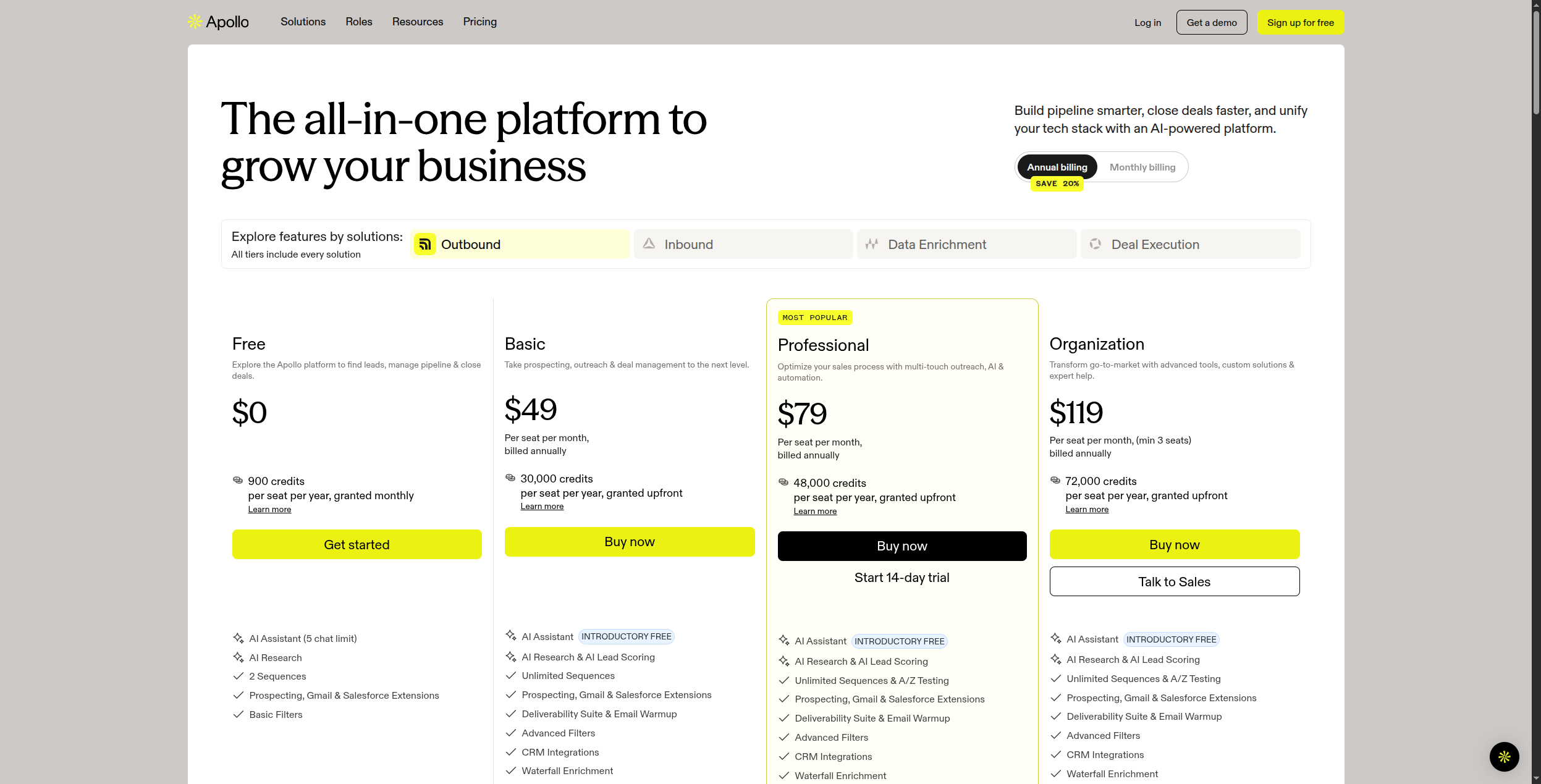
Pricing: Free (50 email exports, 5 phone credits/month). Basic at $49/user/month (unlimited emails, 10 exports). Professional at $79/user/month (AI features, intent data, call recordings). Organization at $119/user/month (advanced analytics, SSO, API access).
Pros: Best value for combined data + outreach, 275M+ contact database, generous free tier, intuitive UI, strong API, bulk enrichment via CSV upload Cons: Data accuracy varies by region (strongest in North America and Western Europe), intent data only on Professional+, email sequence features less advanced than Outreach/Salesloft
Best for: SMB and mid-market sales teams that want prospecting, enrichment, and outreach in one platform at a competitive price.
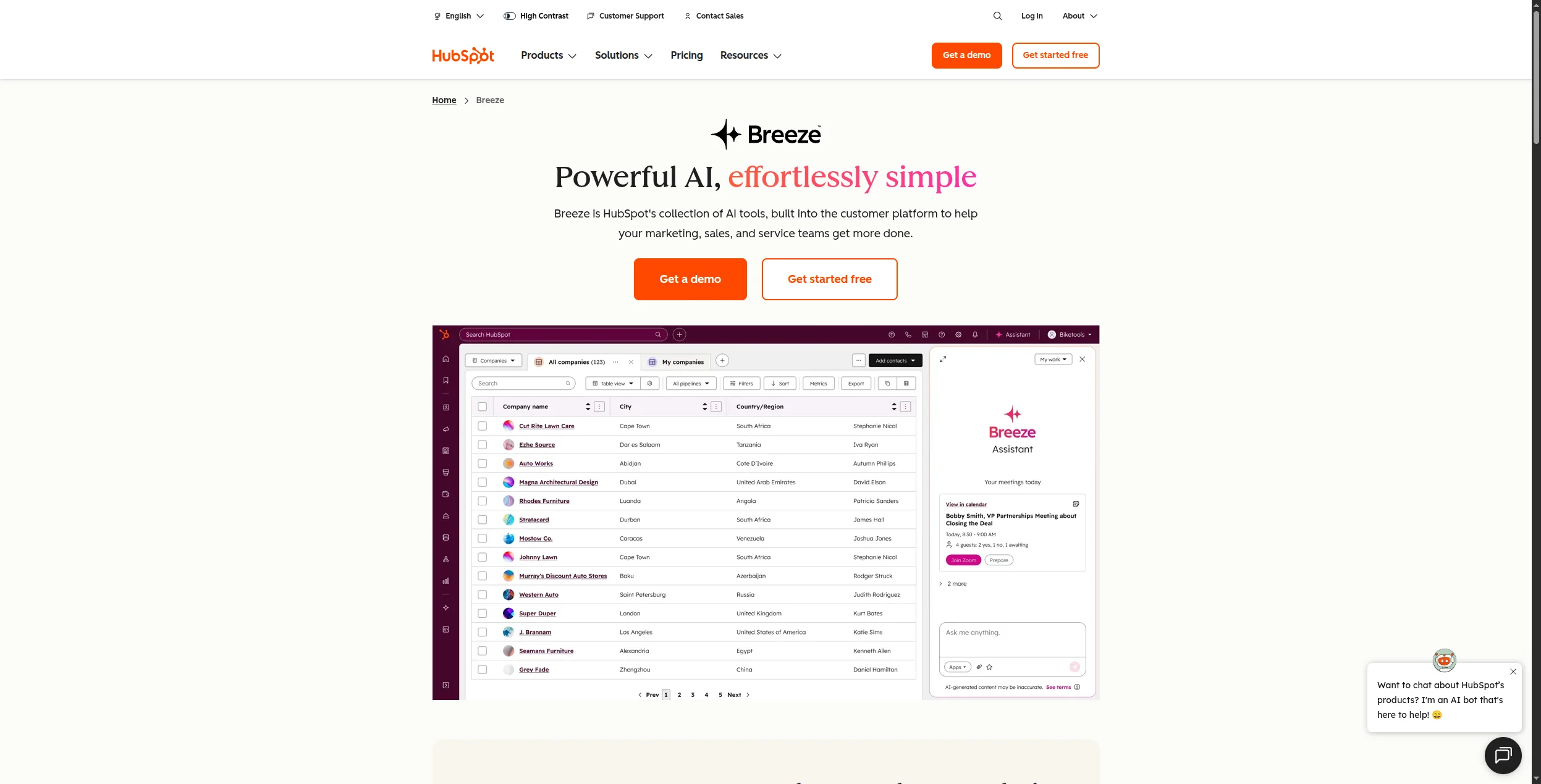
3. Clearbit (Now HubSpot Enrichment) — Best for Real-Time Form Enrichment
Clearbit pioneered real-time B2B enrichment and was acquired by HubSpot in 2024. Its core strength is form shortening and real-time enrichment: when a visitor submits a 2-field form (just email and name), Clearbit instantly appends 100+ data points from its database — turning a minimal form response into a complete lead profile before the SDR even sees it.
Clearbit’s technographic data is particularly strong — it can identify whether a company uses Salesforce, Intercom, Segment, and hundreds of other tools, which is valuable for technology companies doing competitive displacement campaigns. Its IP enrichment feature can also identify the company of anonymous website visitors, revealing which organizations are browsing your pricing page even without a form submission. The Reveal feature pushes these anonymous company identifications into your marketing workflows for targeted retargeting.
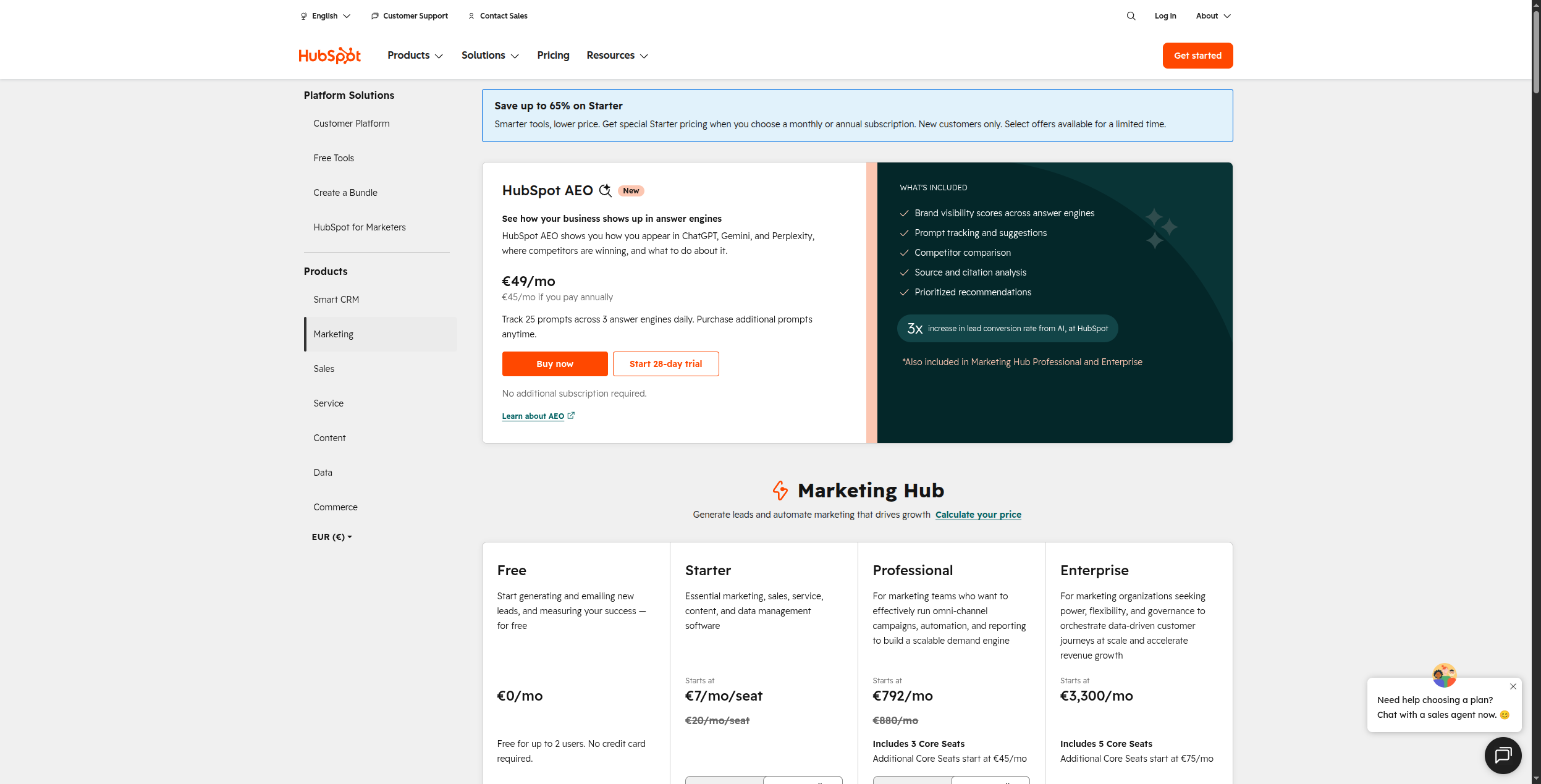
As part of HubSpot, Clearbit enrichment is available as a native HubSpot feature for Marketing Hub customers, making it the lowest-friction enrichment option for HubSpot shops. The form shortening benefit is substantial: replacing long qualification forms with shorter forms backed by Clearbit enrichment typically increases form submission rates by 30-50% without sacrificing qualification data quality.
Pricing: Clearbit enrichment is now included in HubSpot Marketing Hub Professional ($890/month) and Enterprise plans. Standalone Clearbit API pricing is usage-based from $99/month — contact HubSpot for current pricing post-acquisition.
Pros: Best-in-class real-time form enrichment, excellent technographic data with 1,000+ technology signals, IP-based company identification for anonymous visitors, native HubSpot CRM and Marketing Hub integration Cons: Now HubSpot-centric (limited value if not on HubSpot), pricing less transparent post-acquisition, international coverage weaker than North America-centric tools
Best for: HubSpot customers on Professional or Enterprise plans who want real-time enrichment on inbound leads and form submissions without adding another vendor.
4. Clay — Best for Flexible, High-Accuracy Enrichment
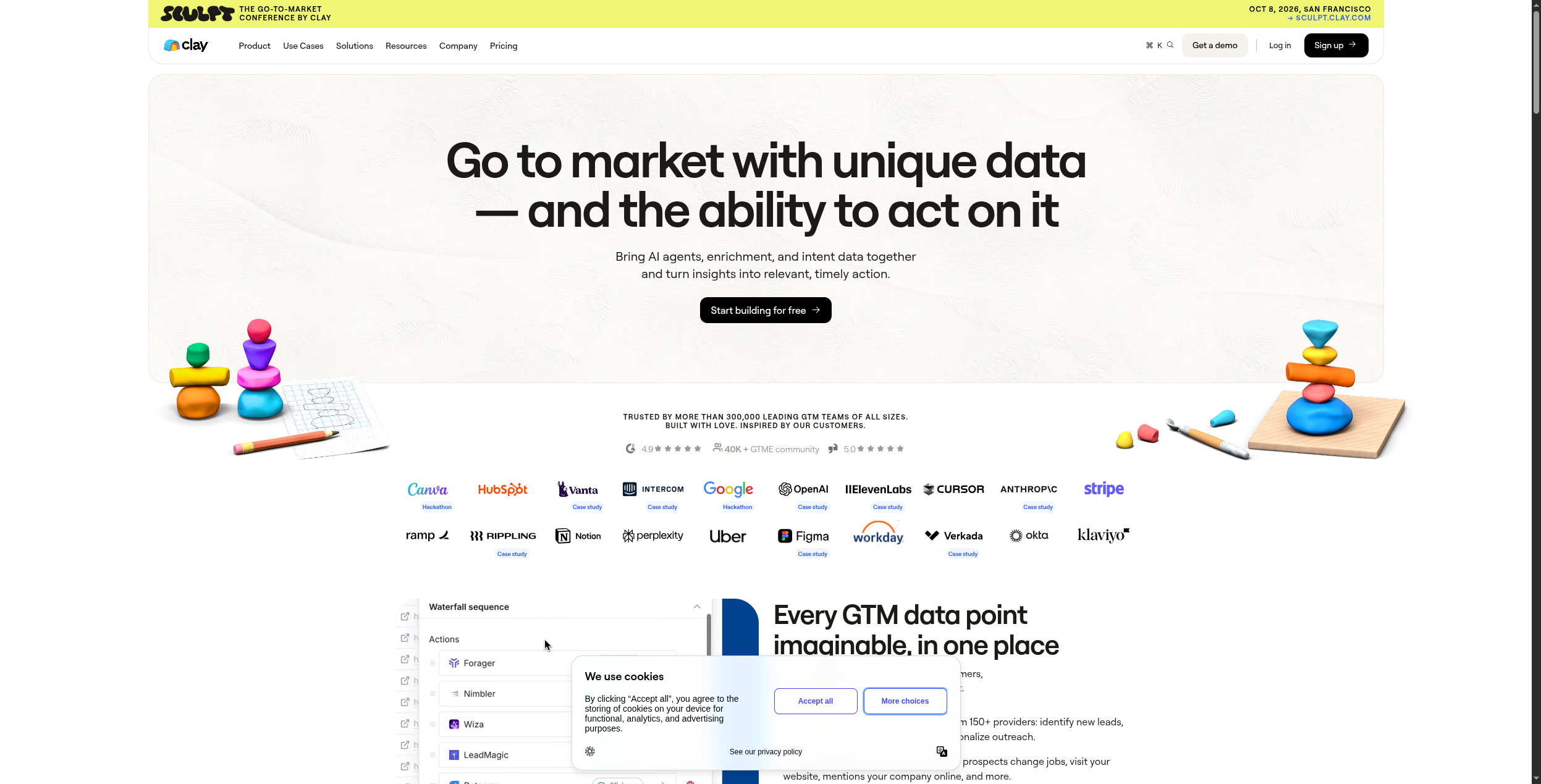
Clay is the most flexible enrichment tool on the market — a spreadsheet-like interface that connects to 75+ enrichment providers and “waterfalls” across them to find the best available data at the best price. Instead of paying for a ZoomInfo subscription and getting a ZoomInfo result even when a cheaper source has better data, Clay queries sources in priority order and stops when it finds a verified result. For a typical email enrichment waterfall, Clay might try Apollo first (low cost), then Hunter.io, then PDL, stopping at the first verified result and charging credits only for the successful source.
Clay also includes Claygent, an AI agent that can do custom research tasks — finding information that no structured database contains, like the name of a company’s head of IT security, whether a company is currently hiring data engineers, or the key pain points mentioned in their recent customer reviews. This unstructured AI research capability is increasingly what sets Clay apart from pure database tools. Clay’s conditional columns allow sophisticated logic: if revenue > $50M and tech stack includes Salesforce, pull ZoomInfo data; otherwise use Apollo.
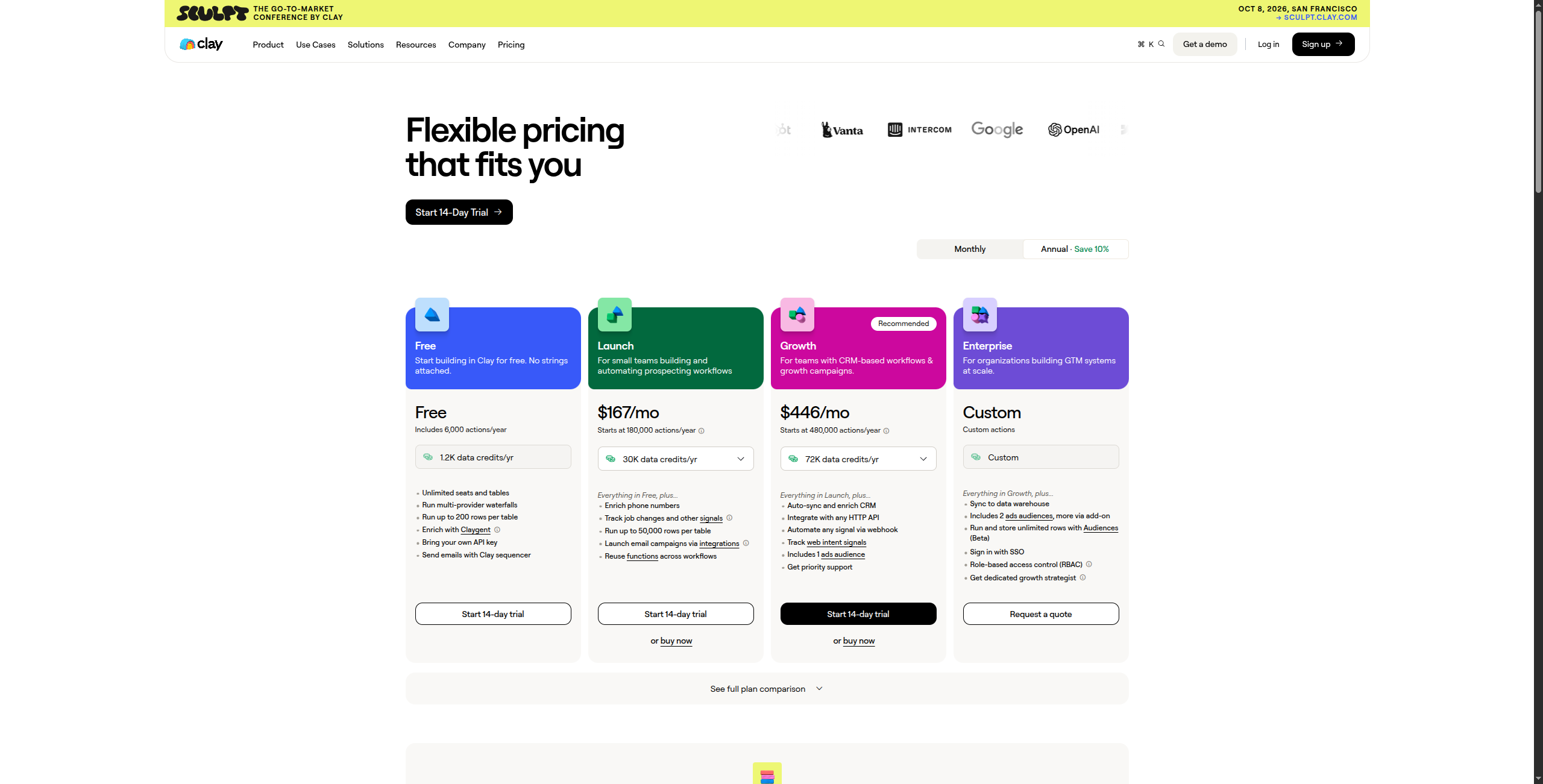
Pricing: Free tier (100 credits/month). Starter at $149/month (2,000 credits). Explorer at $349/month (10,000 credits). Pro at $800/month (50,000 credits). Enterprise custom with dedicated CSM and SLA.
Pros: Waterfall enrichment across 75+ sources achieves best overall accuracy, Claygent AI agent for unstructured custom research, powerful conditional logic and column formulas, strong Zapier and CRM integrations, credit-efficient compared to single-vendor subscriptions Cons: Credit-based pricing is complex to forecast for variable workloads, steeper learning curve than single-source tools, no built-in outreach (requires connection to Instantly or Apollo for sending)
Best for:High-performance outbound teams and growth operators who want maximum enrichment accuracy through waterfall sourcing and Claygent AI research.
5. ZoomInfo — Best for Enterprise GTM Teams
ZoomInfo is the enterprise standard for B2B contact and account intelligence. Its database is the largest in the industry, with first-party data from web forms, intent data from buyer research signals, and org charts that show reporting structures within target accounts.
ZoomInfo’s intent data (powered by Bombora) is a key differentiator — it identifies companies that are actively researching topics relevant to your solution, letting you prioritize outreach to in-market buyers. Its Sales OS platform combines prospecting, enrichment, intent signals, and CRM integration in one enterprise package.
Pros: Largest B2B database, best org chart data, strong intent signals, enterprise CRM integration, Chorus conversation intelligence included Cons: Enterprise pricing ($10,000-$30,000+/year), overkill for small teams, complex platform requires dedicated admin
Best for: Enterprise sales teams with dedicated RevOps resources and budgets to match.
6. Lusha — Best for Direct Phone Number Enrichment
Lusha specializes in finding and verifying direct phone numbers — particularly mobile numbers — which are increasingly important as email open rates decline and direct dial outreach proves more effective. Its database of 100M+ contacts covers both direct lines and mobile numbers, with verification rates above competitors for this specific data type. Lusha’s Buyer Intent feature surfaces companies actively researching solutions in your category, enabling prioritized outreach to in-market accounts rather than cold-calling an unfiltered list.
Lusha’s Chrome extension for LinkedIn is one of the most popular sales tools in the ecosystem, letting reps find contact information while browsing LinkedIn profiles without leaving the browser. The extension reveals verified email, direct dial, and mobile number directly on the LinkedIn profile page, making it the fastest path from “found on LinkedIn” to “ready to call or email.” The Lusha API allows programmatic enrichment at scale, useful for enriching incoming CRM contacts automatically.
Pricing: Free (5 phone credits, 50 email credits/month). Pro at $29/user/month (480 phone credits/year, CRM integration). Premium at $51/user/month (960 credits/year, team management, bulk enrichment). Scale custom for high-volume enterprise.
Pros: Best direct dial and mobile number coverage, excellent LinkedIn Chrome extension for real-time lookups, simple per-seat pricing, GDPR-compliant data sourcing, buyer intent signals for prioritization Cons: Primarily contact data with limited firmographic depth, weaker coverage in some geographic markets (strongest in US and Western Europe), no outreach or sequencing tools
Best for: Sales teams focused on phone-first outreach who need the best verified mobile and direct dial coverage for their target contacts.
7. Seamless.ai — Best for Real-Time Contact Search
Seamless.ai uses AI to find verified contact information in real time — searching its own database and multiple public sources simultaneously rather than returning pre-stored (and potentially stale) records. This real-time approach yields fresher data, particularly for direct dial numbers in industries with high employee turnover, like technology sales and financial services. Seamless’s AI engine continuously crawls public sources to maintain freshness, which it claims gives it an edge over static databases for recently-changed job titles and contact details.
Seamless’s unlimited plan model (flat monthly fee for unlimited searches) is attractive for high-volume prospecting teams who need predictable costs regardless of volume. The platform also includes a Writer tool for AI-generated personalized outreach messages based on prospect data, and integrates with Salesforce, HubSpot, Outreach, and SalesLoft for pushing enriched data directly to your existing tools.
Pricing: Free (50 credits). Basic at $147/month (250 credits/month). Pro at $397/month (unlimited credits, all integrations, priority support). Enterprise custom with dedicated account manager.
Pros: Real-time AI-powered contact finding for fresher data, unlimited search plans for high-volume predictability, strong Chrome extension for LinkedIn browsing, includes AI writer for personalized outreach Cons: Data quality claims less consistent than ZoomInfo or Apollo based on user reviews, UI less polished and intuitive, aggressive sales tactics reported by prospects during evaluation
Best for: High-volume prospecting teams that want an unlimited contact search model with predictable monthly costs, particularly for industries where data freshness is critical.
8. Hunter.io — Best for Email Verification
Hunter.io has one focused mission: finding and verifying professional email addresses from company domains. Type in a domain and Hunter returns all the emails it has found from that domain, with a confidence score and source for each. Its email verifier checks deliverability without sending an email — validating MX records, mailbox existence via SMTP, and catch-all server patterns to give each address a “valid,” “risky,” or “invalid” status. Hunter is frequently used as a verification layer on top of Apollo or Clay enrichment: get the email from Apollo, verify it with Hunter before sending to protect your domain reputation.
Hunter’s bulk domain search allows you to upload a CSV of company domains and receive all found emails in return — useful for market research, journalist outreach, or building initial contact lists for specific companies. The Campaign feature provides basic drip email sequencing for teams that need a simple outreach tool alongside their email finding workflow.
Pricing: Free (25 searches, 50 verifications/month). Starter at $34/month (500 searches, 1,000 verifications). Growth at $104/month (5,000 searches). Business at $349/month (50,000 searches). All plans include the bulk email finder and verifier.
Pros: Best-in-class email verification accuracy and reliability, intuitive domain search for company-wide email pattern discovery, clean well-documented API, affordable pricing with a useful free tier, widely trusted and integrated into Clay’s enrichment waterfall Cons: Email-only (no phone numbers, no firmographic or technographic data), limited to finding professional email addresses (not a full enrichment solution), email sequences feature is basic compared to dedicated outreach tools
Best for: Teams that need email verification as a standalone step or as a verification layer on top of other enrichment tools — protecting domain reputation before high-volume sends.
9. Cognism — Best for European and GDPR-Compliant Enrichment
Cognism is the top choice for B2B sales teams targeting European markets. Its database has unusually strong coverage for UK, DACH, France, and Benelux — regions where North American-centric tools like ZoomInfo have notable gaps. More importantly, Cognism takes GDPR compliance seriously: it runs a process to verify that contacts have not objected to receiving B2B communications, reducing legal risk for European outreach.
Cognism’s Diamond Data feature provides phone-verified mobile numbers — human-verified, not just algorithmically matched — which significantly reduces wasted call attempts.
Pros: Best European coverage, GDPR-compliant processes, human-verified mobile numbers, strong intent data integration Cons: Premium pricing, primarily valuable for European markets (weaker in North America/APAC), no self-serve (sales-led)
Best for: B2B sales teams targeting Europe who need GDPR-compliant data and strong UK/DACH coverage.
10. Datagma — Best for Cost-Effective Pay-Per-Result Enrichment
Datagma is a newer entrant offering a waterfall enrichment API with a pay-per-result model — you only pay when Datagma successfully finds the data you requested. This makes it significantly more cost-effective than subscription tools for teams with variable enrichment volumes or specific data gaps to fill.
Datagma covers emails, phones, LinkedIn URLs, and basic firmographics, querying multiple databases to find results not available from a single source.
Pros: Pay-per-result pricing (no wasted spend), waterfall across multiple databases, good API documentation, cost-effective for lower volumes Cons: Smaller database than established players, less brand recognition, fewer integrations than Apollo or Clearbit
Best for: Tech-forward teams that want flexible, cost-efficient enrichment via API without a monthly commitment.
Ready to grow your business?
Start your free trial today and see results within days.
How to Build an Automated Lead Enrichment Pipeline
The highest-ROI move for most sales teams isn’t choosing a single enrichment tool — it’s automating the enrichment process so it happens without human effort.
A best-practice automated enrichment pipeline works like this:
Trigger: New lead enters CRM (form fill, event scan, manual entry, inbound from ad)
Email verification: Route through Hunter.io or Apollo to verify deliverability — filter bounces before they contaminate your sending domain reputation
Contact enrichment: Query Apollo or Clearbit for job title, seniority, LinkedIn URL, company data
Phone enrichment: If phone-first outreach is part of your motion, query Lusha or Cognism for direct dial and mobile
Firmographic enrichment: Pull company size, revenue, industry, location, and tech stack from Clearbit or ZoomInfo
AI normalization: Use an AI step to standardize inconsistent job titles, resolve company name variants, flag anomalies (personal email addresses, company names that don’t match domain)
ICP scoring: Score the enriched lead against your ICP criteria automatically
CRM update: Push all enriched data back to the CRM, update lead status, and trigger the appropriate sequence
FlowHunt’s visual workflow builder makes this pipeline configurable without writing code — connecting any combination of the tools above into a single automated flow. For more on building these workflows, see Best AI Agent Builders 2026
and AI Sales Agent guide
.
Frequently asked questions
Lead enrichment is the process of appending additional data to a lead record — things like company size, industry, revenue, technology stack, verified email, direct phone number, LinkedIn profile, and recent company news. Raw leads (typically just name + company from a form fill or event scan) lack the context needed for effective personalization and qualification. Enriched leads enable personalized outreach, faster qualification, and accurate lead scoring. Teams that enrich leads report 30-50% higher response rates on outbound campaigns.
Accuracy varies significantly by provider and data type. Email verification accuracy is highest (95%+ with providers like Hunter.io and Apollo). Direct phone numbers and mobile numbers are harder — expect 70-85% accuracy for verified direct dials. Firmographic data (company size, revenue) is relatively accurate for public companies but can be 6-12 months stale for private companies. Clay's waterfall approach — querying multiple providers and taking the best result — typically achieves higher overall accuracy than any single source.
Lead enrichment specifically refers to appending data to sales lead records (contacts and companies). Data enrichment is a broader term that includes enriching any dataset — customer records, product data, operational data — with additional context from external sources. In a B2B sales context, the terms are often used interchangeably.
Pricing ranges widely. Hunter.io starts free (25 searches/month) with paid plans from $34/month. Apollo has a free tier with 50 exports/month; paid plans start at $49/month. Lusha starts at $29/seat/month. Clearbit's API pricing is usage-based starting around $99/month. ZoomInfo and Cognism are enterprise contracts typically starting at $10,000-$15,000/year. Clay uses a credit-based model starting at $149/month. Datagma offers pay-per-result pricing which is cost-effective for lower volumes.
Yes — and automating enrichment is where most teams find the biggest efficiency gains. Platforms like FlowHunt let you build enrichment workflows that trigger automatically when new leads enter your CRM, form submissions come in, or a prospect list is uploaded. The workflow queries your chosen enrichment APIs, normalizes the data, flags incomplete records for review, and pushes the enriched data back to your CRM — all without human involvement. This replaces the manual copy-paste process that wastes hours of sales ops time weekly.
Arshia is an AI Workflow Engineer at FlowHunt. With a background in computer science and a passion for AI, he specializes in creating efficient workflows that integrate AI tools into everyday tasks, enhancing productivity and creativity.
Arshia Kahani
AI Workflow Engineer
Enrich Leads Automatically with AI — Try FlowHunt Free
FlowHunt can connect to any enrichment API, automate your enrichment workflows, and push clean data directly into your CRM — no manual copy-paste.
10 Best AI Lead Generation Tools in 2026 (Ranked and Reviewed)
The best AI lead generation tools in 2026, ranked by capability, ROI, and ease of use. From AI-powered prospecting to automated outreach — find the right tool f...
10 Best Sales Automation Tools in 2026: Ranked and Reviewed
The 10 best sales automation tools in 2026, ranked by outreach capability, AI personalisation, CRM integration, and pricing. Close more deals with less manual e...
10 Best Lead Scoring Software Tools in 2026 (Ranked & Reviewed)
The 10 best lead scoring software tools in 2026 — from AI-powered predictive scoring to rule-based CRM scoring. Find the right lead scoring solution for your sa...
15 min read
Lead Scoring
Sales Tools
+2
Cookie Consent We use cookies to enhance your browsing experience and analyze our traffic. See our privacy policy.